





Sycamore Tussock Moth
Halysidota harrisii
The Sycamore Tussock Moth is a fuzzy, friendly-looking caterpillar that turns into a beautiful moth. It loves to munch on sycamore leaves and can be found in many gardens and parks.
Habitat: Forests
The Sycamore Tussock Moth is a medium-sized moth with creamy white to pale yellow wings adorned with distinctive orange-brown spots and bands. Its body is fuzzy and pale. The caterpillar is covered in dense tufts of white, black, and orange hairs, with prominent long black bristles at each end, giving it a spiky look.
Category
InsectsRarity
Common
Danger
1/5 · Very low
Snaps
2
Adult Sycamore Tussock Moths don't have mouths to eat; they live on energy stored from their caterpillar days!
If you poke a caterpillar, it might twitch and shed some irritating hairs as a warning!
The fuzzy caterpillars are called 'tussocks' because their hair clumps look like little brush piles!
These caterpillars wear long black 'eyelashes' at their front and back, making them look very fancy!
Sycamore Tussock Moth caterpillars have irritating hairs that help protect them from predators.
Adult Sycamore Tussock Moths have wing patterns that help them blend perfectly with tree bark to avoid detection.
Caterpillars can store toxins from their food, making them unpalatable to predators, signaled by their bright colors.
Caterpillars munch on tree leaves, but adult moths don't eat anything at all!
Age differences: Larvae (caterpillars) are herbivores, feeding on tree leaves, while adult moths do not feed.
Platanus occidentalis
Larvae feed on leaves.
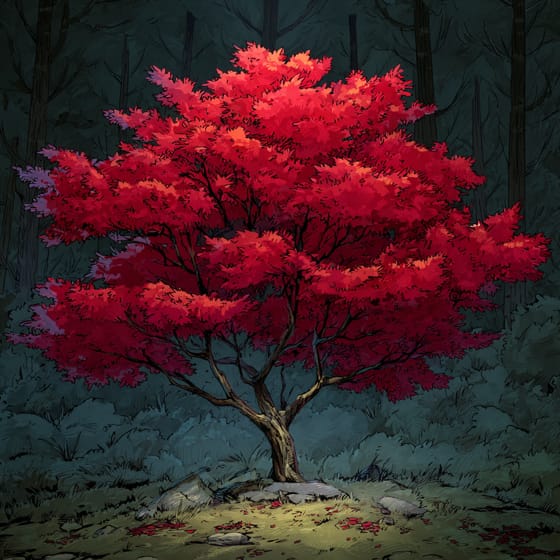
Acer rubrum
Caterpillars consume foliage.
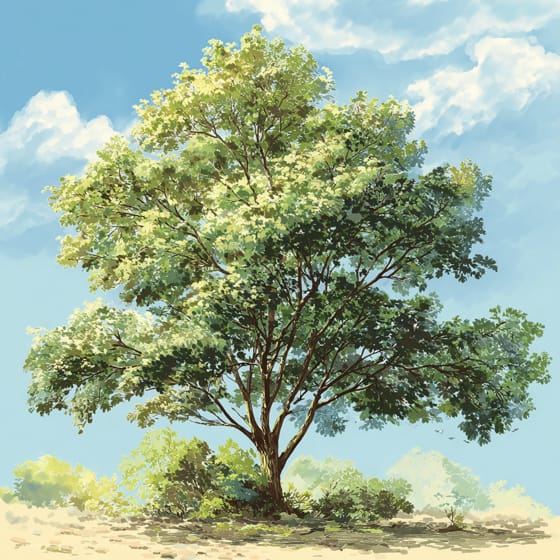
Ulmus americana
Larvae defoliate trees.
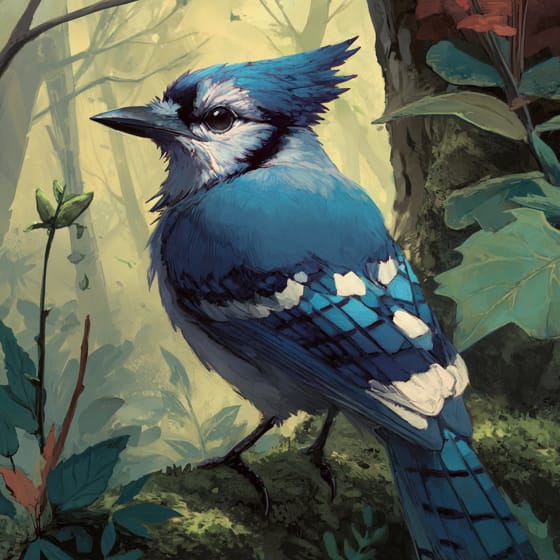
Cyanocitta cristata
Birds prey on caterpillars and pupae.
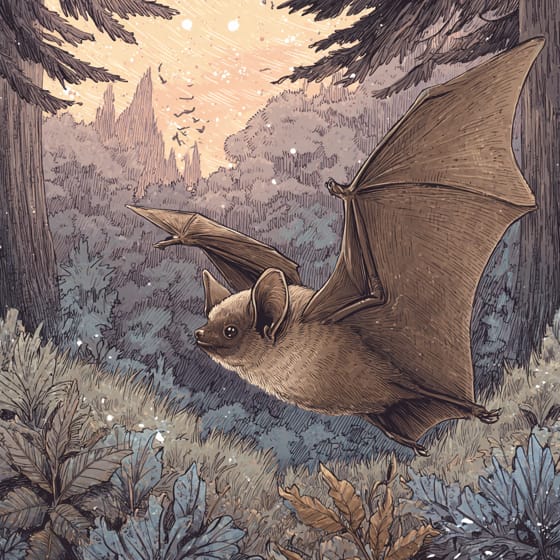
Myotis lucifugus
Bats hunt adult moths at night.
Furry describes animals possessing a dense covering of soft hair or fur.
Solitary animals live alone for most of their lives, only interacting with others for mating or parental care.
Camouflaged describes organisms that possess coloring or patterns that allow them to blend into their environment.
This trait characterizes organisms whose diet consists entirely or primarily of plant material.

Forest habitats are terrestrial environments dominated by dense tree cover, supporting a high diversity of plant and animal life.

Diurnal animals are primarily active during daylight hours, typically resting or sleeping at night.

Describes organisms that transfer pollen, enabling the fertilization and reproduction of plants.
No aliases listed yet.
Danger
1/5 · Very low
It's safe to look at these moths and caterpillars, but don't touch them without asking an adult.
The easiest way to identify Sycamore Tussock Moth is to use the Snappit nature identifier app.
35-50 mm
30-40 mm
42-49 days
Caterpillars munch on tree leaves, but adult moths don't eat anything at all!
Forests
Foraging
6
Zoom in to split clusters and explore where this object has been snapped.

Georgia, US
You might spot Gulf Fritillary, Anole, and American Beautyberry.
View guide →

Arkansas, US
You might spot Eastern Gray Squirrel and Asian Lady Beetle.
View guide →

Alabama, US
You might spot Red Buckeye, Gray Ratsnake, and Sycamore Tussock Moth.
View guide →

Ohio, US
You might spot Creek Chub, Ebony Jewelwing, and Western Blacknose Dace.
View guide →

Maryland, US
You might spot American Toad, White-Tailed Deer, and Lesser Celandine.
View guide →

Pennsylvania, US
You might spot American Robin, Kentucky Yellowwood, and Kousa Dogwood.
View guide →
Take the discovery with you
Snap it with Snappit to identify it, learn what makes it special, and add the discovery to your collection.






.jpg&width=800)



