_Colocasia_esculenta_-_Les_Martels%2C_Giroussens_Tarn.jpg&width=800)





Taro
colocasia esculenta
Taro is a big leafy plant that grows in warm, wet places. Its large, heart-shaped leaves are fun to touch and look at!
Habitat: Taro grows in marshy areas and tropical regions around the world.
The Taro has enormous, heart-shaped to sagitate leaves, often a striking green with prominent veins, and sometimes purple or dark red stems. Its velvety, water-repellent foliage gives it a unique appearance, distinct from other large-leaved plants.
Category
PlantsRarity
Common
Danger
1/5 · Very low
Snaps
3
In Hawaii, a traditional dish called poi is made from mashed taro corms.
Some taro varieties have strikingly beautiful purple or pink flesh inside!
Taro is one of the oldest cultivated plants, grown for thousands of years!
Taro roots are packed with energy, like a super-starchy vegetable.
Taro has special waxy leaves that make water bead up and roll off, keeping them dry and clean.
Taro can grow large edible corms underground to store energy and nutrients, helping it survive and regrow.
Taro has tiny calcium oxalate crystals in its raw parts that cause an itchy irritation, deterring hungry animals.
Tarophagus colocasiae
Feeds on the sap from taro leaves and stems.
Hippotion celerio
Larvae consume taro leaves, sometimes causing defoliation.

Rattus rattus
Rats can damage and eat the starchy underground corms.
Apis mellifera
Bees may visit taro flowers to collect nectar and pollen.
Social animals live in organized groups, cooperating for survival benefits such as foraging, defense, and raising offspring.
Colorful describes organisms or objects displaying a wide range of bright and distinct colors.
This trait characterizes organisms whose diet consists entirely or primarily of plant material.
Forest habitats are terrestrial environments dominated by dense tree cover, supporting a high diversity of plant and animal life.

Aquatic habitats encompass environments where organisms live predominantly in water, including oceans, rivers, lakes, and wetlands.
Danger
1/5 · Very low
Always wash your hands after touching plants.
The easiest way to identify Taro is to use the Snappit nature identifier app.
60-200 cm
50-150 cm
10-30 cm
Summer
Yes
Moderate
Perennial
Zoom in to split clusters and explore where this object has been snapped.

Hawaii, US
You might spot Koster's Curse and White-Rumped Shama.
View guide →

Georgia, US
You might spot Eastern Gray Squirrel, Domestic Cat, and American Robin.
View guide →

Hawaii, US
You might spot White-Rumped Shama, Koster's Curse, and Red Button Ginger.
View guide →

US
You might spot Sandstone, Pan, and Ling.
View guide →
Florida, US
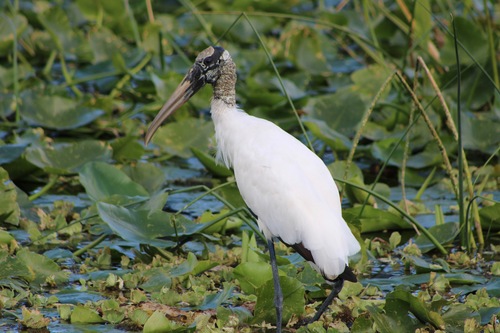
You might spot Wood Stork, Brown Anole, and Taro.
View guide →
Take the discovery with you
Snap it with Snappit to identify it, learn what makes it special, and add the discovery to your collection.








.jpg&width=800)



_001.jpg&width=800)




