





Tawny Emperor
Asterocampa clyton
The Tawny Emperor is a beautiful butterfly with orange and brown wings. It loves to flutter around flowers and can be seen in sunny spots during the summer.
Habitat: Woodlands
The Tawny Emperor has tawny orange wings with dark brown or black spots and bands, though some are mostly dark brown. Its undersides are patterned to blend perfectly with tree bark, making it unique among many flashier butterflies.
Category
InsectsRarity
Common
Danger
1/5 · Very low
Snaps
7
Its caterpillars wear a 'crown' of two horn-like spikes on their heads!
Male Tawny Emperors are fiercely territorial, guarding their favorite trees from rivals.
They spend the entire cold winter as tiny caterpillars, tucked away in dormant leaves!
This butterfly prefers feasting on rotting fruit and tree sap, ignoring sweet flower nectar!
Tawny Emperor has bark-like patterns on its undersides that help it disappear when resting on trees.
Tawny Emperor can drink sticky tree sap with its long proboscis because it provides important nutrients.
Tawny Emperor caterpillars have two unique horned spikes on their heads that help them look intimidating.
This butterfly sips tree sap and munches on decaying fruit, not flowers!
Age differences: Larvae eat leaves of hackberry trees, while adults feed on tree sap and decaying matter.

Celtis occidentalis
Larvae feed on its leaves.
Celtis laevigata
Larvae feed exclusively on its leaves.
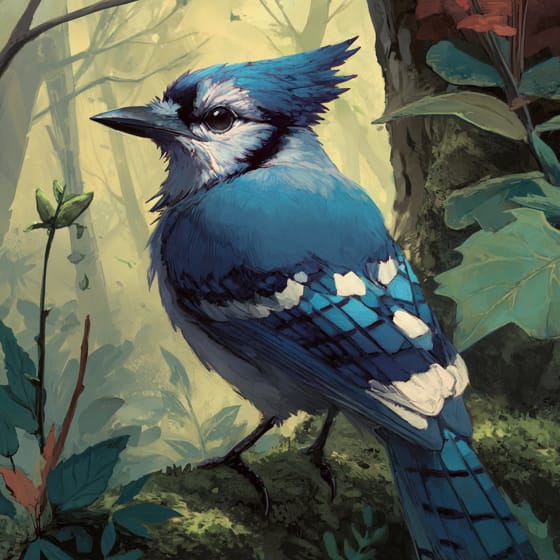
Cyanocitta cristata
Eats adult butterflies and caterpillars.
Podisus maculiventris
Preys on Tawny Emperor caterpillars.
Solitary animals live alone for most of their lives, only interacting with others for mating or parental care.
Camouflaged describes organisms that possess coloring or patterns that allow them to blend into their environment.
Colorful describes organisms or objects displaying a wide range of bright and distinct colors.
This trait characterizes organisms whose diet consists entirely or primarily of plant material.

Describes plants that are particularly attractive and beneficial to a wide range of pollinating organisms.

Forest habitats are terrestrial environments dominated by dense tree cover, supporting a high diversity of plant and animal life.

Diurnal animals are primarily active during daylight hours, typically resting or sleeping at night.

Describes organisms that transfer pollen, enabling the fertilization and reproduction of plants.
No aliases listed yet.
Danger
1/5 · Very low
Butterflies are gentle creatures, but it's best to watch them from a distance.
The easiest way to identify Tawny Emperor is to use the Snappit nature identifier app.
50-75 mm
25-35 mm
47-88 days
This butterfly sips tree sap and munches on decaying fruit, not flowers!
Woodlands
Foraging
6
Zoom in to split clusters and explore where this object has been snapped.

Arkansas, US
You might spot Eastern Gray Squirrel and Asian Lady Beetle.
View guide →

Virginia, US
You might spot Asian Lady Beetle, Spotted Lanternfly, and Christmas Fern.
View guide →

Arkansas, US
You might spot Green Treefrog, Blue-Fronted Dancer, and Question Mark.
View guide →

Oklahoma, US
You might spot Monarch, American Bumble Bee, and Gulf Fritillary.
View guide →

New Jersey, US
You might spot Green Frog, Spongy Moth, and American Toad.
View guide →

Illinois, US
You might spot Garlic Mustard, American Toad, and Dryad's Saddle.
View guide →
Take the discovery with you
Snap it with Snappit to identify it, learn what makes it special, and add the discovery to your collection.







.jpg&width=800)


