





thorny olive
Elaeagnus pungens
The thorny olive is a bushy plant with shiny leaves and small, yellow flowers. It has sharp thorns that help protect it from animals. This plant is great for gardens and can grow in many places!
Habitat: Urban areas
The thorny olive is an evergreen shrub with dense, spreading branches and sharp thorns. Its oval leaves are dark green and glossy on top, contrasting with a shimmering silvery-scaly underside. Small, fragrant, bell-shaped flowers are silvery-white, followed by red berries speckled with silver.
Category
PlantsRarity
Common
Danger
2/5 · Low
Snaps
3
Its small flowers fill the autumn air with an intense, sweet perfume!
The tart, cranberry-like berries are loved by birds, and even humans can eat them!
This plant is so tough it can survive salty sea spray near beaches!
You can rub the silvery underside of its leaves to write secret messages!
It has super sharp thorns on its branches that help defend against hungry animals trying to eat its leaves.
It can take nitrogen from the air and put it into the soil, acting like a natural fertilizer for itself.
Its leaves stay green all year long, helping it make food even when other plants have lost their leaves.
It can grow in very dry, poor soil, making it a champion at surviving harsh conditions.
Frankia alni
fixes nitrogen in its roots.
Apis mellifera
gathers nectar from sweet-smelling flowers.
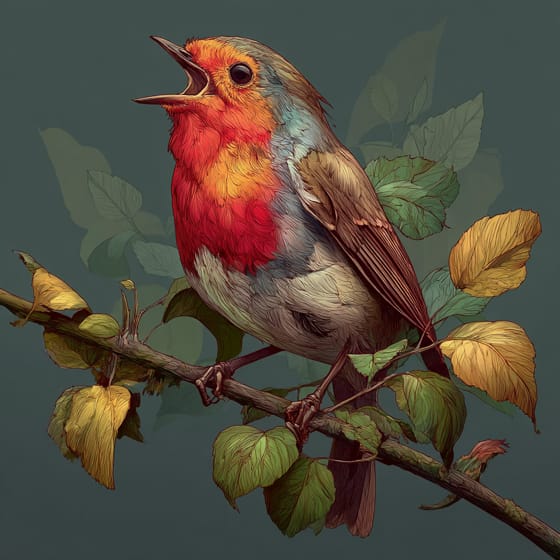
Turdus migratorius
enjoys the red berries.
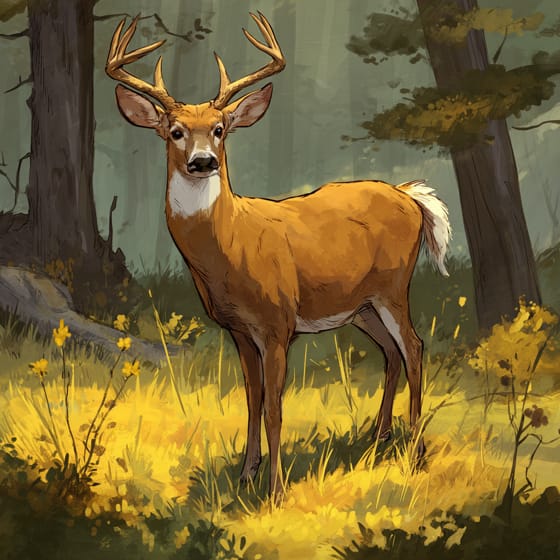
Odocoileus virginianus
browses on leaves and twigs.
Flowering plants are any plants that produce flowers as part of their reproductive cycle.
A shrub is a woody plant smaller than a tree, typically with multiple stems branching from or near the ground.
Evergreen plants retain their foliage throughout the year, never shedding all their leaves at once.
Fragrant flowers emit a pleasant aroma, often to attract pollinators or for defense.

Pertaining to plants that have stems covered with sharp, pointed projections for defense.

Drought-tolerant plants can survive and flourish in conditions with limited water availability.

Describes plants that are particularly attractive and beneficial to a wide range of pollinating organisms.

This trait characterizes organisms with an exceptionally long lifespan compared to others of their kind.

This habitat trait indicates species that can coexist with humans in urban and suburban environments, utilizing man-made structures and green spaces.
No aliases listed yet.
Danger
2/5 · Low
Be careful of the sharp thorns on this plant when exploring!
The easiest way to identify thorny olive is to use the Snappit nature identifier app.
200-400 cm
200-400 cm
0.5-1 cm
Fall
Yes
None
Perennial
Zoom in to split clusters and explore where this object has been snapped.

South Carolina, US
You might spot Brown Pelican, Boat-Tailed Grackle, and Great Egret.
View guide →

Alabama, US
You might spot Anole, Bee, and Bristle Thistle.
View guide →

Alabama, US
You might spot Anole, Bee, and Bristle Thistle.
View guide →

US
You might spot Brown Pelican, Boat-Tailed Grackle, and Great Egret.
View guide →

South Carolina, US
You might spot Butterfly Pea, Red-Tailed Hawk, and Northern Cardinal.
View guide →

Alabama, US
You might spot Anole, Bee, and Bristle Thistle.
View guide →
Take the discovery with you
Snap it with Snappit to identify it, learn what makes it special, and add the discovery to your collection.








.jpg&width=800)


_001.jpg&width=800)


