





three-square bulrush
Schoenoplectus pungens
The three-square bulrush is a tall plant that grows in wet areas like marshes and ponds. It has three-sided stems and can provide homes for many tiny creatures.
Habitat: Wetlands
The three-square bulrush has tall, sharply triangular green stems, making it distinct from many round-stemmed reeds. Its small, inconspicuous brownish flower clusters appear near the stem tips, often forming a spiky, crown-like top.
Category
PlantsRarity
Common
Danger
2/5 · Low
Snaps
Be the first to snap!
It can survive happily in both fresh and mildly salty water environments!
Its roots can sprout even after being buried under deep mud for ages!
Native Americans wove its tough stems into useful mats and sturdy baskets!
This plant plays a big role in creating new land in marshy areas!
Three-square bulrush can absorb pollutants and heavy metals from water, helping to clean its marshy environment.
Three-square bulrush has strong, creeping rhizomes that anchor it firmly, preventing soil erosion along shorelines.
Three-square bulrush has sharply triangular stems that act as a physical deterrent, helping to protect it from some hungry herbivores.
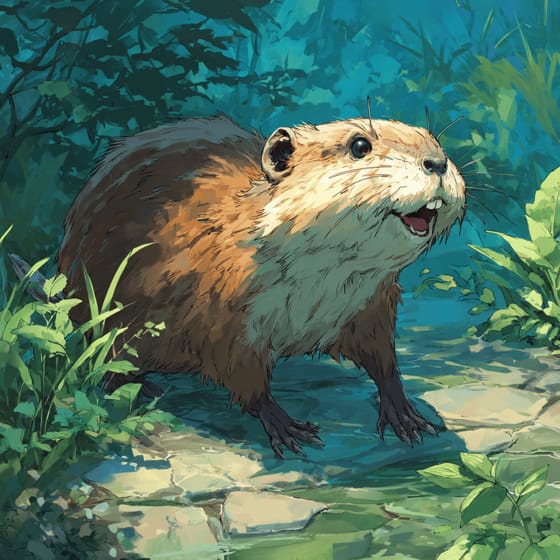
Ondatra zibethicus
Feeds on the plant's starchy rhizomes.
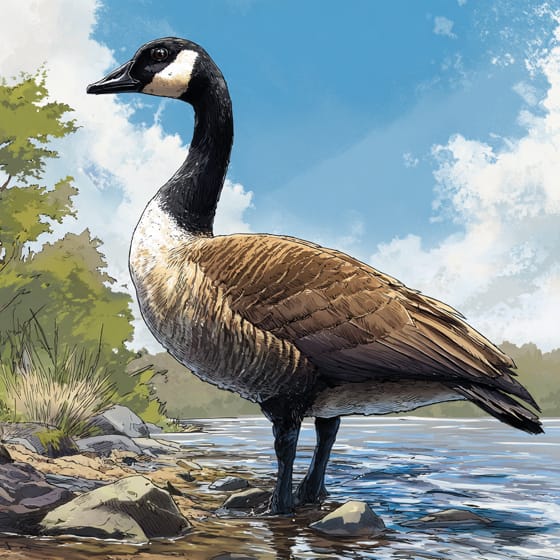
Branta canadensis
Grazes on young shoots and stems.
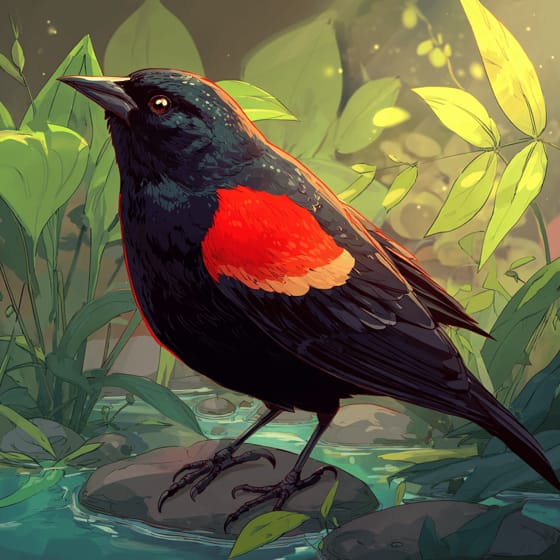
Agelaius phoeniceus
Builds nests among the dense stems.
Anas platyrhynchos
Forages for its small seeds.
Flowering plants are any plants that produce flowers as part of their reproductive cycle.
Grass-like plants are herbaceous plants that visually resemble true grasses, typically having long, narrow leaves.
Describes plants that are particularly attractive and beneficial to a wide range of pollinating organisms.
Rapid growing plants exhibit accelerated growth rates, quickly increasing in size and biomass within a short period.

Possessing sharp, pointed projections or spines on the body or surface.

This habitat trait identifies species found in wetlands, which are areas of land saturated with water, either permanently or seasonally, including marshes, swamps, and bogs.

Describes a species whose presence and role have a disproportionately large effect on its environment.

Aquatic habitats encompass environments where organisms live predominantly in water, including oceans, rivers, lakes, and wetlands.
No aliases listed yet.
Danger
2/5 · Low
Always stay on paths when exploring wetlands and watch out for sharp plants.
The easiest way to identify three-square bulrush is to use the Snappit nature identifier app.
50-200 cm
30-60 cm
Summer-fall
Yes
None
Perennial
Wind
Zoom in to split clusters and explore where this object has been snapped.
Recent snaps will appear here as new observations are added.
Take the discovery with you
Snap it with Snappit to identify it, learn what makes it special, and add the discovery to your collection.








.jpg&width=800)



_001.jpg&width=800)




