




Water caltrop
Trapa natans
Water caltrop is a unique plant that grows in water. It has interesting, nut-like fruits that look like little horns. These fruits float on the water's surface and can be fun to spot!
Habitat: Wetlands
The Water caltrop has distinctive triangular, serrated leaves that form a dense, floating rosette on the water's surface. Its unique, four-horned, woody fruit is dark brown to black and looks somewhat like a bat's head. Small, white flowers emerge from the leaf axils.
Category
PlantsRarity
Common
Danger
2/5 · Low
Snaps
2
Ancient people in Europe gathered Water caltrop fruits as a food source!
Its bizarre, horned fruit is sometimes called a 'devil pod' or 'bat nut'!
The spiky seeds can stay viable underwater for more than twelve years!
This plant can remove excess nutrients, helping to clean pond water!
Water caltrop has buoyant, air-filled leaf stalks that keep its diamond-shaped leaves afloat, ensuring they capture maximum sunlight.
Water caltrop produces incredibly tough, spiky fruits that sink to the bottom, protecting its seeds until they can sprout next season.
Water caltrop can extend long, submerged stems to anchor itself in water depths up to five meters, helping it survive varying conditions.
Anas platyrhynchos
Ducks eat the floating seeds and leaves.
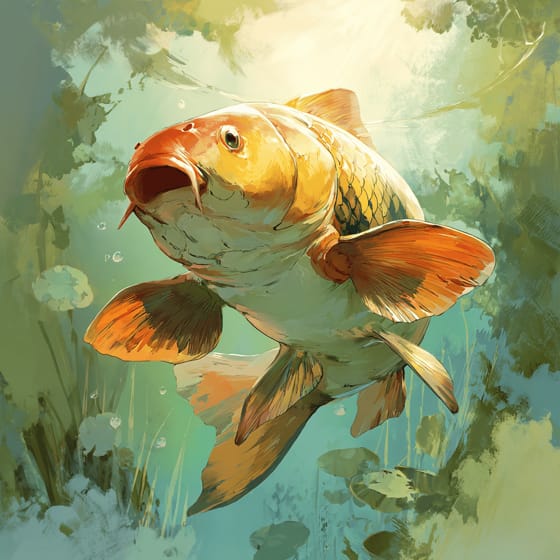
Cyprinus carpio
Fish graze on submerged stems and associated organisms.
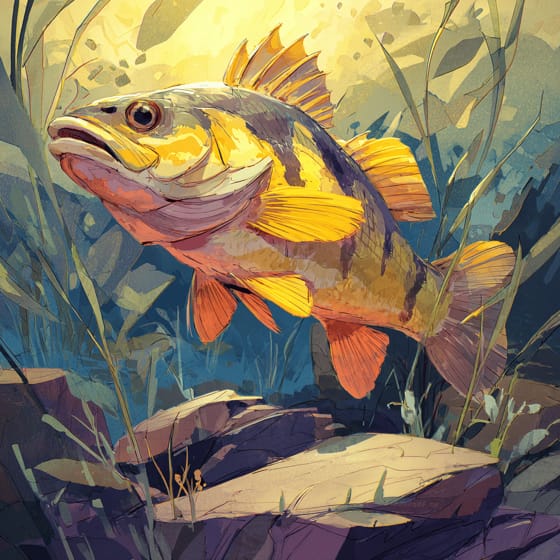
Perca flavescens
Young fish find protection within its dense leaf mats.
Ornamental plants are cultivated primarily for their aesthetic appeal, enhancing landscapes and gardens with their attractive foliage, flowers, or form.
Fruit-bearing plants produce fruits, which are the mature ovaries of flowering plants containing seeds.
Nut bearing plants produce hard-shelled fruits, commonly known as nuts, which contain a single seed and are a valuable food source.
Edible plants are those parts of a plant that are considered safe for human consumption.

This habitat trait identifies species found in wetlands, which are areas of land saturated with water, either permanently or seasonally, including marshes, swamps, and bogs.

Freshwater habitats include non-saline aquatic environments such as rivers, lakes, ponds, and wetlands, vital for numerous species.

Describes a species whose presence and role have a disproportionately large effect on its environment.

Aquatic habitats encompass environments where organisms live predominantly in water, including oceans, rivers, lakes, and wetlands.
No aliases listed yet.
Danger
2/5 · Low
Always be careful around water plants and don't touch anything sharp.
The easiest way to identify Water caltrop is to use the Snappit nature identifier app.
30-500 cm
15-30 cm
0.8-1 cm
Summer
Yes
None
Annual
Zoom in to split clusters and explore where this object has been snapped.

New Jersey, US
You might spot Brant, Laughing Gull, and Great Black-Backed Gull.
View guide →
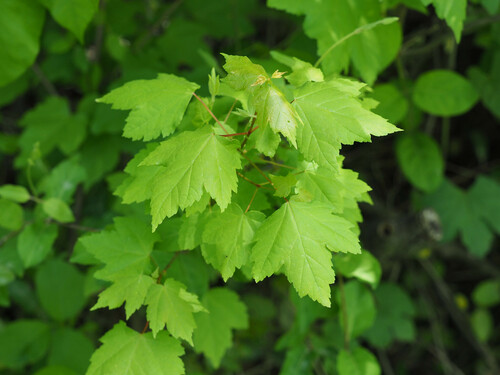
Virginia, US
You might spot Red Maple, Spotted Lanternfly, and House Sparrow.
View guide →
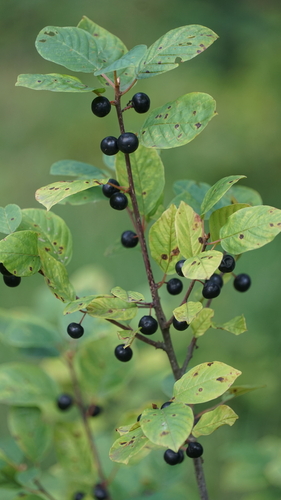
Massachusetts, US
You might spot Alder Buckthorn, Eastern White Pine, and Asian Bittersweet.
View guide →
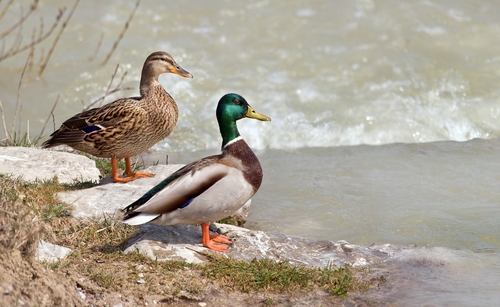
New York, US
You might spot Duck, Water Caltrop, and Spotted Lanternfly.
View guide →

New York, US
You might spot American Cancer-Root, Ring-Billed Gull, and Water Caltrop.
View guide →
Take the discovery with you
Snap it with Snappit to identify it, learn what makes it special, and add the discovery to your collection.









.jpg&width=800)



_001.jpg&width=800)



