





West Indian Manatee
Trichechus manatus
The West Indian Manatee is a gentle sea creature that loves to munch on water plants. They are big and round, and they glide gracefully through the water like a big, soft balloon.
Habitat: Coastal areas and rivers
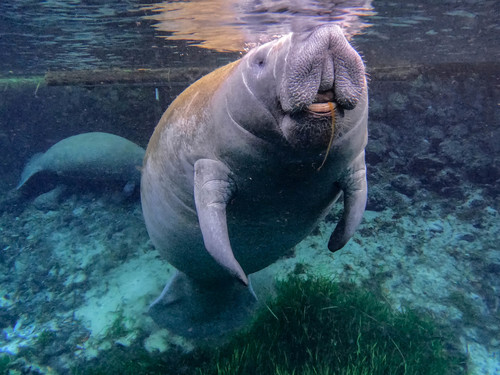
The West Indian Manatee has a large, torpedo-shaped body that is typically greyish-brown, often with green algae patches. It features two paddle-like flippers and a broad, flat tail resembling a paddle, making it distinct from dolphins or seals.
Category
MammalsRarity
Common
Danger
1/5 · Very low
Snaps
8
Manatees are closely related to elephants, sharing a distant common ancestor!
Manatees have dense bones that help them sink to graze on seagrass beds.
They can eat up to 10% of their body weight in plants every single day!
Unlike most mammals, manatees only have six neck vertebrae, limiting head turns!
West Indian Manatee can adjust its buoyancy using gas in its intestines, helping it float, sink, or stay still underwater.
West Indian Manatee has continually replaced 'marching molars' that move forward, perfect for grinding tough aquatic plants.
West Indian Manatee has stiff, sensitive bristles all over its face, helping it find and grasp plants in murky water.
West Indian Manatee has a slow metabolism that helps it survive in cooler waters for short periods during winter.
Gentle giants that munch on lots of underwater plants to keep their big bodies fueled!
Thalassia testudinum
A primary food source in its marine and estuarine habitats.
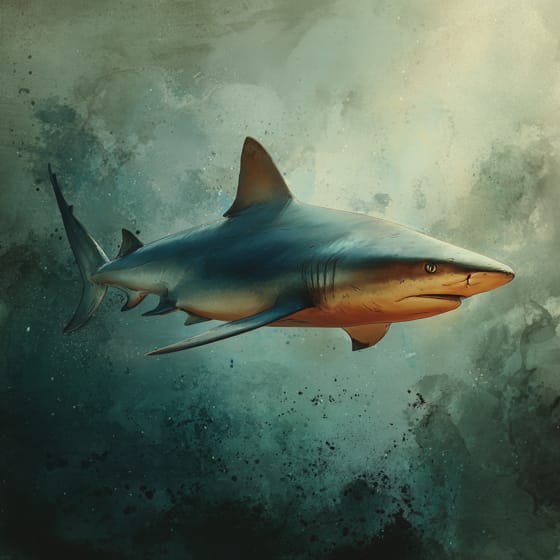
Carcharhinus leucas
Juvenile manatees can occasionally fall prey to these predators.
Eichhornia crassipes
Manatees help control this invasive plant in freshwater rivers.
Social animals live in organized groups, cooperating for survival benefits such as foraging, defense, and raising offspring.
Filter feeders obtain nutrients by straining suspended food particles and small organisms from water.
This trait characterizes organisms whose diet consists entirely or primarily of plant material.
Coastal habitats are dynamic environments located along the interface between land and sea, influenced by tides, waves, and saltwater.

Diurnal animals are primarily active during daylight hours, typically resting or sleeping at night.

Aquatic habitats encompass environments where organisms live predominantly in water, including oceans, rivers, lakes, and wetlands.

Giant describes organisms or objects of significantly larger size than average for their species or type.

Endangered status indicates a species is at a very high risk of extinction in the wild in the near future.
Danger
1/5 · Very low
Always watch from a distance and never try to touch a manatee; they are wild animals.
The easiest way to identify West Indian Manatee is to use the Snappit nature identifier app.
250-400 cm
400-600 kg
40-60 years
30 km/h
Gentle giants that munch on lots of underwater plants to keep their big bodies fueled!
Coastal areas and rivers
Foraging
Zoom in to split clusters and explore where this object has been snapped.
Feb 23, 2026
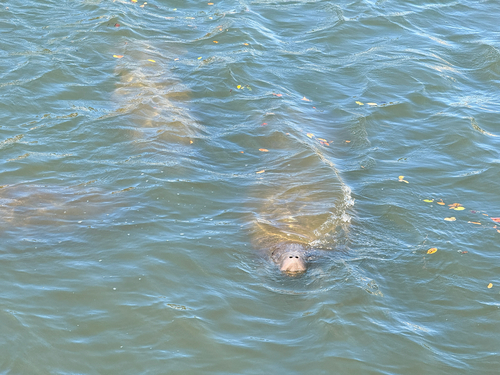
Cockroach Bay Aquatic PreservePhoto attribution
(c) WaterGoat, some rights reserved (CC BY)
License: CC BY 4.0 ↗
Image may be shown cropped inside the card frame.
Jan 21, 2019
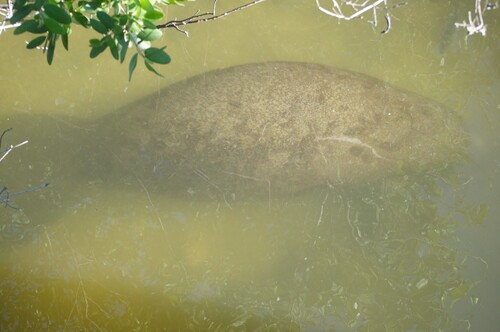
Cockroach Bay Aquatic PreservePhoto attribution
(c) Maria, some rights reserved (CC BY)
License: CC BY 4.0 ↗
Image may be shown cropped inside the card frame.

US
You might spot Laughing Gull, Brown Anole, and Green Iguana.
View guide →

Hainaut, BE
You might spot Giant Panda, Polar Bear, and Tiger.
View guide →
Florida, US
You might spot African Elephant, Bornean Orangutan, and Tiger.
View guide →
Florida, US
You might spot Jaguar, Tiger, and Reticulated Giraffe.
View guide →
Ohio, US
You might spot Gorilla, Tiger, and Snow Leopard.
View guide →
US
You might spot West Indian Manatee, Scarlet Skimmer, and Queen.
View guide →
Take the discovery with you
Snap it with Snappit to identify it, learn what makes it special, and add the discovery to your collection.






.jpg&width=800)



.JPG&width=800)


.jpg&width=800)
