





Western Conifer Seed Bug
Leptoglossus occidentalis
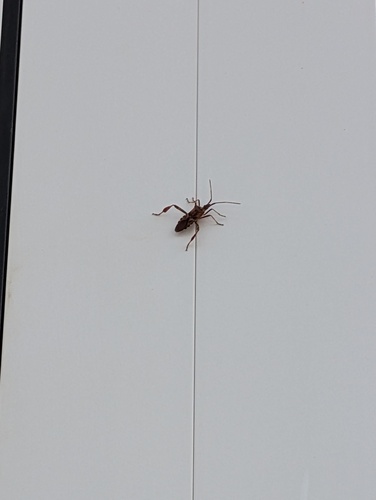
The Western Conifer Seed Bug is a friendly-looking insect that loves to munch on seeds from conifer trees. It has a long body and is usually brown with a hint of orange, making it easy to spot in the forest!
Habitat: Forests
The Western Conifer Seed Bug is a long, narrow insect, typically reddish-brown to dark brown, with a distinctive white zigzag line across its folded wings. It has flattened, leaf-like hind legs that help it blend perfectly with pine needles and cones.
Category
InsectsRarity
Common
Danger
1/5 · Very low
Snaps
16
Even though they eat seeds, they don't usually cause serious harm to healthy conifer trees.
These bugs often sneak into homes during autumn to find a warm spot for winter.
They get their scientific name, Leptoglossus, from Greek words meaning "slender tongue."
They sometimes buzz loudly when they fly, which can be quite startling!
Western Conifer Seed Bug has flattened hind legs and a body shape that helps them blend perfectly with pine needles and cones.
Western Conifer Seed Bug can release a stinky, pine-scented liquid when threatened that helps them ward off predators.
Western Conifer Seed Bug can pierce tough conifer seeds with its straw-like mouthparts that helps them drink nutritious liquids inside.
They use their straw-like mouths to slurp up the liquid insides of conifer seeds.
Age differences: Young nymphs mostly feed on developing needles and stems before moving to seeds.
Pinus ponderosa
Provides seeds for food and shelter.
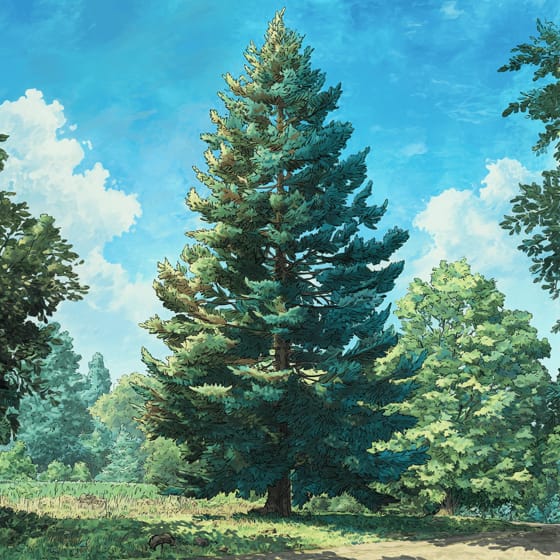
Pseudotsuga menziesii
Feeds on seeds and sap of this tree.
.jpg&width=800)
Sitta carolinensis
Birds like nuthatches will sometimes eat them.
Solitary animals live alone for most of their lives, only interacting with others for mating or parental care.
Colorful describes organisms or objects displaying a wide range of bright and distinct colors.
This trait characterizes organisms whose diet consists entirely or primarily of plant material.
Forest habitats are terrestrial environments dominated by dense tree cover, supporting a high diversity of plant and animal life.

Diurnal animals are primarily active during daylight hours, typically resting or sleeping at night.

Describes a species whose presence and role have a disproportionately large effect on its environment.

Describes organisms that transfer pollen, enabling the fertilization and reproduction of plants.
No aliases listed yet.
Danger
1/5 · Very low
These bugs are safe to observe, but it's best to watch them without touching.
The easiest way to identify Western Conifer Seed Bug is to use the Snappit nature identifier app.
16-20 mm
90-180 days
They use their straw-like mouths to slurp up the liquid insides of conifer seeds.
Forests
Foraging
6
Zoom in to split clusters and explore where this object has been snapped.
Oct 25, 2025
Longwood GardensPhoto attribution
(c) Benjamin Burgunder, some rights reserved (CC BY)
License: CC BY 4.0 ↗
Image may be shown cropped inside the card frame.

New Jersey, US
You might spot Common Mugwort and White-Tailed Deer.
View guide →

Wisconsin, US
You might spot Common Eastern Bumble Bee, Monarch, and Bee.
View guide →

Maine, US
You might spot Purple Pitcher Plant and American Toad.
View guide →
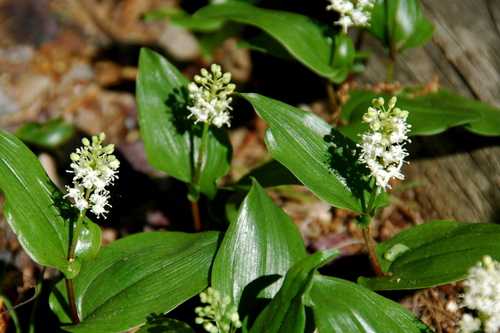
Connecticut, US
You might spot Canada Mayflower and Eastern White Pine.
View guide →

Nebraska, US
You might spot Lark Sparrow, Rock Wren, and Scarlet Globemallow.
View guide →

Wisconsin, US
You might spot African Elephant, Humboldt Penguin, and Gorilla.
View guide →
Take the discovery with you
Snap it with Snappit to identify it, learn what makes it special, and add the discovery to your collection.







.jpg&width=800)

