





Western Earwig
Forficula dentata
The Western Earwig is a small insect with long pincers on its tail. They like to hide in dark places and come out at night to look for food like leaves and tiny bugs.
Habitat: Urban areas
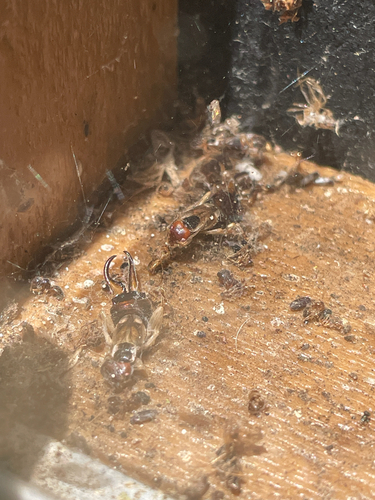
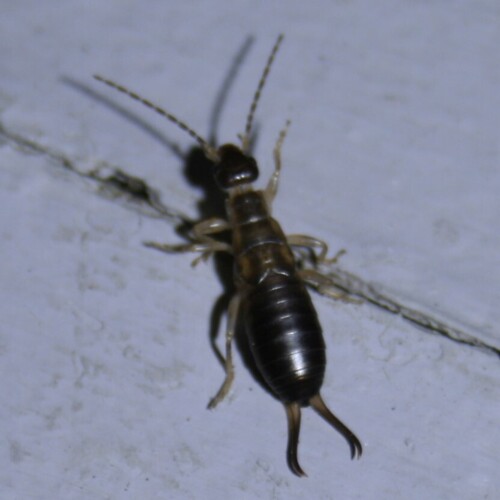
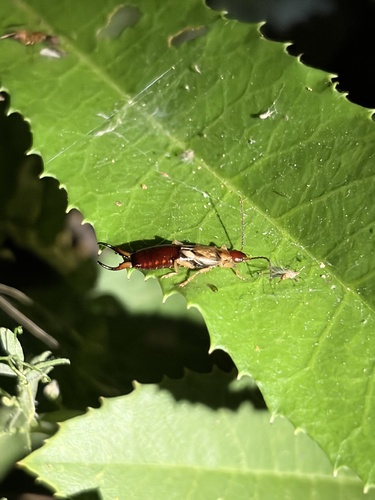
The Western Earwig is a slender, dark reddish-brown insect with a flattened body and distinctive yellowish-brown legs and antennae. Its most striking feature is a pair of prominent, forcep-like pincers, called cerci, located at the end of its abdomen.
Category
InsectsRarity
Common
Danger
1/5 · Very low
Snaps
7
Earwigs have wings that fold up like a tiny fan under their wing covers!
Some earwig mothers are super protectors, cleaning their eggs to keep them safe!
Their mighty pincers also help earwigs cleverly fold their delicate wings!
These insects often eat rotting plants and tiny bugs, helping clean up gardens!
Western Earwig can use its strong abdominal pincers to defend itself from predators and to manipulate food items with surprising precision.
Western Earwig has hidden, fan-like wings neatly folded under short wing covers that allow it to fly, though it often prefers to scuttle or crawl.
Western Earwig can meticulously care for its eggs and young nymphs, guarding them and even cleaning fungal growth to improve their survival chances.
Western Earwig has an excellent sense of touch and smell that helps it navigate and find food in the dark, making it a successful nocturnal hunter and scavenger.
A tiny omnivore, it munches on dead plants, small insects, and other decaying bits.
Aphis gossypii
helps control garden pests like aphids
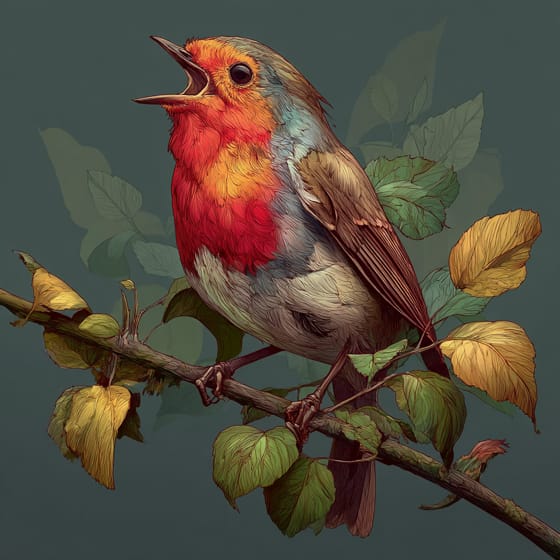
Turdus migratorius
a common backyard bird that preys on insects
Phidippus audax
a hunting spider found in gardens
Solitary animals live alone for most of their lives, only interacting with others for mating or parental care.
This trait identifies organisms whose diet includes both plant and animal matter.
Scavengers consume dead organic matter, helping to decompose carcasses and other waste in the ecosystem.
Describes organisms that break down dead organic material, recycling nutrients back into the ecosystem.

Pertaining to species that are significantly smaller than typical or average for their kind.

This habitat trait indicates species that can coexist with humans in urban and suburban environments, utilizing man-made structures and green spaces.

Nocturnal animals are primarily active during the nighttime hours, typically resting or sleeping during the day.
No aliases listed yet.
Danger
1/5 · Very low
Earwigs are not dangerous, but it's best to leave them alone and watch them from a distance.
The easiest way to identify Western Earwig is to use the Snappit nature identifier app.
20-40 mm
10-19 mm
180-365 days
A tiny omnivore, it munches on dead plants, small insects, and other decaying bits.
Urban areas
Foraging
6
Zoom in to split clusters and explore where this object has been snapped.
Jun 15, 2026
ProfessorvillePhoto attribution
no rights reserved
License: CC0 1.0 ↗
Image may be shown cropped inside the card frame.
Jun 1, 2026
James Cant RanchPhoto attribution
(c) John Clonce, some rights reserved (CC BY)
License: CC BY 4.0 ↗
Image may be shown cropped inside the card frame.
May 16, 2026
Putah Creek State Wildlife AreaPhoto attribution
(c) Seth Marshall, some rights reserved (CC BY)
License: CC BY 4.0 ↗
Image may be shown cropped inside the card frame.

California, US
You might spot American Avocet, Northern Shoveler, and Black-Necked Stilt.
View guide →
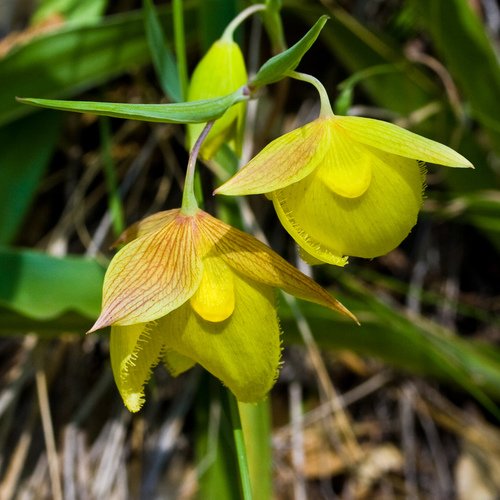
California, US
You might spot Mount Diablo Fairy-Lantern and Western Fence Lizard.
View guide →

Oregon, US
You might spot Balkan Toadflax, Big Sagebrush, and Western Juniper.
View guide →

California, US
You might spot Pacific Banana Slug and Western Lily Of The Valley.
View guide →

Oregon, US
You might spot Oregon Oak, Tree-Of-Heaven, and Garter Snake.
View guide →
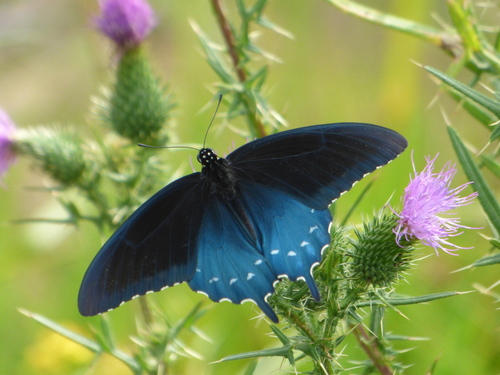
California, US
You might spot Pipevine Swallowtail and Western Fence Lizard.
View guide →
Take the discovery with you
Snap it with Snappit to identify it, learn what makes it special, and add the discovery to your collection.









.jpg&width=800)




