





western maidenhair fern
Adiantum aleuticum
The western maidenhair fern is a beautiful plant with delicate, fan-shaped leaves. It loves to grow in shady, moist places and adds a touch of green to forests and gardens.
Habitat: Forests
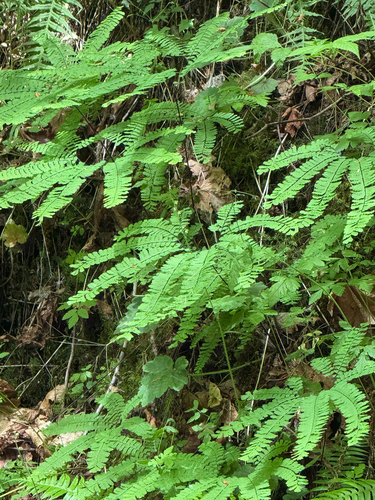
The western maidenhair fern has delicate, fan-shaped fronds that grow on shiny, dark purplish-black stems. Its vibrant green leaflets are small and almost translucent, creating a soft, lacy appearance quite different from other robust ferns.
Category
PlantsRarity
Common
Danger
1/5 · Very low
Snaps
16
Ferns reproduce using tiny dust-like spores instead of seeds from flowers!
Its shiny black stems look like fine hair, giving it the "maidenhair" name!
These amazing ferns have been growing on Earth since before the dinosaurs!
You can often find them clinging to damp cliffs and rocky stream banks!
western maidenhair fern has fronds that repel water, allowing it to stay dry and avoid fungal growth in its damp environments.
western maidenhair fern releases tiny spores from sori on its frond undersides, which helps it reproduce without needing flowers.
western maidenhair fern can spread through creeping underground rhizomes, allowing it to colonize new areas and form colonies.
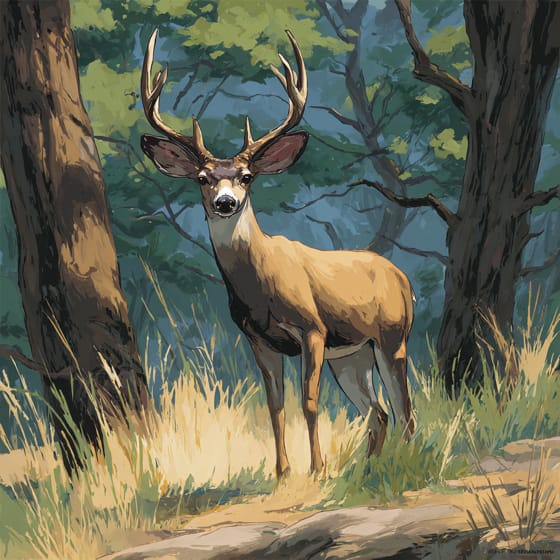
Odocoileus hemionus
Occasionally browsed by deer as minor forage.
Sorex cinereus
Provides cover for small forest mammals in dense growth.
Dicranum scoparium
Often grows alongside mosses on damp surfaces.
Deciduous plants periodically shed all their leaves, typically during autumn or dry seasons.
Ornamental plants are cultivated primarily for their aesthetic appeal, enhancing landscapes and gardens with their attractive foliage, flowers, or form.
Shade tolerant plants are adapted to grow and thrive in areas with low light levels, requiring less direct sunlight.
Evergreen plants retain their foliage throughout the year, never shedding all their leaves at once.

Spore-producing organisms reproduce by releasing small, often single-celled, reproductive units called spores.

This trait signifies organisms belonging to a very old evolutionary group with ancestors dating back millions of years.

Forest habitats are terrestrial environments dominated by dense tree cover, supporting a high diversity of plant and animal life.
No aliases listed yet.
Danger
1/5 · Very low
Always be gentle when touching plants and ask an adult before picking any leaves.
The easiest way to identify western maidenhair fern is to use the Snappit nature identifier app.
30-60 cm
30-50 cm
No
None
Perennial
Forests
Zoom in to split clusters and explore where this object has been snapped.
Jun 4, 2026
Glines Canyon DamPhoto attribution
(c) Max Miley, some rights reserved (CC BY)
License: CC BY 4.0 ↗
Image may be shown cropped inside the card frame.

California, US
You might spot Redwood, Pacific Trillium, and Evergreen Huckleberry.
View guide →

Washington, US
You might spot Pacific Tree Frog and Long-Toed Salamander.
View guide →

California, US
You might spot Pipevine Swallowtail and Western Fence Lizard.
View guide →

Oregon, US
You might spot Rough-Skinned Newt and Isabella Tiger Moth.
View guide →

Alaska, US
You might spot Bald Eagle, Salmonberry, and Ochre Sea Star.
View guide →
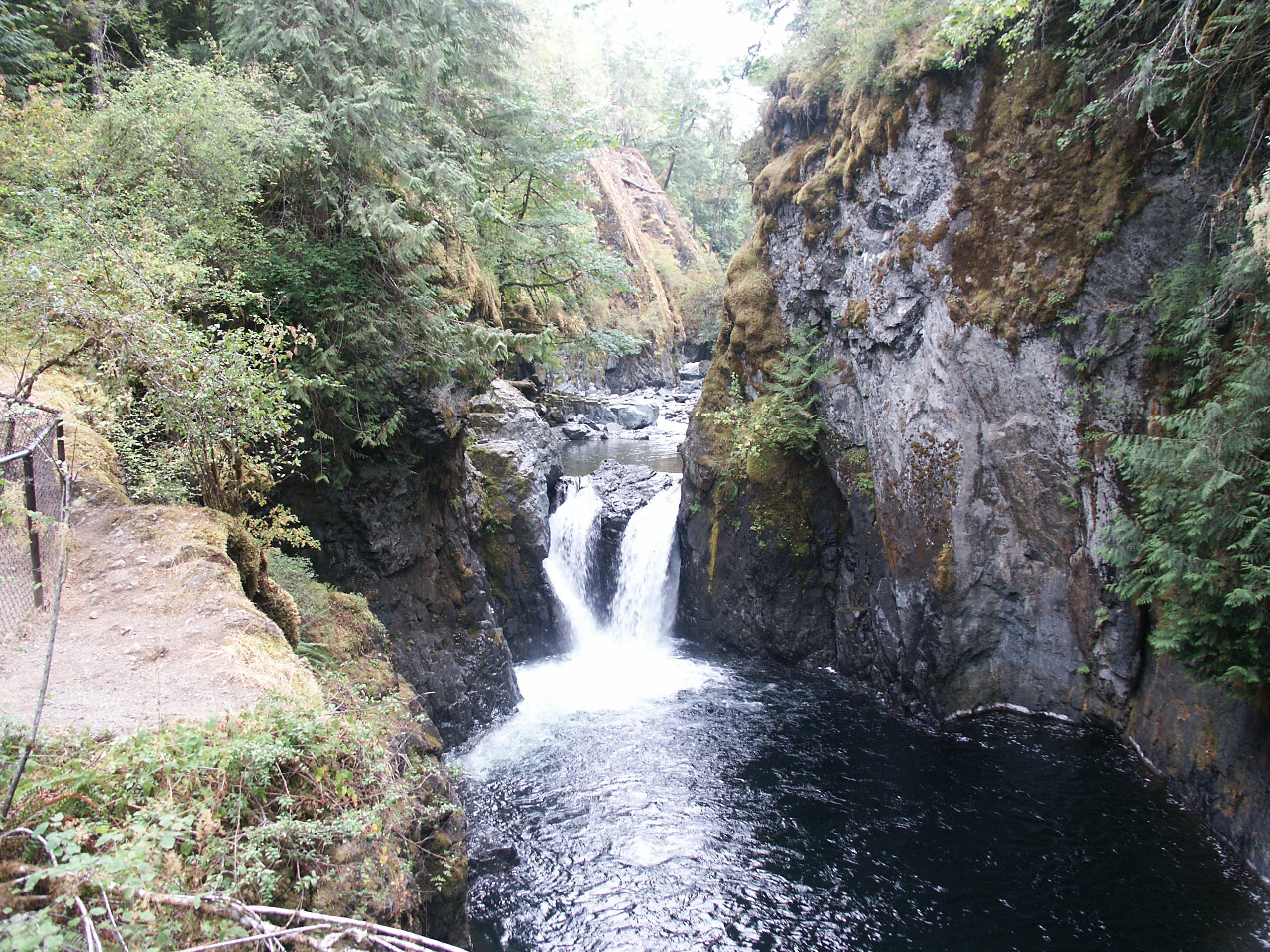
British Columbia, CA
You might spot Vanilla Leaf, Western Maidenhair Fern, and Salal.
View guide →
Take the discovery with you
Snap it with Snappit to identify it, learn what makes it special, and add the discovery to your collection.







.jpg&width=800)



_001.jpg&width=800)


