





western skunk cabbage
Lysichiton americanus
Western skunk cabbage is a unique plant that grows in wet areas. It has big, green leaves and a bright yellow flower that looks like a hood. This plant can smell a bit stinky, but it helps nature by providing food for some animals.
Habitat: Wetlands
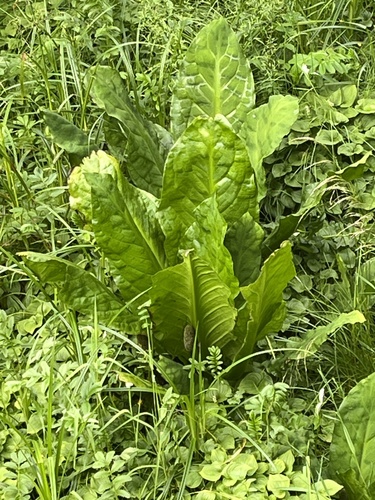
The western skunk cabbage has large, glossy green leaves that can grow over a meter long. Its unique flower features a bright yellow, hooded spathe that wraps around a central stalk, appearing before the leaves in early spring.
Category
PlantsRarity
Common
Danger
2/5 · Low
Snaps
31
Despite its name, this smelly plant is actually a wild cousin to beautiful calla lilies!
Its huge, glossy leaves can grow over a meter long, making a great hiding spot!
This plant can warm itself, making its flower up to 20°C (68°F) warmer than the air!
Wow, it's one of the first plants to bloom, often pushing right through snow!
western skunk cabbage can generate its own heat, melting surrounding snow to bloom incredibly early.
western skunk cabbage has a foul odor that lures flies and beetles, its crucial early-spring pollinators.
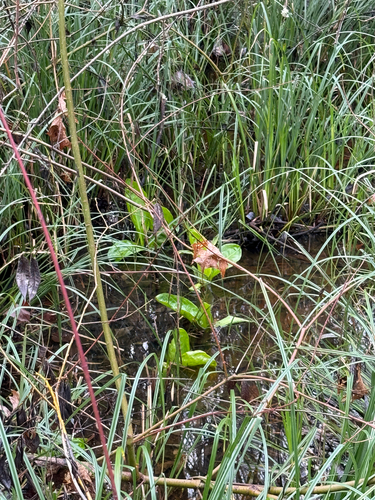
western skunk cabbage can thrive in mucky, low-oxygen wetland soils where most other plants cannot grow.
western skunk cabbage has massive leaves that unfurl to capture maximum sunlight in shady, wet habitats.
Ursus americanus
A crucial early spring food source
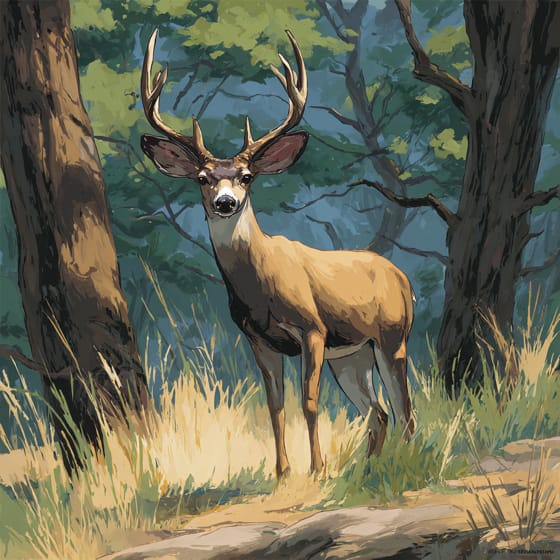
Odocoileus hemionus
Browses on the emerging leaves
Helicobia rapax
Attracted by its warm, stinky flowers

Rana aurora
Finds cool shade under its huge leaves
Aromatic plants produce and emit fragrant volatile organic compounds, often for defense or to attract pollinators.
Flowering plants are any plants that produce flowers as part of their reproductive cycle.
Spring blooming plants produce their flowers during the spring season, often signifying the end of winter and the start of new growth.
Broadleaf trees are angiosperms characterized by flat, wide leaves that are typically shed annually in temperate climates.

Edible plants are those parts of a plant that are considered safe for human consumption.

Describes plants that are particularly attractive and beneficial to a wide range of pollinating organisms.

Rapid growing plants exhibit accelerated growth rates, quickly increasing in size and biomass within a short period.

This habitat trait identifies species found in wetlands, which are areas of land saturated with water, either permanently or seasonally, including marshes, swamps, and bogs.

Describes a species whose presence and role have a disproportionately large effect on its environment.
No aliases listed yet.
Danger
2/5 · Low
Do not touch or eat any plants without asking an adult first.
The easiest way to identify western skunk cabbage is to use the Snappit nature identifier app.
30-150 cm
50-100 cm
15-40 cm
Spring
No
High
Perennial
Zoom in to split clusters and explore where this object has been snapped.
Jun 16, 2026
Saxman Totem ParkPhoto attribution
no rights reserved
License: CC0 1.0 ↗
Image may be shown cropped inside the card frame.
Mar 7, 2026
Union Bay Natural AreaPhoto attribution
(c) Tyra Sorensen, some rights reserved (CC BY)
License: CC BY 4.0 ↗
Image may be shown cropped inside the card frame.

Washington, US
You might spot Pacific Tree Frog and Long-Toed Salamander.
View guide →

US
You might spot Bald Eagle, Common Raven, and Salmonberry.
View guide →

California, US
You might spot Pipevine Swallowtail and Western Fence Lizard.
View guide →

Alaska, US
You might spot Bald Eagle, Salmonberry, and Ochre Sea Star.
View guide →

US
You might spot Variable Carpet Moth, Bald Eagle, and Red Huckleberry.
View guide →

Washington, US
You might spot Western Skunk Cabbage, Thimbleberry, and Barred Owl.
View guide →
Take the discovery with you
Snap it with Snappit to identify it, learn what makes it special, and add the discovery to your collection.








.jpg&width=800)


_001.jpg&width=800)



