





white fringetree
Chionanthus virginicus
The white fringetree is a beautiful tree that blooms with fluffy white flowers in spring. It can grow tall and provides shade, making it a lovely spot for picnics!
Habitat: Forests
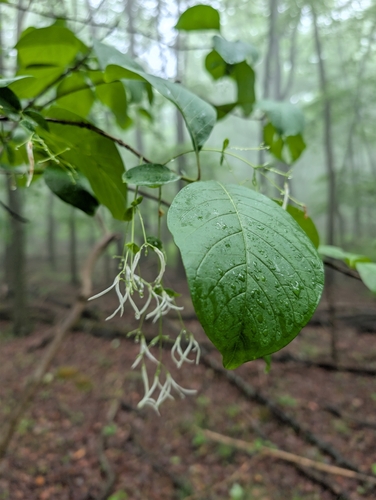
The white fringetree is a deciduous plant featuring profuse clusters of delicate, strap-like white flowers that resemble fringe or lacy snowflakes in late spring. Its leaves are dark green and oval, turning yellow in fall, and it produces small, dark blue berries.
Category
PlantsRarity
Common
Danger
1/5 · Very low
Snaps
6
Indigenous people once used its bark as medicine for stomach woes!
It's often the last tree to show its leaves in spring, taking its time!
Some fringetrees are all boys or all girls, deciding who makes seeds!
The fringetree is a cousin to olive trees, sharing a botanical family!
White fringetree has unique, feathery white flowers that attract many insects, helping it reproduce and create new seeds.
This plant produces dark blue berries that are a tasty snack for birds, which then help spread the fringetree's seeds.
The white fringetree can grow in many different types of soil, helping it survive in various natural habitats.
Apis mellifera
collects nectar and pollen
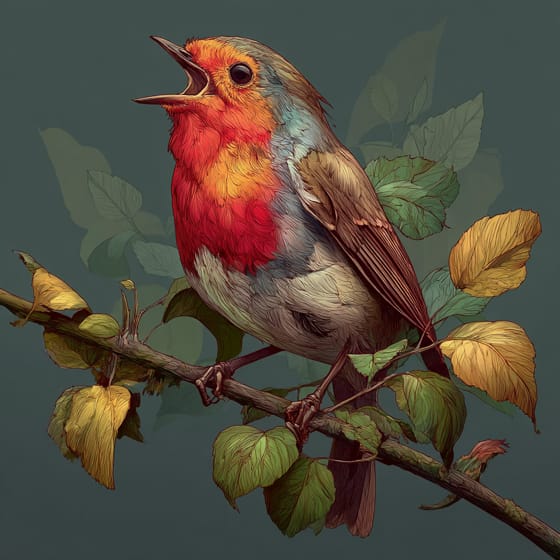
Turdus migratorius
eats its dark berries
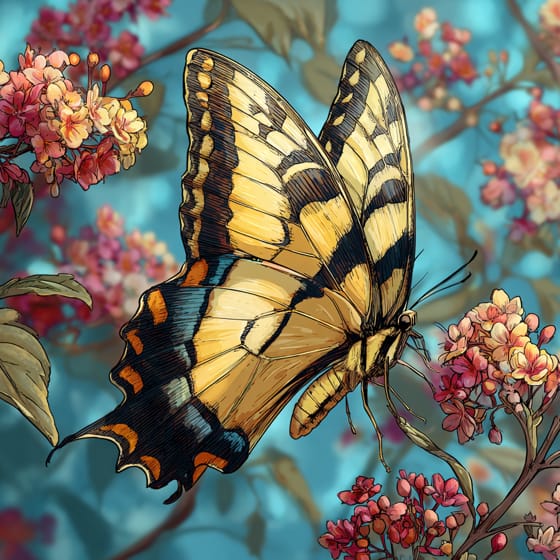
Papilio glaucus
sips nectar from its flowers
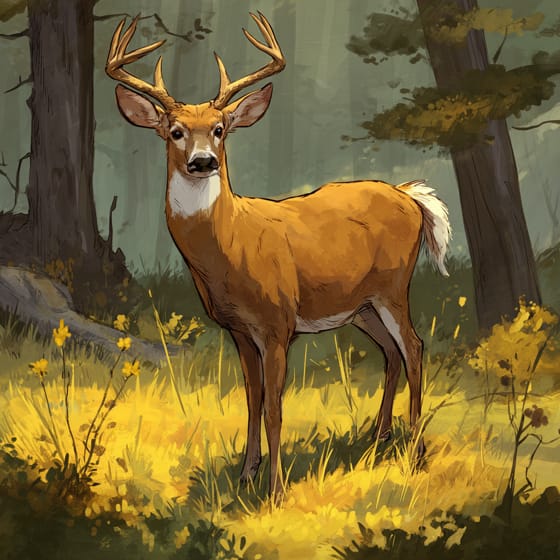
Odocoileus virginianus
occasionally browses its foliage
Deciduous plants periodically shed all their leaves, typically during autumn or dry seasons.
Flowering plants are any plants that produce flowers as part of their reproductive cycle.
Shade tolerant plants are adapted to grow and thrive in areas with low light levels, requiring less direct sunlight.
Spring blooming plants produce their flowers during the spring season, often signifying the end of winter and the start of new growth.

Broadleaf trees are angiosperms characterized by flat, wide leaves that are typically shed annually in temperate climates.

Fragrant flowers emit a pleasant aroma, often to attract pollinators or for defense.

Fruit-bearing plants produce fruits, which are the mature ovaries of flowering plants containing seeds.

Describes plants that are particularly attractive and beneficial to a wide range of pollinating organisms.

Forest habitats are terrestrial environments dominated by dense tree cover, supporting a high diversity of plant and animal life.

This trait characterizes organisms with an exceptionally long lifespan compared to others of their kind.
No aliases listed yet.
Danger
1/5 · Very low
Always stay on paths when exploring and don't touch any plants without asking an adult.
The easiest way to identify white fringetree is to use the Snappit nature identifier app.
300-600 cm
300-600 cm
2-3 cm
Late Spring to Early Summer
No
None
Perennial
Zoom in to split clusters and explore where this object has been snapped.
May 24, 2026
Catoctin FurnacePhoto attribution
(c) botanygirl, some rights reserved (CC BY)
License: CC BY 4.0 ↗
Image may be shown cropped inside the card frame.

Louisiana, US
You might spot Heavenly Bamboo, Rio Grande Copper Lily, and Ballmoss.
View guide →

Maryland, US
You might spot Common Pawpaw and Feather-Edged Petrophila.
View guide →
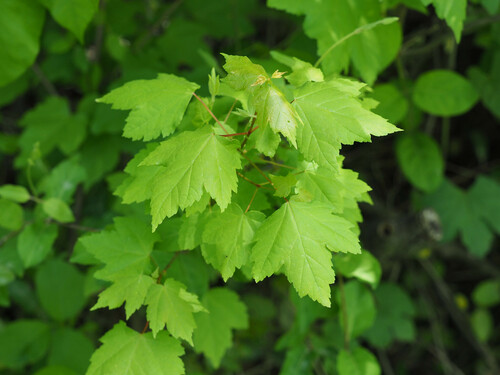
Virginia, US
You might spot Red Maple, Spotted Lanternfly, and House Sparrow.
View guide →
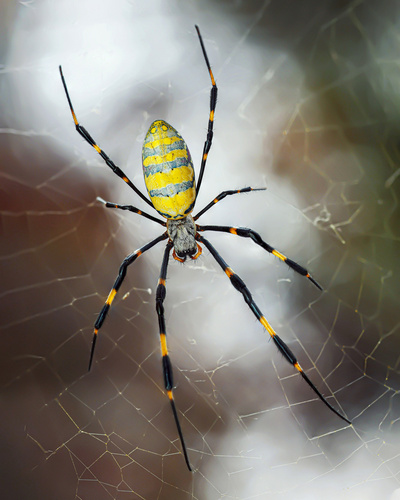
Georgia, US
You might spot Joro Spider, American Pokeweed, and Eastern Gray Squirrel.
View guide →

Maryland, US
You might spot Pink Lady's Slipper and Eastern Red-Backed Salamander.
View guide →

Virginia, US
You might spot White-Tailed Deer, Northern Cricket Frog, and Garter Snake.
View guide →
Take the discovery with you
Snap it with Snappit to identify it, learn what makes it special, and add the discovery to your collection.






.jpg&width=800)

_001.jpg&width=800)


