





Mountain Laurel

Catoctin Furnace offers a profound glimpse into America's industrial revolution and its complex social history.
Catoctin Furnace offers a profound glimpse into America's industrial revolution and its complex social history. This remarkable historic park in Maryland, part of Cunningham Falls State Park, preserves the remains of an iron-making village that played a vital role in the nation's early development. From producing Revolutionary War cannonballs to highlighting the lives of enslaved and immigrant workers, Catoctin Furnace provides a powerful and educational experience.
Visitors can explore the iconic Isabella Furnace stack, a 33-foot-high structure built in 1857, which stands as a testament to 19th-century iron production. The Museum of the Ironworker, housed in a circa 1820 stone worker's house, features compelling exhibits including forensic facial reconstructions of enslaved workers, artifacts recovered from the site, and displays on daily life and evolving transportation technology. The Collier's Log House and the restored Forgeman's House offer insights into the living conditions of the furnace workers, while interpretive trails like the African American Cemetery Interpretive Trail honor the contributions and stories of those who labored here.
A visit to Catoctin Furnace is a memorable journey through layered history, offering a unique opportunity to connect with the industrial heritage and diverse human stories that shaped America. It's a place where history comes alive through preserved structures, thoughtful exhibits, and scenic walking paths that invite reflection and understanding. Take the ultimate field guide with you: use the Snappit app to identify birds, plants, and animals on your trip.
Catoctin Furnace was established in 1774 by four brothers – James, Baker, Roger, and Thomas Johnson – who recognized the industrial potential of the rich hematite ore deposits in the Catoctin Mountains. By 1776, the furnace was operational, producing essential pig iron and ammunition, including cannonballs used by the Continental Army during the siege of Yorktown in the Revolutionary War. Thomas Johnson, one of the founders, later became Maryland's first governor. The ironworks complex grew into a self-sufficient village, reliant on a diverse workforce. Enslaved African Americans formed a significant part of the early labor force, many possessing valuable iron-making skills. Over time, as economic conditions shifted, European immigrants also joined the workforce. The furnace saw periods of modernization, including the construction of the sophisticated Isabella Furnace in 1857, which operated until 1893. After more than a century of operation, Catoctin Furnace eventually ceased production in 1903 due to unprofitability. The site was later acquired by the National Park Service and eventually transferred to the State of Maryland, becoming part of Cunningham Falls State Park, with the Catoctin Furnace Historical Society dedicated to its preservation and interpretation.
Walk the interpretive trails, visit the Museum of the Ironworker, explore the Collier's Log House, and admire the Isabella Furnace. Attend one of the many annual events and festivals hosted by the Catoctin Furnace Historical Society.
Spring: Ideal for comfortable walks on the trails and attending the Maryland Iron Festival.
Summer: Museum has extended operating days. Enjoy the Harriet Gardiner Historic Kitchen Garden. Special events like Juneteenth and "Fourth at the Furnace."
Fall: Picturesque foliage on the trails. Fallfest and "Spirits of the Furnace" events.
Winter: Museum is open weekends only. "Traditional Village Christmas" and "Museums by Candlelight" offer festive historical experiences.
The Museum of the Ironworker is ADA accessible. A portable ramp is available for access to the Collier's Log House upon request. The African American Cemetery Interpretive Trail is described as an unpaved, smooth path that is approximately half a mile long, though it is not fully ADA compliant. Many areas have unpaved trails and grass surfaces. EV charging stations are available in the furnace parking lot.
The impressive 19th-century blast furnace, a central feature of the site.
Exhibits on the daily lives of workers, forensic facial reconstructions of enslaved individuals, and artifacts.
A restored historic home providing insight into worker family life.
A self-guided path explaining the history of the diverse workforce and leading to an overlook of the historic cemetery.
Each card links to a full Explore page with photos, traits, and fun facts.
Start with the big picture, then zoom in to explore individual wildlife observations around this place.
Wear comfortable walking shoes suitable for uneven, unpaved trails and grassy areas.
Pick up a self-guided walking tour brochure from the kiosk near the Collier's Log House to ensure you don't miss key points of interest.
Check the Catoctin Furnace Historical Society website (catoctinfurnace.org) before your visit for up-to-date hours, event schedules, and any special advisories.
Consider booking a guided tour for a more in-depth understanding of the site's rich history and the lives of its workers.
Bring a camera to capture the historic furnace, restored buildings, and scenic views along the interpretive trails.
An EV charging station is available in the furnace parking lot, convenient for electric vehicle owners.
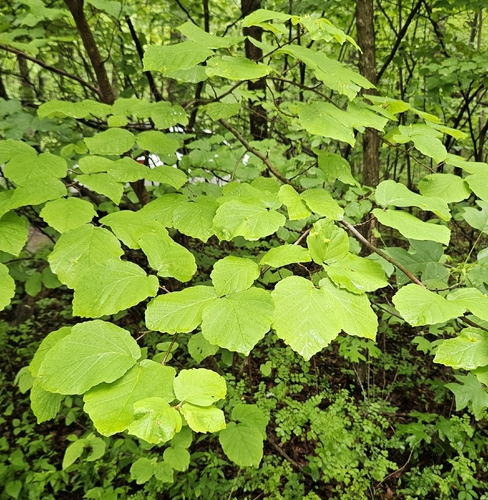
May 25, 2026
Photo attribution
(c) Christopher Evans, some rights reserved (CC BY)
License: CC BY 4.0 ↗
Image may be shown cropped inside the card frame.
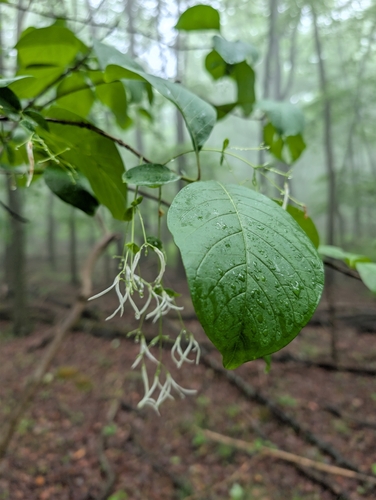
May 24, 2026
Photo attribution
(c) botanygirl, some rights reserved (CC BY)
License: CC BY 4.0 ↗
Image may be shown cropped inside the card frame.
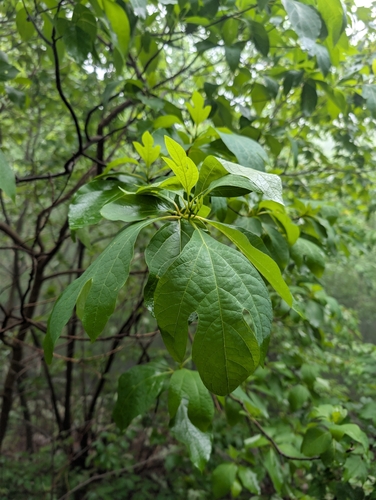
May 24, 2026
Photo attribution
(c) botanygirl, some rights reserved (CC BY)
License: CC BY 4.0 ↗
Image may be shown cropped inside the card frame.
Jun 4, 2026
Jun 4, 2026

Maryland, US
You might spot White-Tailed Deer and Eastern Gray Squirrel.
View guide →
.jpg)
District of Columbia, US
You might spot Eastern Gray Squirrel, Duck, and House Sparrow.
View guide →

Illinois, US
You might spot American Robin, Canada Goose, and House Sparrow.
View guide →

Virginia, US
You might spot Spotted Lanternfly and Northern Cardinal.
View guide →
Take the discovery with you
Identify the wildlife you spot, learn as you go, and keep a collection of the adventure.




















.jpg&width=800)

