


Witch Hazel
Hamamelis virginiana
Witch Hazels are beautiful trees with spidery flowers that bloom in late fall or winter. Their flowers have a lovely scent and come in shades of yellow, orange, or red.
Habitat: Forests
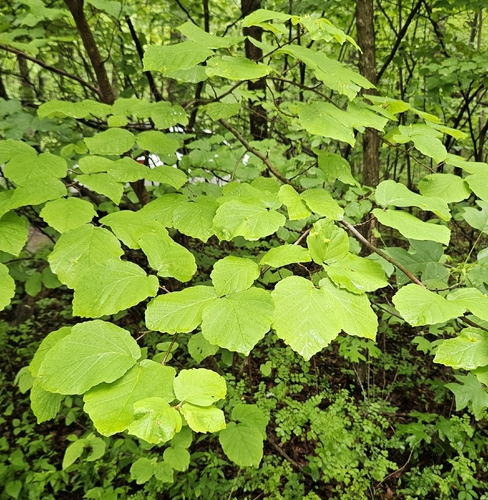
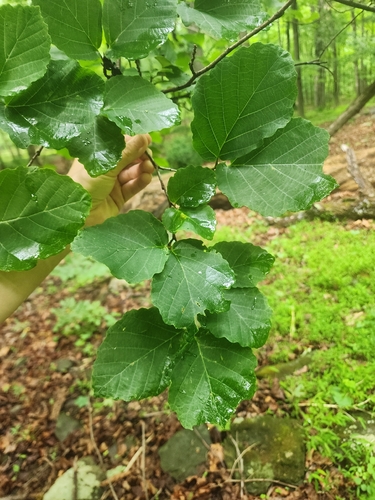
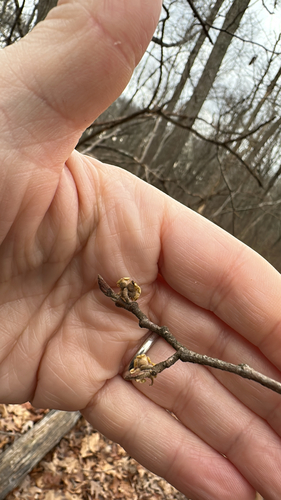
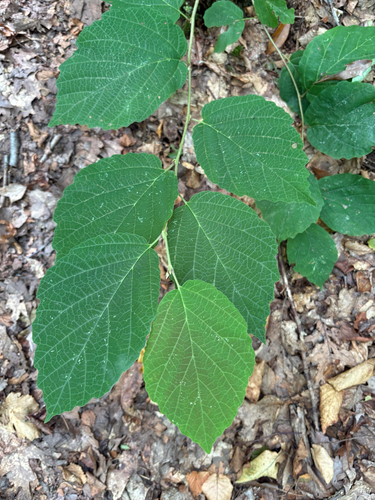
The Witch Hazel is a small tree or large shrub known for its irregular, spreading branches. Its oval, wavy-margined leaves turn a vivid yellow in fall, then unique spidery, crinkled yellow flowers bloom on bare branches in late autumn or winter.
Category
TreesRarity
Common
Danger
2/5 · Low
Snaps
37
Its name 'Witch' comes from an old English word for flexible branches, not magic!
It’s one of the very few trees to show off bright, cheerful flowers in winter snow!
Native Americans used Witch Hazel for centuries as a traditional healing remedy.
The famous astringent liquid found in many homes comes from this very plant!
Witch Hazel can flower in freezing weather, giving its pollinators rare winter nectar when others are dormant.
Witch Hazel has seed pods that pop open forcefully, launching seeds several meters away to spread.
Witch Hazel contains special compounds in its bark and leaves used to soothe skin and reduce inflammation.
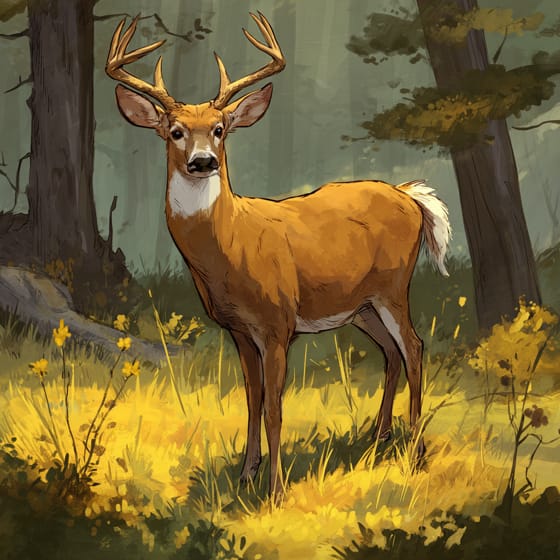
Odocoileus virginianus
browses its young twigs and leaves
Phigalia titea
its caterpillars feed on the leaves

Callosamia promethea
larvae feed on its foliage
Anopheles punctipennis
feeds on nectar in its winter flowers
Deciduous plants periodically shed all their leaves, typically during autumn or dry seasons.
Winter Interest refers to plants that provide aesthetic appeal through their foliage, bark, berries, or structure during the winter season.
A shrub is a woody plant smaller than a tree, typically with multiple stems branching from or near the ground.
Cold hardy plants are able to withstand low temperatures and freezing conditions without significant damage.

Fragrant flowers emit a pleasant aroma, often to attract pollinators or for defense.

Medicinal plants possess chemical compounds that can be used for therapeutic purposes to treat illnesses or maintain health.

Night blooming plants open their flowers after sunset, often to attract nocturnal pollinators with their scent and appearance.

Fall color refers to the seasonal change in foliage pigmentation, primarily in deciduous plants, displaying vibrant hues.

Forest habitats are terrestrial environments dominated by dense tree cover, supporting a high diversity of plant and animal life.

This trait characterizes organisms with an exceptionally long lifespan compared to others of their kind.
Danger
2/5 · Low
Enjoy the beauty of Witch Hazels from a safe distance and avoid touching or eating any part of the tree.
The easiest way to identify Witch Hazel is to use the Snappit nature identifier app.
6-10 m
4-6 m
No
15-30 cm
50-70 years
Forests
Woody capsule
Zoom in to split clusters and explore where this object has been snapped.
May 25, 2026
Catoctin FurnacePhoto attribution
(c) Christopher Evans, some rights reserved (CC BY)
License: CC BY 4.0 ↗
Image may be shown cropped inside the card frame.
May 20, 2026
Camp Misty Mount Historic DistrictPhoto attribution
(c) Erin Collins, some rights reserved (CC BY)
License: CC BY 4.0 ↗
Image may be shown cropped inside the card frame.
Jan 15, 2026
Oak Knoll Wildlife SanctuaryPhoto attribution
(c) John Baur, some rights reserved (CC BY)
License: CC BY 4.0 ↗
Image may be shown cropped inside the card frame.
Aug 24, 2025
Mattatuck State ForestPhoto attribution
(c) Timothy Watkins, some rights reserved (CC BY)
License: CC BY 4.0 ↗
Image may be shown cropped inside the card frame.

Pennsylvania, US
You might spot Mountain Laurel, Ghost Pipe, and Sweetfern.
View guide →

Connecticut, US
You might spot Bold Jumping Spider and American Tuliptree.
View guide →

Wisconsin, US
You might spot Turkey, White-Tailed Deer, and Dame's Rocket.
View guide →

New York, US
You might spot American Robin, Pond Slider, and Northern Cardinal.
View guide →

Maryland, US
You might spot American Cancer-Root and Rue Anemone.
View guide →

Connecticut, US
You might spot Green Frog and Mountain Laurel.
View guide →
Take the discovery with you
Snap it with Snappit to identify it, learn what makes it special, and add the discovery to your collection.