





Yellow-Throated Warbler
setophaga dominica
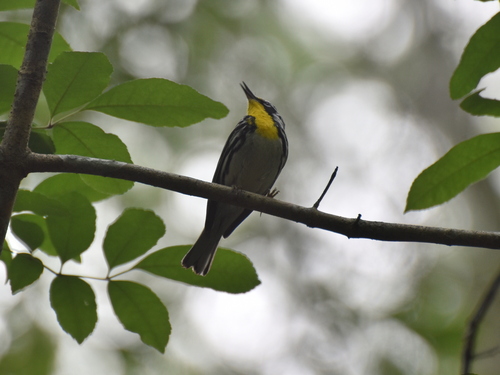
The Yellow-Throated Warbler is a small, colorful bird that loves to sing sweet songs in the trees. You can find them hopping around in forests and along riverbanks, looking for tasty insects to eat!
Habitat: Forests, woodlands, and riverbanks.
The Yellow-Throated Warbler has a vibrant yellow throat and upper breast contrasting with a black mask and blue-gray upperparts. Its white belly is streaked with black on the sides, and it displays two noticeable white wing bars, making it distinct among warblers.
Category
BirdsRarity
Common
Danger
0/5 · No known danger
Snaps
9
Some Yellow-Throated Warblers sing two different songs: one for mates, one for territory!
Their nests are high in tree forks, sometimes decorated with lichen for camouflage!
These clever birds often hunt moving head-first down tree trunks, like tiny woodpeckers!
They can sometimes be seen drinking sap from holes drilled by sapsuckers in spring!
Yellow-Throated Warblers can cling and move head-first down trees, using agile feet to hunt insects in bark crevices.
Yellow-Throated Warblers has a distinctive, clear, descending song that helps them attract mates and defend territory.
Yellow-Throated Warblers can fly thousands of kilometers, because their efficient flight helps them find warm winter habitats.
These birds mainly eat tiny insects and spiders they find on tree bark and leaves.
.jpg&width=800)
Molothrus ater
Lays eggs in warbler nests, often at the expense of warbler chicks.

Accipiter striatus
Preys on adult warblers, especially during migration.
Malacosoma americanum
Feeds on larvae of this common forest insect.
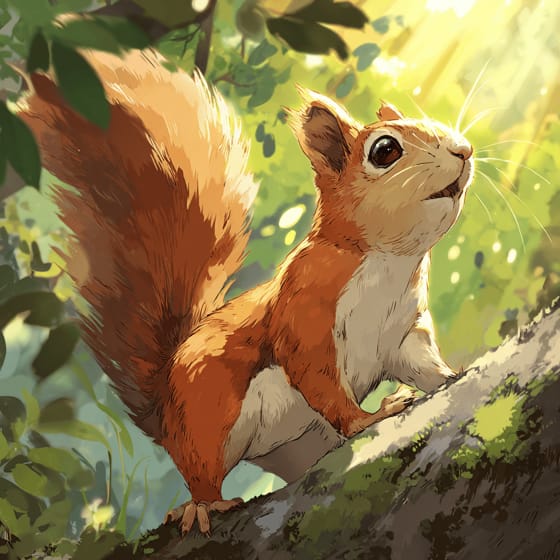
Sciurus carolinensis
May raid nests for eggs or young chicks.
Social animals live in organized groups, cooperating for survival benefits such as foraging, defense, and raising offspring.
Arboreal animals live primarily in trees, utilizing them for shelter, food, and protection from predators.
Colorful describes organisms or objects displaying a wide range of bright and distinct colors.
This trait identifies organisms whose diet consists entirely or primarily of animal tissue.

Diurnal animals are primarily active during daylight hours, typically resting or sleeping at night.
Danger
0/5 · No known danger
No special safety notes yet.
The easiest way to identify Yellow-Throated Warbler is to use the Snappit nature identifier app.
12-14 cm
20-22 cm
0.0085-0.0125 kg
5-8 years
40 km/h
These birds mainly eat tiny insects and spiders they find on tree bark and leaves.
Forests, woodlands, and riverbanks.
Zoom in to split clusters and explore where this object has been snapped.
May 9, 2026
Francis Beidler ForestPhoto attribution
(c) Ryan Watson, some rights reserved (CC BY)
License: CC BY 4.0 ↗
Image may be shown cropped inside the card frame.
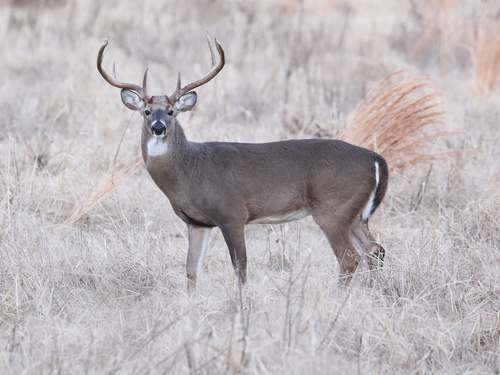
Ohio, US
You might spot White-Tailed Deer, Mayapple, and American Beech.
View guide →

Oklahoma, US
You might spot Monarch, American Bumble Bee, and Gulf Fritillary.
View guide →

New Jersey, US
You might spot Blue Corporal and Mountain Laurel.
View guide →
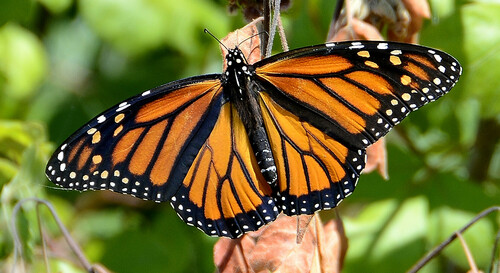
Oklahoma, US
You might spot Monarch, Duck, and American Bumble Bee.
View guide →

South Carolina, US
You might spot Northern Cottonmouth and Brown Watersnake.
View guide →

Illinois, US
You might spot Common Eastern Bumble Bee and Brown-Belted Bumble Bee.
View guide →
Take the discovery with you
Snap it with Snappit to identify it, learn what makes it special, and add the discovery to your collection.




.jpg&width=800)








