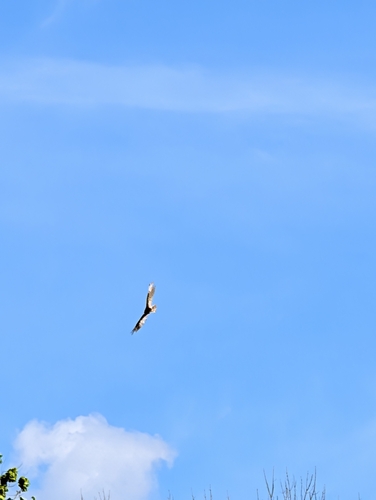
Duck

Bowman's Hill Wildflower Preserve is a living museum dedicated to Pennsylvania's native plants.
Bowman's Hill Wildflower Preserve is a living museum dedicated to Pennsylvania's native plants. This 134-acre nature preserve, botanical garden, and accredited museum offers a unique opportunity to connect with the natural world. It is a sanctuary where over 700 of Pennsylvania's 2,000 native plant species thrive in their naturalistic settings, making it a vital educational resource and a haven for wildlife.
Visitors can explore diverse habitats including woodlands, meadows, ponds, and the serene Pidcock Creek, all connected by 4.5 miles of trails. Key highlights include vibrant spring ephemerals like Virginia bluebells, trillium, and bloodroot in the woodlands, and later, cheerful meadow wildflowers such as butterfly weed and coneflowers. The Twin Ponds and Bird Blind are exceptional for birdwatching, attracting species like wood ducks, great blue herons, and kingfishers, while the Native Plant Nursery allows visitors to purchase locally propagated native species.
More than just a beautiful landscape, Bowman's Hill Wildflower Preserve serves as an active museum, fostering appreciation for native plants and their crucial role in supporting local ecosystems. It's a place for peaceful reflection, educational discovery, and a chance to experience the health and wellness benefits of engaging with green spaces. Whether you're a seasoned botanist or simply seeking a tranquil escape, the preserve offers an enriching and memorable journey through Pennsylvania's natural heritage. Don't forget to bring the Snappit nature identification app along to scan local species.
Bowman's Hill Wildflower Preserve was established in 1934 within Washington Crossing Historic Park, originally envisioned as a sanctuary for Pennsylvania native plants. The idea for the preserve originated from a chance meeting in 1933 between conservationists Mary K. Parry, then chairman of the Bucks County Federation of Women's Clubs, and W. Wilson Heinitsh of the Pennsylvania Department of Forests and Waters. They rallied support, and a gift from the Council for the Preservation of Natural Beauty made the preserve a reality, setting aside 100 acres as a living memorial to George Washington's army. During the Great Depression, the Civilian Conservation Corps (CCC) and the Works Progress Administration (WPA) played a significant role in constructing the preserve's picturesque stone bridge, roadways, trails, and a log cabin. In the 1940s, under the leadership of Dr. Edgar T. Wherry, a botany professor at the University of Pennsylvania, volunteers meticulously planted hundreds of native trees, shrubs, and wildflowers, solidifying the preserve's role as a horticultural institution. Today, it stands as the nation's only accredited museum solely dedicated to native plants.
Hike and explore the 4.5 miles of diverse trails, ranging from gentle to more rugged.
* Engage in birdwatching; over 110 species can be seen annually, with peak activity during spring and fall migration.
* Visit the Native Plant Nursery to learn about and purchase native plants.
* Attend educational programs, guided walks, or forest bathing classes.
* Enjoy a picnic at the designated Captain James Moore Pavilion area.
Spring: Expect a spectacular bloom of spring ephemerals in the woodlands.
Summer: Enjoy colorful meadow wildflowers and the activity of butterflies and other pollinators. The forest trails can be 10-15 degrees cooler.
Fall: Witness stunning fall foliage, late-season wildflowers like asters and goldenrods, and increased bird migration.
Winter: Provides a serene experience with stark natural beauty and opportunities to observe overwintering wildlife.
The main floor of the Visitor Center, restrooms, and parking lot are wheelchair accessible.
* "Green" trails, such as the Pond Trail, parts of the Parry Trail, Penn's Woods, the New Pond, and Meadow Trails, are flat or gently sloped, wider, and suitable for strollers and most wheelchairs.
* An Access Cart is available for visitors with limited mobility, offering guided tours lasting 45-60 minutes (advance reservations required).
* Service animals are permitted within specific guidelines (leashed, well-behaved, performing a task).
Particularly along the Parry Trail and Marshmarigold trail for stunning woodland wildflowers.
An excellent spot for observing various bird species like wood ducks, great blue herons, and kingfishers, and potentially deer in the late afternoon.
A unique feature where visitors can purchase native plants propagated from the preserve's own stock.
Especially the Aquetong and South Meadows, vibrant with wildflowers and pollinators in summer and fall.
Each card links to a full Explore page with photos, traits, and fun facts.
Start with the big picture, then zoom in to explore individual wildlife observations around this place.
Plan your visit for peak bloom
If you want to see spring ephemerals, aim for mid-April to late May, especially the first week of May. For summer meadow flowers, visit in June or July.
Bring binoculars
The preserve is excellent for birdwatching, particularly at the Twin Ponds and Bird Blind. Binoculars will enhance your wildlife viewing experience.
Download a trail map in advance
Cell service can be spotty in the woods, so having a downloaded map or picking one up at the Visitor Center is recommended.
Visit the Native Plant Nursery
Explore the on-site nursery, which sells plants propagated from the preserve's own stock, ensuring they are genuinely local and suited to the region.
Stay on designated trails and do not pick plants: To protect the delicate ecosystems and native plant collections, visitors are asked to remain on trails and refrain from collecting any plant material.
Consider free admission days
The preserve offers free admission on the first Friday of every month, as well as on Earth Day, Pennsylvania Native Species Day, and National Paw Paw Day.
Jun 7, 2026
Photo attribution
(c) Fives, some rights reserved (CC BY)
License: CC BY 4.0 ↗
Image may be shown cropped inside the card frame.
Jun 6, 2026
Jun 6, 2026
Jun 6, 2026
Jun 6, 2026

Maryland, US
You might spot White-Tailed Deer and Eastern Gray Squirrel.
View guide →
.jpg)
District of Columbia, US
You might spot Eastern Gray Squirrel, Duck, and House Sparrow.
View guide →

Illinois, US
You might spot American Robin, Canada Goose, and House Sparrow.
View guide →

Virginia, US
You might spot Spotted Lanternfly and Northern Cardinal.
View guide →
Take the discovery with you
Identify the wildlife you spot, learn as you go, and keep a collection of the adventure.