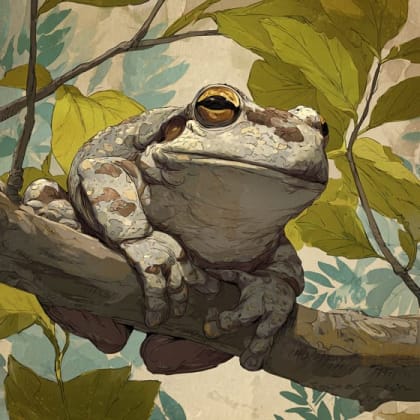
American Toad

Step back in time within Newtown Borough Historic District, a beautifully preserved window into New England's rich history.
Step back in time within Newtown Borough Historic District, a beautifully preserved window into New England's rich history. This enchanting 100-acre district in Newtown, Connecticut, is a living testament to centuries of American heritage, inviting visitors to explore its architectural treasures and historical landmarks. As you stroll along its tree-lined streets, you'll discover a harmonious blend of styles, from stately Colonial and Federal homes to intricate Italianate and Victorian structures, all contributing to its undeniable small-town charm.
The district boasts a remarkable collection of over 200 contributing buildings, each telling a part of Newtown's story. Key highlights include the Matthew Curtiss House, a circa 1750 saltbox home now serving as a historical society museum, and the iconic Edmond Town Hall, a grand Colonial Revival structure built in 1930 that remains a vibrant community hub. The Caleb Baldwin Tavern, dating back to 1763, holds Revolutionary War significance as a stop for French troops under General Rochambeau. Don't miss Ram's Pasture, a picturesque common meadow that once served as grazing land and features a charming small pond and the Elizabeth Hawley Memorial Arch Bridge.
Visiting the Newtown Borough Historic District offers a unique opportunity to immerse yourself in a bygone era, surrounded by architecture that has gracefully withstood the test of time. It's a place where history isn't just displayed, but felt, providing a tranquil and educational escape. Whether you're a history enthusiast, an architecture admirer, or simply seeking a peaceful and scenic walk, this district promises a memorable experience, showcasing the enduring beauty and community spirit of a classic Connecticut town. Planning to visit? Download the Snappit app to identify the wildlife you spot in real-time.
The history of Newtown Borough Historic District traces back to the early 18th century when English colonists began settling the area around 1708. The town was formally incorporated in 1711, with a "Town Plat" established in 1709, meticulously planning its roads and properties, including a wide Main Street and 4-acre home lots. The Ram's Pasture was designated as common land, used for grazing livestock by the community's early farmers. During the Revolutionary War, Newtown was notable as a stronghold of Tory sentiment, yet it also played a role in the conflict, serving as an encampment site for French General Rochambeau and his troops in 1781 during their march to Yorktown. The district gained national recognition when it was listed on the National Register of Historic Places in 1996, encompassing approximately 225 contributing buildings that reflect the town's evolution. The early 20th century saw significant philanthropic contributions from Mary Elizabeth Hawley, who funded essential public amenities like the town hall and library, further shaping the district's architectural and community landscape. Today, the district continues to celebrate its rich past, with buildings showcasing a range of styles from Colonial and Federal to Victorian and Colonial Revival, demonstrating a seamless blend of historical preservation and contemporary life.
Engage in a self-guided walking tour, consult with the Newtown Historical Society for more detailed information, and enjoy the ambiance of a classic New England town. Many significant buildings are well-preserved and offer excellent photography subjects.
Fall brings stunning foliage. Local historical societies or town calendars may list special events, such as historical re-enactments or holiday tours, that enhance a visit during specific seasons.
The district is largely pedestrian-friendly with sidewalks along Main Street and broad green areas. Public parking is available in designated lots. While most of the district is accessible by foot, visitors with mobility concerns should be aware that some older buildings may have limited access.
Explore this 1750 saltbox-style home, now a museum operated by the Newtown Historical Society, offering insights into 18th-century life.
Admire the grand Colonial Revival architecture of this 1930 landmark, which still hosts community events and movies.
Visit this circa 1763 tavern, a site with Revolutionary War history, where French troops once stopped.
Stroll through this historic common meadow, featuring a small pond and the Elizabeth Hawley Memorial Arch Bridge, offering scenic views and photo opportunities.
Each card links to a full Explore page with photos, traits, and fun facts.
Start with the big picture, then zoom in to explore individual wildlife observations around this place.
Wear comfortable walking shoes, as the best way to experience the district is on foot.
Bring a camera to capture the charming historic architecture and scenic views, particularly around Ram's Pasture.
Visit the Newtown Historical Society (located in the Matthew Curtiss House) for maps, additional information, and potential guided tours.
Look for informational plaques or markers on buildings to learn more about their individual histories.
Consider visiting during the off-peak hours on weekdays for a more serene experience.
Check local event listings for any seasonal festivals or historical reenactments that might be taking place during your visit.
Jun 6, 2026
Photo attribution
(c) Matthew Rozanoff, some rights reserved (CC BY)
License: CC BY 4.0 ↗
Image may be shown cropped inside the card frame.
Jun 7, 2026
Jun 7, 2026
Jun 6, 2026
Jun 6, 2026

Maryland, US
You might spot White-Tailed Deer and Eastern Gray Squirrel.
View guide →
.jpg)
District of Columbia, US
You might spot Eastern Gray Squirrel, Duck, and House Sparrow.
View guide →

Illinois, US
You might spot American Robin, Canada Goose, and House Sparrow.
View guide →

Virginia, US
You might spot Spotted Lanternfly and Northern Cardinal.
View guide →
Take the discovery with you
Identify the wildlife you spot, learn as you go, and keep a collection of the adventure.