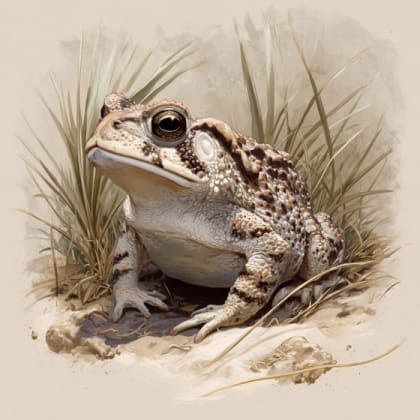
Diamondback Terrapin

The Northford Center Historic District in North Branford, Connecticut, offers a captivating journey through centuries of American history.
The Northford Center Historic District in North Branford, Connecticut, offers a captivating journey through centuries of American history. This linear district, primarily stretching along Middletown Avenue (Route 17) and parts of Old Post Road, showcases a rich tapestry of architectural styles from the early 18th to the early 20th century. With 85 contributing buildings out of 106 resources, it stands as a testament to the evolution of a colonial farming settlement into a thriving industrial village.
Visitors can explore a diverse collection of structures, including well-preserved examples of Colonial, Federal, Greek Revival, Gothic Revival, and Colonial Revival styles. Key highlights include the Gothic Revival Northford Congregational Church, designed by the prominent 19th-century Connecticut architect Henry Austin, and the Fourth District School, a historic schoolhouse. The district also features numerous pre-Civil War houses, with many dating back to the 1700s and 1800s, offering a glimpse into the daily lives of early American settlers and industrialists.
The Northford Center Historic District is a living museum, perfect for those interested in American architectural heritage, local history, and the transformation of rural communities. Its serene rural setting, coupled with the architectural integrity of its buildings, makes it a memorable destination for a leisurely stroll and an educational experience. It provides a unique opportunity to connect with the past and appreciate the enduring legacy of Connecticut's early inhabitants. Explore the grounds like a pro—download the Snappit app to instantly identify animals and plants.
The Northford Center Historic District's roots trace back to the early 18th century when it was settled as part of Branford, which itself was part of the New Haven Colony. The village center began to form around a colonial meeting house established shortly after Northford was granted its own Congregational parish in 1745. Initially a farming community, the district played a role in serving travelers along the old post road, with one of its oldest surviving buildings being a tavern built in 1776. In the 19th century, Northford transformed into a rural industrial village, largely influenced by the prominent Maltby and Fowler families. These families were instrumental in establishing industries such as the manufacture of pins, screws, and other fasteners. This period of industrial growth contributed to the district's architectural diversity, with buildings reflecting styles from the 18th to the early 20th century. The Northford Center Historic District was officially listed on the National Register of Historic Places in 2002.
Take a self-guided walking tour to admire the diverse architectural styles and learn about the historical significance of each building.
* Photograph the unique historical structures.
* Read any interpretive signage that may be present to deepen your understanding of the district's history.
Spring/Summer: Ideal for walking and enjoying the natural beauty of the rural setting.
Fall: Spectacular fall foliage enhances the charm of the historic buildings.
Winter: May offer a quiet, picturesque experience, though some paths might be snowy.
As a historic district with public roads and sidewalks, it is generally accessible for walking. However, specific accessibility features for individual historic buildings are not detailed in the provided information. Visitors with mobility concerns should be aware that some older properties might have steps or uneven terrain. The Town of North Branford is committed to website accessibility, which suggests a general awareness of accessibility needs.
A striking Gothic Revival edifice designed by Henry Austin.
The earliest building in the district, a well-preserved saltbox colonial.
One of the oldest surviving taverns in the district.
A historic schoolhouse offering insight into early education.
Each card links to a full Explore page with photos, traits, and fun facts.
Start with the big picture, then zoom in to explore individual wildlife observations around this place.
Wear comfortable shoes, as exploring the district involves walking along streets and potentially uneven sidewalks.
Bring a camera to capture the historic architecture and charming rural scenery.
Consider researching specific buildings beforehand to enhance your self-guided tour experience.
Look for any local visitor information or historical society resources that might offer maps or additional details.
If visiting in warmer months, bring water and sun protection.
The district is primarily linear, following Middletown Avenue and Old Post Road, so planning a route to see all highlights is advisable.
Jun 5, 2026
May 31, 2026
May 31, 2026
May 28, 2026
May 25, 2026

Maryland, US
You might spot White-Tailed Deer and Eastern Gray Squirrel.
View guide →
.jpg)
District of Columbia, US
You might spot Eastern Gray Squirrel, Duck, and House Sparrow.
View guide →

Illinois, US
You might spot American Robin, Canada Goose, and House Sparrow.
View guide →

Virginia, US
You might spot Spotted Lanternfly and Northern Cardinal.
View guide →
Take the discovery with you
Identify the wildlife you spot, learn as you go, and keep a collection of the adventure.