





California sagebrush
Artemisia californica
California sagebrush is a bushy plant that grows in dry places. It has soft, gray-green leaves and gives off a lovely smell, especially when you touch it!
Habitat: Coastal areas
The California sagebrush is a woody shrub with distinctive silvery-green, feathery leaves that are finely divided. Its small, dull yellow flowers bloom in delicate clusters, contrasting with its overall soft, grey-green appearance that helps it blend into arid landscapes.
Category
PlantsRarity
Common
Danger
1/5 · Very low
Snaps
6
Ancient people brewed its leaves into teas to help with coughs and colds.
It's often called "cowboy cologne" because of its fresh, strong smell!
Its leaves release a minty, herbal scent when crushed, like an instant air freshener!
This plant is a master of camouflage, blending perfectly with dusty, dry hillsides.
California sagebrush can drop some leaves during dry spells, saving precious water to survive long periods without rain.
California sagebrush has a strong, pungent scent that helps defend its leaves from being eaten by many hungry animals.
California sagebrush can quickly resprout from its base after a wildfire, helping the ecosystem recover and grow back fast.
Aromatic plants produce and emit fragrant volatile organic compounds, often for defense or to attract pollinators.
A shrub is a woody plant smaller than a tree, typically with multiple stems branching from or near the ground.
Evergreen plants retain their foliage throughout the year, never shedding all their leaves at once.
Fragrant flowers emit a pleasant aroma, often to attract pollinators or for defense.

Drought-tolerant plants can survive and flourish in conditions with limited water availability.

Describes plants that are particularly attractive and beneficial to a wide range of pollinating organisms.

Coastal habitats are dynamic environments located along the interface between land and sea, influenced by tides, waves, and saltwater.
No aliases listed yet.
Danger
1/5 · Very low
Do not eat any plants without asking an adult first.
The easiest way to identify California sagebrush is to use the Snappit nature identifier app.
50-200 cm
50-150 cm
0.1-0.3 cm
Late summer to fall
No
None
Perennial
Zoom in to split clusters and explore where this object has been snapped.

California, US
You might spot Warrior's Plume and Purple Owl's-Clover.
View guide →

California, US
You might spot Western Fence Lizard, Duck, and California Brittlebush.
View guide →

California, US
You might spot Western Fence Lizard and Eastern Fox Squirrel.
View guide →

California, US
You might spot Great Blue Heron, Western Gull, and Coyote.
View guide →

California, US
You might spot Western Fence Lizard and Pacific Poison Oak.
View guide →
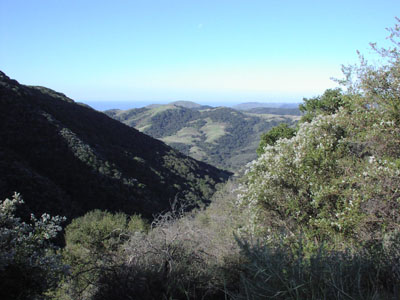
California, US
You might spot Western Fence Lizard and Canyon Sunflower.
View guide →
Take the discovery with you
Snap it with Snappit to identify it, learn what makes it special, and add the discovery to your collection.




_(40059471280).jpg&width=800)






.jpg&width=800)


_001.jpg&width=800)



