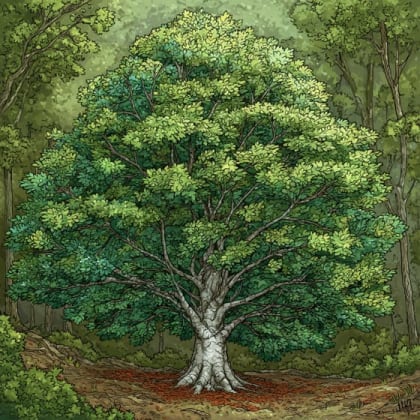
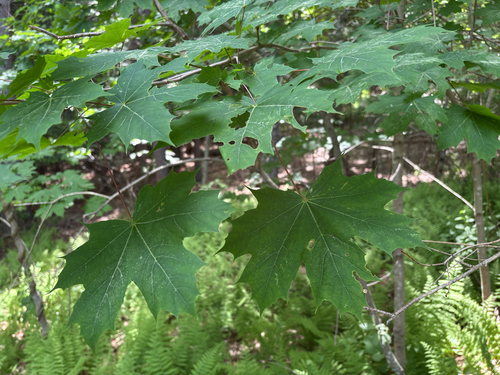
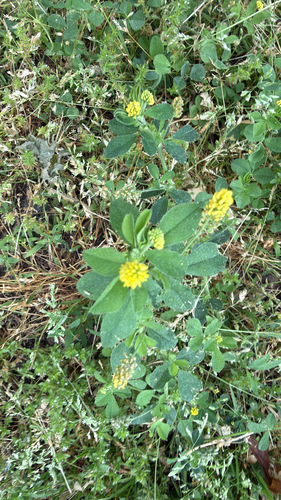
Eastern White Pine

Step back in time at South Hampton's historic heart.
Step back in time at South Hampton's historic heart. The Town Center Historic District offers a charming glimpse into New England's past, centered around the picturesque Barnard Green, the town's common. This well-preserved area, listed on the National Register of Historic Places, showcases a collection of architectural styles that tell the story of the town's evolution, from early colonial settlement to its 19th-century prosperity. Visitors can immerse themselves in the tranquil ambiance of a bygone era, surrounded by structures that have stood the test of time.
The district is a living museum of architectural heritage, featuring significant civic buildings predominantly designed in the Greek Revival style from the 1830s, such as the impressive Town Hall, the stately Baptist Church, and the historic Barnard School. Beyond these public structures, the area boasts a variety of residential architecture, including charming 18th and early 19th-century homes. Highlights include the elegant Georgian brick Kiely House, the remarkably preserved c. 1720 Georgian saltbox Ordway House, and a Federal-style house from around 1820 that once served as a bustling tavern, catering to stagecoach travelers.
A visit to the Town Center Historic District is an invitation to slow down and appreciate the intricate details of historical craftsmanship and community planning. Strolling through this district allows you to trace the footsteps of generations past and experience the enduring character of a classic New England town. Its quiet charm and rich history make it a memorable destination for anyone seeking an authentic cultural experience. Planning to visit? Download the Snappit app to identify the wildlife you spot in real-time.
The Town Center Historic District was officially listed on the National Register of Historic Places in 1983, recognizing its significant role in preserving the historical integrity of South Hampton. The town of South Hampton itself was incorporated in 1742, following the establishment of the New Hampshire-Massachusetts border. The district's development began around Barnard Green, which has served as the town common and a focal point for the community's civic and social life for centuries. The architectural landscape of the district largely reflects the period of prosperity from the mid-18th century through the 19th century, particularly influenced by its location on a historic main road, New Hampshire Route 107A. While a significant fire in 1912 led to the rebuilding of some homes with early 20th-century designs, many original 18th and 19th-century residences and prominent Greek Revival civic buildings, such as the Town Hall, Baptist Church, and Barnard School, continue to anchor the district's historical character. The district remains a testament to the broad patterns of agricultural, economic, and architectural development typical of northern New England communities.
Enjoy a self-guided walking tour, photograph the diverse architectural styles, and appreciate the serene New England atmosphere. Imagine life in centuries past as you observe the well-preserved structures.
Summers are warm and ideal for walking; autumn brings vibrant fall colors, making it a beautiful time for photography; winters can be cold and snowy, which might limit extensive outdoor exploration but offers a picturesque, quiet beauty.
As an open historic district comprising streets and a common, it is generally accessible for walking. Most areas around Barnard Green and along Main Avenue would be suitable for those with mobility aids, though specific access to building interiors would depend on individual property owners.
The central town common, perfect for a peaceful stroll.
An impressive Greek Revival civic building from the 1830s.
A c. 1832 Greek Revival structure, notable for its east-facing orientation.
Another significant Greek Revival building dating from the 1830s.
Each card links to a full Explore page with photos, traits, and fun facts.
Start with the big picture, then zoom in to explore individual wildlife observations around this place.
Wear comfortable walking shoes
The best way to experience the district is on foot, exploring the various streets and the town common.
Bring a camera
The historic buildings and picturesque New England setting offer excellent photo opportunities.
Allow ample time for discovery
While a quick walk is possible, taking your time to appreciate the architectural details and historical markers will enhance your visit.
Visit Barnard Green
Spend some time on the town common, which is the heart of the district and a great spot to take in the surroundings.
Look for architectural diversity
Pay attention to the different styles, from Georgian and Federal to Greek Revival, and observe how they blend across different eras of construction.
Jun 7, 2026
Photo attribution
(c) Sarah Courchesne, some rights reserved (CC BY)
License: CC BY 4.0 ↗
Image may be shown cropped inside the card frame.
Jun 6, 2026
Photo attribution
(c) The Wrong Industry, some rights reserved (CC BY)
License: CC BY 4.0 ↗
Image may be shown cropped inside the card frame.
Jun 7, 2026
Jun 7, 2026
Jun 6, 2026

Maryland, US
You might spot White-Tailed Deer and Eastern Gray Squirrel.
View guide →
.jpg)
District of Columbia, US
You might spot Eastern Gray Squirrel, Duck, and House Sparrow.
View guide →

Illinois, US
You might spot American Robin, Canada Goose, and House Sparrow.
View guide →

Virginia, US
You might spot Spotted Lanternfly and Northern Cardinal.
View guide →
Take the discovery with you
Identify the wildlife you spot, learn as you go, and keep a collection of the adventure.