Painted Turtle

Step into the past at the Whitinsville Historic District, a meticulously preserved New England mill village.
Step into the past at the Whitinsville Historic District, a meticulously preserved New England mill village. This district offers a unique glimpse into the American Industrial Revolution, showcasing a remarkable collection of 19th-century architecture and the enduring legacy of the Whitin family. As part of the Blackstone River Valley National Historical Park, Whitinsville stands as a testament to the ingenuity and societal structure of a pivotal era in American history.
Explore the district's array of historic structures, from the iconic 1826 Brick Mill, where the Whitin Machine Works began, to the stately Whitinsville Social Library and the imposing Memorial Town Hall. Wander past charming worker housing that illustrates the paternalistic system of the mill era, and discover grand homes built by the Whitin family. The district also encompasses the picturesque Town Common/Memorial Park, offering green spaces amidst the industrial heritage.
Visiting Whitinsville is an immersive experience, inviting you to connect with the powerful story of a community built around innovation and industry. It's a place where history comes alive, offering educational insights into the lives of mill workers and owners, and a chance to appreciate the architectural beauty that defines this nationally significant area. The district serves as a living museum, preserving the essence of a bygone industrial age. Planning to visit? Download the Snappit app to identify the wildlife you spot in real-time.
The Whitinsville Historic District encompasses the historic 19th-century mill village of Whitinsville, which evolved from an agricultural community into an industrial powerhouse. The story began with Paul Whitin, who established a cotton and textile machine shop in 1826 on the site of an earlier mill and forge owned by Colonel James Fletcher. The Whitin family, through the Whitin Machine Works, became dominant in the textile machinery trade, eventually becoming the world's largest textile machine shop by the 1920s. The Whitins not only built mills but also developed a comprehensive "company town," constructing over 1,000 worker dwellings, schools, churches, a town hall, library, and recreational facilities between the mid-1820s and mid-1920s. This benevolent paternalism provided job security and an orderly environment in exchange for worker loyalty. The Whitinsville Historic District was added to the National Register of Historic Places in 1983 and is included in the Blackstone River Valley National Historical Park.
Take a self-guided walking tour to discover the various historical buildings and learn about the industrial heritage. Look for informational plaques and enjoy the architectural diversity.
Summer and fall may offer local events or farmers' markets on the Town Common. Winter can be scenic with snow but may limit outdoor exploration due to colder temperatures.
As a historic district, accessibility can vary between individual buildings. The Town Common and many sidewalks are generally accessible. Some historic buildings may have limited accessibility; it's advisable to check with individual establishments if planning to enter. The Blackstone River Valley National Historical Park website offers general accessibility information.
The birthplace of the Whitin Machine Works, a significant industrial landmark now housing a non-profit.
An imposing civic building, originally a social venue and library, and a memorial to Paul and Betsy Whitin.
A beautiful 1913 building donated by the Whitin brothers, still serving as the public library.
An impressive church built in 1898, reflecting the Whitin family's contributions to the town's religious life.
Each card links to a full Explore page with photos, traits, and fun facts.
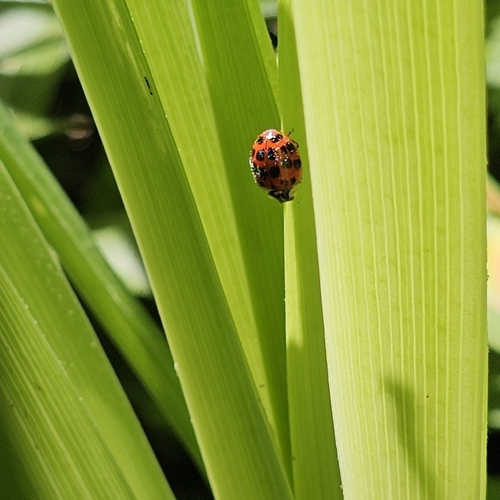
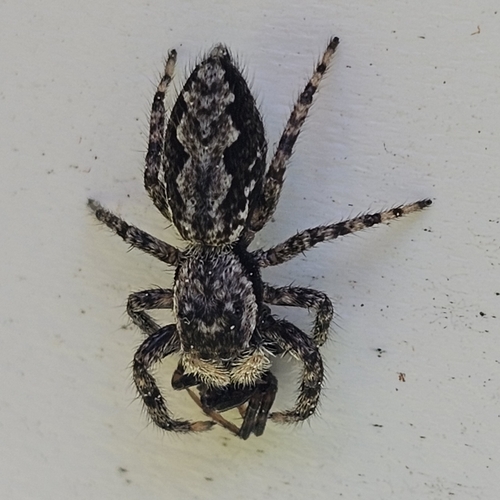
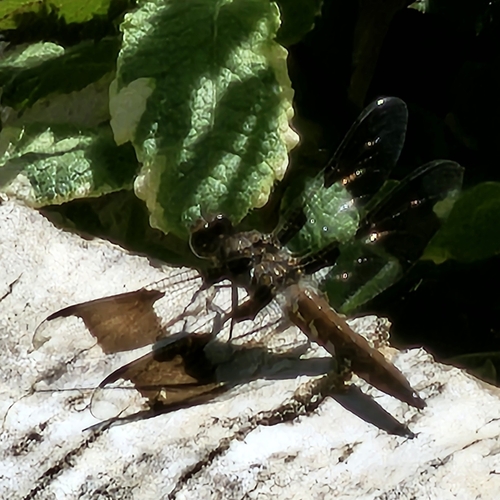
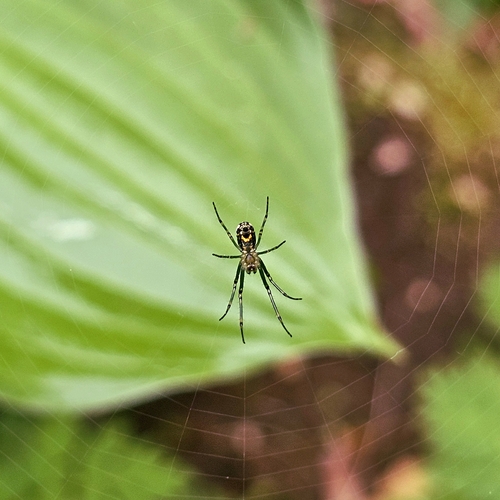
Start with the big picture, then zoom in to explore individual wildlife observations around this place.
Wear comfortable shoes
The best way to experience the district is on foot, so be prepared for walking.
Pick up a self-guided tour map
These are often available at local historical societies or visitor centers within the Blackstone River Valley National Historical Park.
Visit the Northbridge Historical Society: Located in the James Fletcher Homestead, it's a great starting point for deeper historical context.
Explore the Town Common
This central park offers a good vantage point for several key buildings and is a pleasant spot for a break.
Look for architectural details
Many buildings feature distinctive architectural styles and historical markers that tell their individual stories.
Consider combining your visit
The Whitinsville Historic District is part of the larger Blackstone River Valley National Historical Park, so you might explore other nearby sites to enhance your understanding of the region's industrial past.
Jun 2, 2026
Photo attribution
(c) Betsy Lambert, some rights reserved (CC BY)
License: CC BY 4.0 ↗
Image may be shown cropped inside the card frame.
Jun 2, 2026
Photo attribution
(c) Betsy Lambert, some rights reserved (CC BY)
License: CC BY 4.0 ↗
Image may be shown cropped inside the card frame.
Jun 2, 2026
Photo attribution
(c) Betsy Lambert, some rights reserved (CC BY)
License: CC BY 4.0 ↗
Image may be shown cropped inside the card frame.
May 31, 2026
Photo attribution
(c) Betsy Lambert, some rights reserved (CC BY)
License: CC BY 4.0 ↗
Image may be shown cropped inside the card frame.
May 31, 2026
Photo attribution
(c) Betsy Lambert, some rights reserved (CC BY)
License: CC BY 4.0 ↗
Image may be shown cropped inside the card frame.

Maryland, US
You might spot White-Tailed Deer and Eastern Gray Squirrel.
View guide →
.jpg)
District of Columbia, US
You might spot Eastern Gray Squirrel, Duck, and House Sparrow.
View guide →

Illinois, US
You might spot American Robin, Canada Goose, and House Sparrow.
View guide →

Virginia, US
You might spot Spotted Lanternfly and Northern Cardinal.
View guide →
Take the discovery with you
Identify the wildlife you spot, learn as you go, and keep a collection of the adventure.