




Tiger
Embark on an unforgettable journey into the wild at Zoo Miami, Florida's largest and only tropical zoo in the continental United States.
Embark on an unforgettable journey into the wild at Zoo Miami, Florida's largest and only tropical zoo in the continental United States. Spanning nearly 750 acres, with 324 developed for visitor exploration, this expansive park is home to over 3,000 animals representing approximately 500 species, alongside more than 1,000 species of trees, palms, and other plants, truly creating a botanical oasis. What sets Zoo Miami apart is its innovative, cage-less design, featuring large, open-air, and moated exhibits that meticulously recreate the animals' natural habitats. This unique layout provides an immersive experience, making visitors feel as though they're on an international safari, offering unobstructed, remarkably close views of wildlife in beautifully natural settings.
The visitor experience at Zoo Miami is designed for engagement and discovery. Wander along four miles of winding walkways, encountering majestic creatures from five major regions: Florida: Mission Everglades, Asia, Africa, Amazon and Beyond, and Australia. Beyond simply observing, guests can participate in exciting interactive opportunities, such as feeding towering giraffes, inquisitive rhinos, or vibrant parrots, creating memorable animal encounters. For families, the zoo offers engaging attractions like the Lostman's River Ride in the Everglades, numerous playgrounds, and refreshing water play areas, ensuring entertainment for all ages.
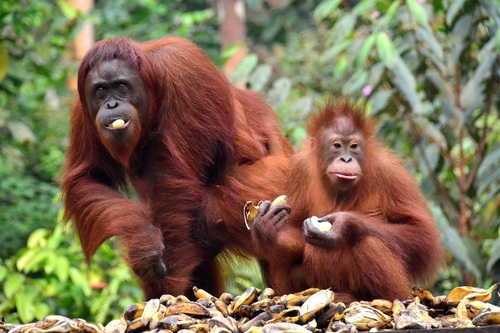
Zoo Miami is more than just an animal park; it is a globally recognized institution accredited by the Association of Zoos and Aquariums (AZA), deeply committed to wildlife conservation. With over 40 species classified as endangered residing within its care, the zoo actively participates in more than 30 global wildlife and environmental conservation projects across six continents. A visit here not only promises a thrilling encounter with diverse wildlife, including iconic Bornean orangutans, Sumatran tigers, African lions, Florida panthers, and koalas, but also supports critical efforts to protect our planet's precious biodiversity. Whether you choose to explore on foot, rent a Safari Cycle, or enjoy a narrated tram tour, Zoo Miami offers an enriching adventure that connects visitors with the wonders of the natural world. Planning to visit? Download the Snappit app to identify the wildlife you spot in real-time.
The origins of Zoo Miami trace back to 1948 with the establishment of the Crandon Park Zoo on Key Biscayne. This initial collection began with a unique start, inheriting animals like three monkeys, a goat, and two black bears from a stranded road show, along with lions, an elephant, and a rhinoceros from a defunct circus. By 1967, the Crandon Park Zoo had expanded significantly, housing over 1,200 animals and earning a reputation as one of the top zoos in the country. However, the zoo's island location proved vulnerable, and in 1965, Hurricane Betsy caused widespread devastation, tragically leading to the loss of 250 animals. This event spurred discussions about relocating the zoo to a more secure, inland location. Construction on the new site began in 1975, culminating in the grand opening of Miami MetroZoo on July 4, 1980, at its current location. The new zoo distinguished itself with its innovative, cage-less exhibit designs that replicated natural habitats, a pioneering approach at the time. Throughout the 1980s, the zoo continued to grow, adding exhibits like Asia in 1981 and the monorail system in 1984. It was officially rebranded as Zoo Miami in 2010.
Explore the five main geographical exhibits: Florida: Mission Everglades, Asia, Africa, Amazon and Beyond, and Australia. Attend engaging keeper talks and animal demonstrations to learn more about the residents. Participate in interactive animal feeding experiences, including giraffes, rhinos, and parrots. Utilize the monorail, Safari Cycles (multi-person bikes), or tram tours to cover the vast grounds efficiently. Allow children to enjoy the various playgrounds and cool off in the water play areas/splash pads.
During summer months, Miami's heat can be intense, making midday animal activity lower. Arriving early is crucial. The splash pads are a fantastic way for kids to cool down. Cooler months (November to April) generally offer a more pleasant experience.
Zoo Miami is highly wheelchair-accessible, featuring paved pathways throughout. Wheelchairs and electric convenience vehicles (ECVs) are available for rent, and it's advisable to reserve them in advance. Both the monorail and safari tram tours are equipped to accommodate wheelchairs, ensuring everyone can navigate the large park comfortably. Service animals are permitted. Accessible restrooms are also available.
Mission Everglades: Immerse yourself in a diverse array of native Florida wildlife, including American alligators, American crocodiles, Florida panthers, and roseate spoonbills. Don't miss the Lostman's River Ride for a unique perspective.
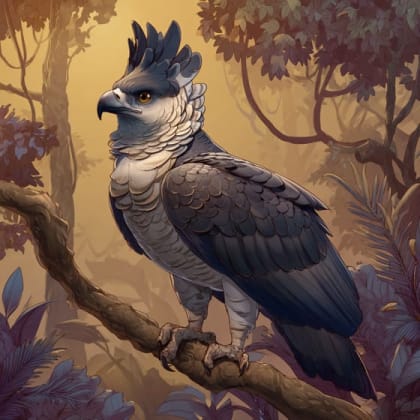
Explore the vibrant ecosystems of South America, home to jaguars, giant river otters, and harpy eagles.
Step into the largest open-air Asian aviary in the Western Hemisphere, a truly spectacular experience with over 300 birds of 70 species flying freely around you.
Get up close and personal with majestic reticulated giraffes as you offer them a snack.
Each card links to a full Explore page with photos, traits, and fun facts.
Start with the big picture, then zoom in to explore individual wildlife observations around this place.
Wear comfortable walking shoes
With over 4 miles of pathways across 324 developed acres, you'll be doing a lot of walking.
Stay hydrated
Miami's climate can be warm. Bring a refillable water bottle and take advantage of the numerous water refill stations throughout the zoo.
Consider alternative transportation
To save your feet, especially with children, rent a Safari Cycle (multi-person pedal bikes) or utilize the zoo's monorail or narrated tram tours.
Plan your day
Grab a map upon arrival and check the schedules for animal feeding times, keeper talks, and shows you don't want to miss.
Protect yourself from the sun
Bring sunscreen, hats, and sunglasses, as much of the zoo is open-air. Seek shade often, especially during peak sun hours.
Pack a change of clothes
If visiting with kids, particularly during warmer months, a change of clothes for the water play areas/splash pads will be very useful.
Parking is free
Take advantage of the complimentary parking available at the zoo.
Mar 2, 2026
Feb 28, 2026
Feb 28, 2026
Feb 28, 2026
Feb 28, 2026

Michigan, US
You might spot African Lion, Komodo Dragon, and Brown Bear.
View guide →
.jpg)
Municipal District of Cobh, IE
You might spot Ring-Tailed Lemur, Giraffes, and Cheetahs.
View guide →

Nouvelle-Aquitaine, FR
You might spot Greater Flamingo, Giraffes, and Red Panda.
View guide →

Texas, US
You might spot Giraffes, African Lion, and Eastern Black Rhinoceros.
View guide →
Take the discovery with you
Identify the wildlife you spot, learn as you go, and keep a collection of the adventure.