





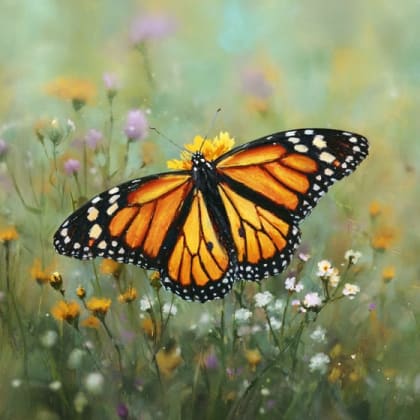
Eastern Tiger Swallowtail

Step back in time in Historic Ellicott City, a beautifully preserved 18th-century mill town.
Step back in time in Historic Ellicott City, a beautifully preserved 18th-century mill town. This district offers a unique blend of rich American history, distinctive granite architecture, and a lively modern atmosphere along its charming Main Street. From its origins as a groundbreaking industrial center, Ellicott City invites visitors to explore a bygone era amidst contemporary delights.
The district boasts several prominent historical attractions, perfect for exploration. Discover the **B&O Ellicott City Station Museum**, the oldest surviving railroad station in the United States, offering engaging exhibits on early railroading, including an HO-scale model and a restored 1927 caboose. Delve into pioneering women's education at the **Patapsco Female Institute Historic Park and Museum**, or explore early colonial life at the **Thomas Isaac Log Cabin**. Interactive learning awaits younger visitors at the **Ellicott Mills Children's Museum**, while art enthusiasts can appreciate the New Deal-era **Post Office Murals** at the Howard County Welcome Center.
Beyond its individual landmarks, the true charm of Ellicott City lies in its cohesive historic streetscape. Wander down Main Street, lined with over 200 18th and 19th-century granite buildings now housing unique boutiques, art galleries, and diverse restaurants. The district is a living museum, offering walking tours, seasonal events, and picturesque views of the Patapsco River, making every visit a memorable experience. Don't forget to bring the Snappit nature identification app along to scan local species.
The area officially known as the Ellicott's Mills Historic District is primarily located on the east bank of the Patapsco River in Oella, Baltimore County, distinct from but intrinsically linked to the broader Historic Ellicott City on the opposite bank in Howard County. Its roots trace back to 1772 when three Quaker brothers—Joseph, Andrew, and John Ellicott—established a grain milling operation, originally named Ellicott's Mills. This venture quickly grew into one of the largest milling and manufacturing centers in the East, pioneering merchant milling in America and contributing significantly to the Industrial Revolution. The Ellicotts developed the area with advanced mills and built homes for workers, forming a planned industrial community. The town's strategic location along the Patapsco River and its role in transporting goods led to the establishment of the Baltimore and Ohio (B&O) Railroad terminus in 1830, further cementing its importance as a transportation hub. The name of the town changed to Ellicott City in 1867. While the district has faced devastating floods throughout its history, notably in 1972, 2016, and 2018, extensive preservation and restoration efforts have ensured its continued vibrancy and historical integrity.
Take a self-guided or formal walking tour of the historic district. Explore the various museums. Enjoy boutique shopping and dining. Admire the distinctive granite architecture and street murals. Relax by the Patapsco River at Oella Waterfront Park. Check for local festivals and events.
Fall brings vibrant foliage, seasonal festivals, and pleasant temperatures for walking. Summers can be warm, while winters can be chilly, potentially impacting outdoor activities. Spring offers blooming scenery. Be mindful that rain can affect outdoor exploration due to the numerous shops and hilly terrain.
Ellicott City's hilly terrain and historic infrastructure present accessibility challenges. However, efforts are being made, and some key attractions like the **B&O Ellicott City Station Museum** offer a wheelchair-accessible ground level and a ramp to the second floor. Handicapped parking spaces are available in public lots and on Main Street. The Ellicott Mills Children's Museum, while historic, is not ADA-accessible.
The nation's oldest surviving railroad station, with historic exhibits and a restored caboose.
Explore the ruins of a pioneering women's finishing school.
A glimpse into 18th-century colonial life and African American history.
Admire historic murals depicting the town's founding.
Each card links to a full Explore page with photos, traits, and fun facts.
Start with the big picture, then zoom in to explore individual wildlife observations around this place.
Wear comfortable shoes
** Ellicott City's historic streets are hilly and can be uneven, so comfortable footwear is a must for exploring.
Check opening hours
Many local shops and museums may have varying hours, with some establishments often closed on Mondays and Tuesdays.
Utilize public parking
There are several free public parking lots available, and handicapped spaces are plentiful. Consider parking near Old Mill Cafe or Little Market Cafe for convenient access.
Explore beyond Main Street
While Main Street is the heart of the district, venture into side streets and alleys to discover hidden gems and unique vantage points.
Consider a guided tour
For a deeper understanding of the district's history and architecture, look into historical or even ghost tours offered locally.
Be prepared for weather
The district is best enjoyed outdoors, so check the forecast and dress accordingly. Bring an umbrella if rain is expected, as it can impact outdoor activities.

Maryland, US
You might spot White-Tailed Deer and Eastern Gray Squirrel.
View guide →
.jpg)
District of Columbia, US
You might spot Eastern Gray Squirrel, Duck, and House Sparrow.
View guide →

Illinois, US
You might spot American Robin, Canada Goose, and House Sparrow.
View guide →

Virginia, US
You might spot Spotted Lanternfly and Northern Cardinal.
View guide →
Take the discovery with you
Identify the wildlife you spot, learn as you go, and keep a collection of the adventure.









.jpg&width=800)




.jpg&width=800)



