





American Wigeon
Mareca americana
The American Wigeon is a beautiful duck known for its colorful feathers. They love to swim in lakes and ponds, making them fun to watch as they dive for food.
Habitat: Wetlands
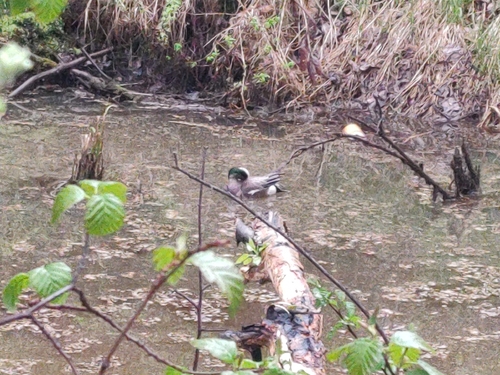
The American Wigeon is a medium-sized dabbling duck recognized by the male's striking white crown and iridescent green patch behind its eye. Both sexes have a bluish-grey bill with a black tip and a white belly.
Category
BirdsRarity
Common
Danger
1/5 · Very low
Snaps
17
Males have a bright white "cap" on their head, making them look super unique!
Their "whee-WOO-whew" whistle call is so unique, you'll know it immediately!
They often hang out with other duck species, sometimes even sharing food spots!
Wigeon ducklings can swim and find their own food just hours after hatching!
American Wigeon can graze on land like a goose, using its strong bill to clip vegetation and find food.
American Wigeon can "steal" plants from diving ducks, saving energy by not having to dive for their own food.
American Wigeon has a specialized bill to efficiently skim aquatic plants and tiny insects from the water's surface.
This duck mostly enjoys eating plants, but will occasionally snack on small insects.
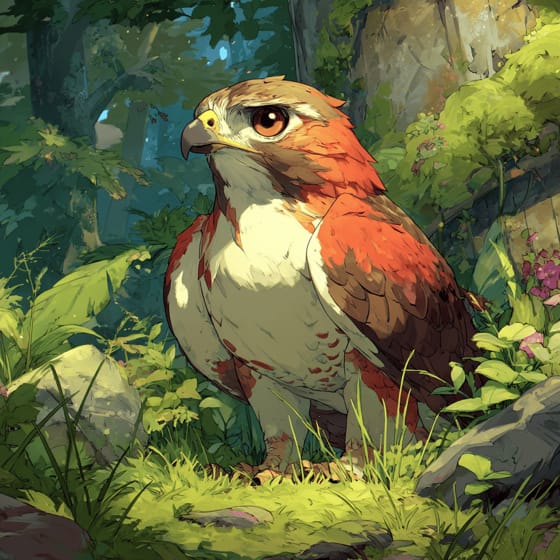
Buteo jamaicensis
Hawks are common predators of adult ducks.
Potamogeton spp.
A primary aquatic plant food source for wigeons.

Ruppia maritima
They actively seek out and consume this brackish grass.
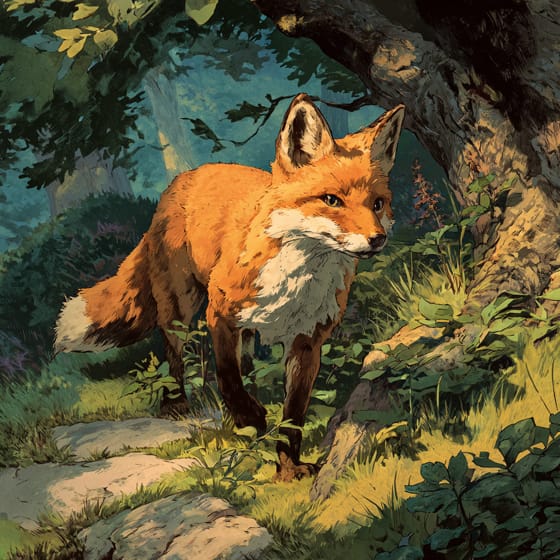
Vulpes vulpes
Foxes prey on wigeon eggs and ducklings.
Feathered describes animals, primarily birds, possessing a covering of feathers.
Characterized by having toes connected by a membrane, typically aiding in swimming.
Social animals live in organized groups, cooperating for survival benefits such as foraging, defense, and raising offspring.
Colorful describes organisms or objects displaying a wide range of bright and distinct colors.

Filter feeders obtain nutrients by straining suspended food particles and small organisms from water.

This trait characterizes organisms whose diet consists entirely or primarily of plant material.

This habitat trait identifies species found in wetlands, which are areas of land saturated with water, either permanently or seasonally, including marshes, swamps, and bogs.

Aquatic habitats encompass environments where organisms live predominantly in water, including oceans, rivers, lakes, and wetlands.

Migratory animals undertake seasonal movements from one region to another, typically in response to changes in climate or food availability.
No aliases listed yet.
Danger
1/5 · Very low
Always watch birds from a distance and don't try to touch them.
The easiest way to identify American Wigeon is to use the Snappit nature identifier app.
42-59 cm
76-91 cm
0.7-1.3 kg
5-18 years
80 km/h
This duck mostly enjoys eating plants, but will occasionally snack on small insects.
Wetlands
Zoom in to split clusters and explore where this object has been snapped.
May 29, 2026
Illinois Street Historic DistrictPhoto attribution
(c) Dustin Saltzman, some rights reserved (CC BY-SA)
License: CC BY-SA 4.0 ↗
Image may be shown cropped inside the card frame.

California, US
You might spot Monarch, Bee, and Anise Swallowtail.
View guide →

California, US
You might spot Snowy Egret, Great Blue Heron, and Willet.
View guide →

California, US
You might spot Western Fence Lizard and Eastern Fox Squirrel.
View guide →

California, US
You might spot American Avocet, Great Egret, and Snowy Egret.
View guide →

Alaska, US
You might spot Sandhill Crane, Fireweed, and Prickly Wild Rose.
View guide →

Wyoming, US
You might spot Elk, American White Pelican, and Arrowleaf Balsamroot.
View guide →
Take the discovery with you
Snap it with Snappit to identify it, learn what makes it special, and add the discovery to your collection.




.jpg&width=800)







