





aniseroot
Osmorhiza longistylis
Aniseroot is a special plant that grows in shady places. It has pretty leaves and a sweet smell that attracts insects. Kids love to explore and find this unique plant in the wild!
Habitat: Forests
The aniseroot is a leafy plant with an upright stem and large, fern-like leaves divided into three groups of three leaflets. It produces small, white, five-petaled flowers arranged in flat-topped clusters called umbels. Its mature seeds are dark, narrow, and covered in tiny, stiff bristles.
Category
PlantsRarity
Common
Danger
1/5 · Very low
Snaps
11
It's a cousin to carrots, celery, and parsley!
Its root tastes like sweet licorice when chewed!
Native Americans once used its root to soothe upset tummies!
Some people call it 'Sweet Cicely' because of its sugary flavor!
Aniseroot's roots smell like licorice, which helps it attract animals that might spread its seeds.
This plant has deep roots that allow it to absorb nutrients and moisture in shady woodland soils.
Aniseroot's seeds have tiny hooks that let them cling to fur, spreading far and wide!
Apis mellifera
collects nectar and pollen

Syrphus ribesii
drinks nectar from tiny flowers
Bombus impatiens
visits the small white flowers

Odocoileus virginianus
browses on leaves and stems
Aromatic plants produce and emit fragrant volatile organic compounds, often for defense or to attract pollinators.
Flowering plants are any plants that produce flowers as part of their reproductive cycle.
Shade tolerant plants are adapted to grow and thrive in areas with low light levels, requiring less direct sunlight.
Spring blooming plants produce their flowers during the spring season, often signifying the end of winter and the start of new growth.

Fragrant flowers emit a pleasant aroma, often to attract pollinators or for defense.

Edible plants are those parts of a plant that are considered safe for human consumption.

Describes plants that are particularly attractive and beneficial to a wide range of pollinating organisms.

Forest habitats are terrestrial environments dominated by dense tree cover, supporting a high diversity of plant and animal life.
No aliases listed yet.
Danger
1/5 · Very low
Always look but don't touch plants unless you know they are safe.
The easiest way to identify aniseroot is to use the Snappit nature identifier app.
30-90 cm
20-45 cm
0.3-0.5 cm
Late spring to early summer
Yes
None
Perennial
Zoom in to split clusters and explore where this object has been snapped.

Pennsylvania, US
You might spot American Robin, Red-Winged Blackbird, and Lesser Celandine.
View guide →

Massachusetts, US
You might spot Common Eastern Bumble Bee and Eastern Skunk Cabbage.
View guide →

Illinois, US
You might spot Osage-Orange, Cutleaf Teasel, and Red Clover.
View guide →
Kentucky, US
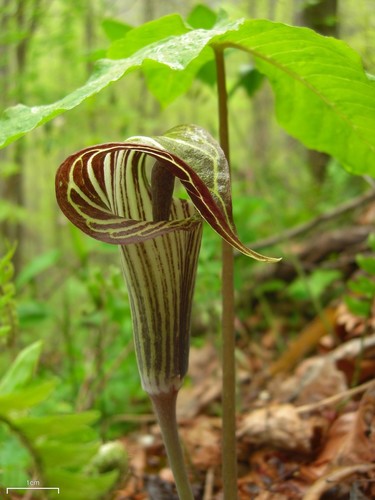
You might spot Jack-In-The-Pulpit and Prairie Trillium.
View guide →

Pennsylvania, US
You might spot Solomon's Plume, Moonseed, and Virginia Waterleaf.
View guide →

Maryland, US
You might spot American Robin, Mourning Dove, and Northern Cardinal.
View guide →
Take the discovery with you
Snap it with Snappit to identify it, learn what makes it special, and add the discovery to your collection.







.jpg&width=800)


_001.jpg&width=800)


