





bear oak
Quercus ilicifolia
The bear oak is a sturdy tree with thick, spiky leaves. It provides shade and homes for many animals. Its acorns are a tasty treat for squirrels and other wildlife.
Habitat: Forests
The bear oak is a small, shrubby tree with distinctively lobed leaves that are glossy dark green above and fuzzy pale green below. Its reddish-brown twigs lead to small, striped acorns partially enclosed by a shallow, scaly cup.
Category
PlantsRarity
Common
Danger
1/5 · Very low
Snaps
5
Even though it's small, this tough tree can often sprout back quickly after a forest fire!
Its leaves are super shiny on top but feel surprisingly fuzzy underneath, like a soft blanket!
Some bear oak groves are actually one giant plant, connected by unseen underground roots!
The bear oak got its name because black bears absolutely love to munch on its tiny, sweet acorns!
Bear oak can regrow quickly from its roots after a wildfire, helping it survive in fire-prone habitats.
This oak has adapted to grow in poor, dry, sandy, or rocky soils where many other trees struggle to thrive.
Bear oaks can produce abundant acorns at a younger age than many other oaks, ensuring food for wildlife.
Ursus americanus
its sweet acorns are a favorite food source
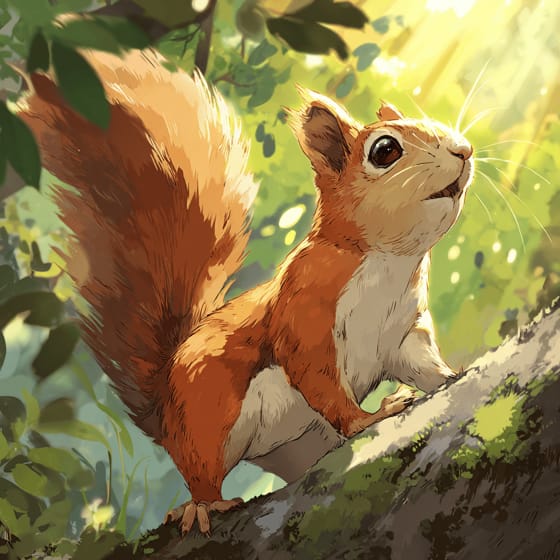
Sciurus carolinensis
buries and consumes its small acorns
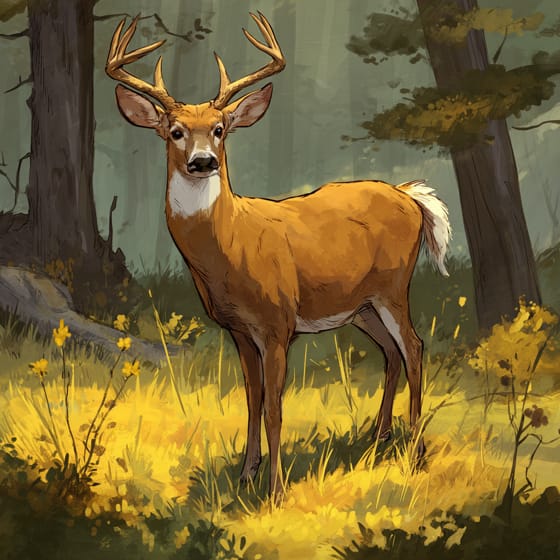
Odocoileus virginianus
browses on its twigs and foliage
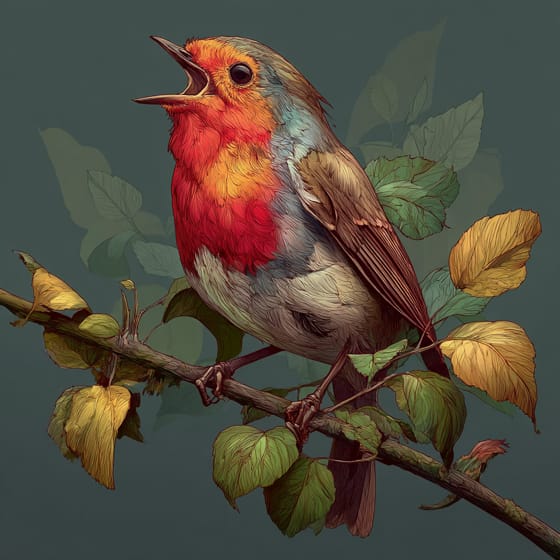
Turdus migratorius
nests in its dense branches
Deciduous plants periodically shed all their leaves, typically during autumn or dry seasons.
Shade tolerant plants are adapted to grow and thrive in areas with low light levels, requiring less direct sunlight.
Broadleaf trees are angiosperms characterized by flat, wide leaves that are typically shed annually in temperate climates.
Nut bearing plants produce hard-shelled fruits, commonly known as nuts, which contain a single seed and are a valuable food source.

Edible plants are those parts of a plant that are considered safe for human consumption.

Forest habitats are terrestrial environments dominated by dense tree cover, supporting a high diversity of plant and animal life.

This trait characterizes organisms with an exceptionally long lifespan compared to others of their kind.

Describes a species whose presence and role have a disproportionately large effect on its environment.
No aliases listed yet.
Danger
1/5 · Very low
Always stay a safe distance from large trees and watch out for falling branches.
The easiest way to identify bear oak is to use the Snappit nature identifier app.
200-800 cm
200-800 cm
0.5-2 cm
Spring
No
None
Perennial
Zoom in to split clusters and explore where this object has been snapped.

New York, US
You might spot Sundial Lupine, Spotted Horsemint, and New Jersey Tea.
View guide →

Pennsylvania, US
You might spot Mountain Laurel, Ghost Pipe, and Sweetfern.
View guide →

Connecticut, US
You might spot Ilia and Umber Underwings and Large Yellow Underwing.
View guide →

Massachusetts, US
You might spot Sheep Laurel and Common Eastern Bumble Bee.
View guide →

Connecticut, US
You might spot Striped Wintergreen and Pink Lady's Slipper.
View guide →

Massachusetts, US
You might spot Atlantic Horseshoe Crab, Duck, and American Herring Gull.
View guide →
Take the discovery with you
Snap it with Snappit to identify it, learn what makes it special, and add the discovery to your collection.







.jpg&width=800)


_001.jpg&width=800)

