




blue palo verde
Parkinsonia florida
The blue palo verde is a beautiful tree with bright green bark and yellow flowers. It grows in warm, sunny places and provides shade for animals and people alike.
Habitat: Desert
The blue palo verde has distinctive smooth, blue-green bark that gives the tree its name. Its branches are often thorny and its leaves are small and scarce, especially during dry periods. In spring, it bursts into a brilliant display of bright yellow, pea-like flowers.
Category
PlantsRarity
Common
Danger
1/5 · Very low
Snaps
2
It produces pods filled with seeds, which are a vital food source for many desert creatures!
Its name 'palo verde' means 'green stick' in Spanish, referring to its unique bark!
The blue palo verde's wood is very hard, historically used for tools and fuel by native peoples!
This amazing desert tree can live for over 100 years, standing strong through many summers!
Blue palo verde can photosynthesize through its green bark, allowing it to produce energy even when it sheds its tiny leaves to save water.
Blue palo verde can shed its small leaves during extreme drought, which helps it conserve precious water in its arid desert home.
Blue palo verde has sharp thorns along its branches that help defend it from browsing animals seeking a meal.
Apis mellifera
collects nectar and pollen
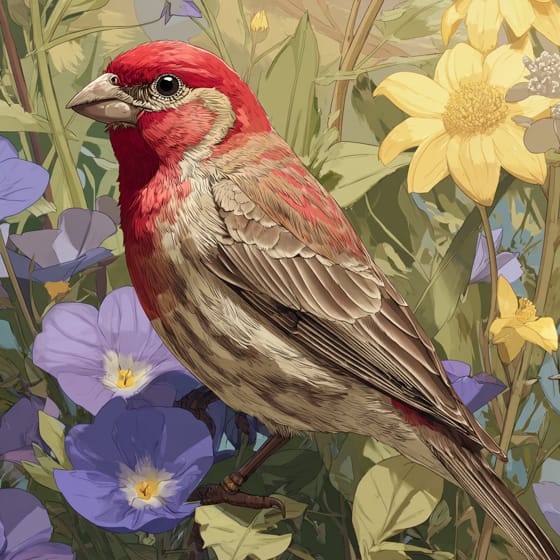
Haemorhous mexicanus
eats the seeds from pods
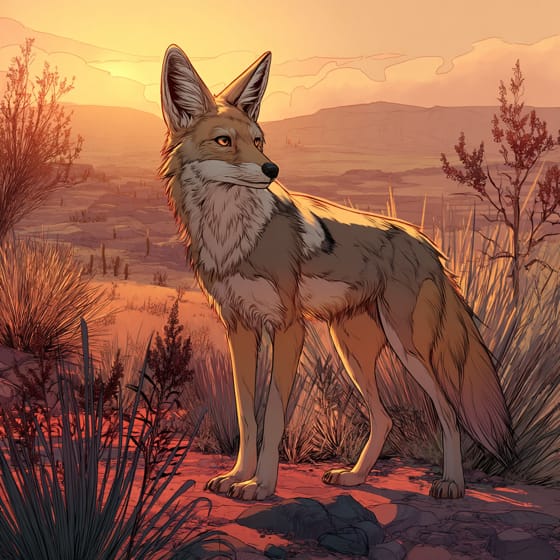
Canis latrans
eats seed pods fallen on ground
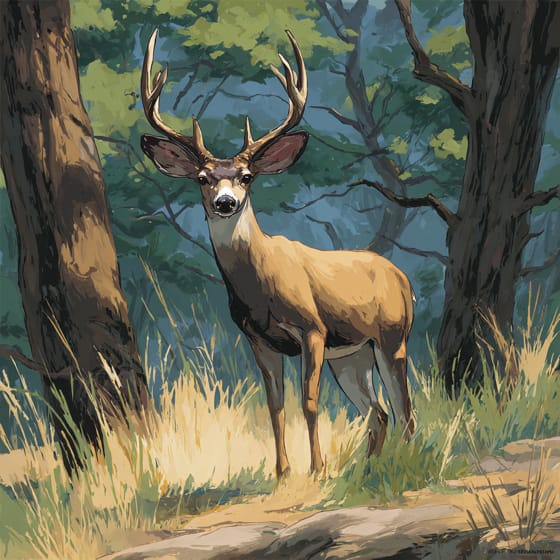
Odocoileus hemionus
browses on leaves and twigs
Toxostoma curvirostre
uses branches for nesting
Flowering plants are any plants that produce flowers as part of their reproductive cycle.
Describes organisms capable of converting atmospheric nitrogen into compounds usable by plants.
Shade tolerant plants are adapted to grow and thrive in areas with low light levels, requiring less direct sunlight.
Summer blooming plants produce their flowers during the summer season, often providing vibrant color when many other plants have finished.

Broadleaf trees are angiosperms characterized by flat, wide leaves that are typically shed annually in temperate climates.

Drought-tolerant plants can survive and flourish in conditions with limited water availability.

Edible plants are those parts of a plant that are considered safe for human consumption.

Describes plants that are particularly attractive and beneficial to a wide range of pollinating organisms.

Desert habitats are arid regions characterized by extremely low precipitation and often extreme temperatures, supporting specialized flora and fauna.

Describes a species whose presence and role have a disproportionately large effect on its environment.
Danger
1/5 · Very low
Stay on paths when exploring around trees and be careful not to touch any sharp thorns.
The easiest way to identify blue palo verde is to use the Snappit nature identifier app.
500-1500 cm
500-1000 cm
1-2 cm
Spring
Yes
None
Perennial
Zoom in to split clusters and explore where this object has been snapped.

Nevada, US
You might spot Barbary Macaque, Chimpanzee, and African Lion.
View guide →

Nevada, US
You might spot Great-Tailed Grackle and Northern Mockingbird.
View guide →

California, US
You might spot Black-Tailed Gnatcatcher and Brittlebush.
View guide →
Nevada, US
You might spot Northern Mockingbird and Great-Tailed Grackle.
View guide →

Nevada, US
You might spot Great-Tailed Grackle and Northern Mockingbird.
View guide →

Nevada, US
You might spot Great-Tailed Grackle and Northern Mockingbird.
View guide →
Take the discovery with you
Snap it with Snappit to identify it, learn what makes it special, and add the discovery to your collection.








.jpg&width=800)


_001.jpg&width=800)


