





Cackling Goose
Branta hutchinsii
Cackling Geese are small, friendly birds that love to live near water. They have a cute, round body and a cheerful honking sound that makes them easy to spot!
Habitat: Wetlands
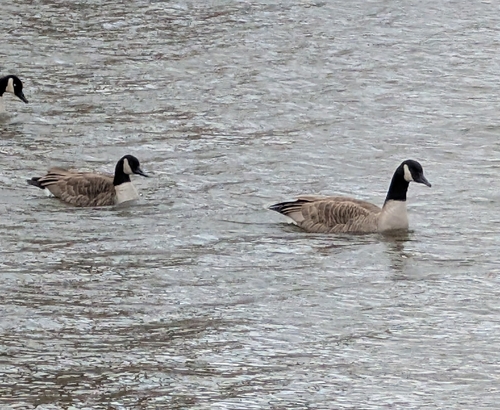
The Cackling Goose is a small goose, distinctly smaller than the Canada Goose, with a stubby bill and a rounder head. It has a black neck and head, a prominent white 'chinstrap' patch, and a pale brown body with lighter flanks. Its smaller size and sometimes whiter chest help distinguish it.
Category
BirdsRarity
Common
Danger
2/5 · Low
Snaps
3
Parents will bravely chase away much larger animals to protect their precious nests!
Sometimes, a goose will pretend to be hurt to distract predators from its babies!
The smallest type of Cackling Goose is only about the size of a mallard duck!
They fly in a 'V' shape to save energy, taking turns leading the flock!
Cackling Geese can fly thousands of miles because their strong wings and efficient bodies help them migrate across continents.
The Cackling Goose has unique calls that help it communicate warnings and find family members in noisy flocks.
Cackling Geese have excellent eyesight that helps them spot predators from far away while grazing in open fields.
Cackling Geese are plant-eaters, enjoying a variety of grasses, seeds, and grains.
Age differences: Goslings consume more protein-rich insects and small invertebrates for rapid growth, shifting to a mostly plant-based diet as they mature.

Haliaeetus leucocephalus
Preys on goslings and eggs, sometimes adults.
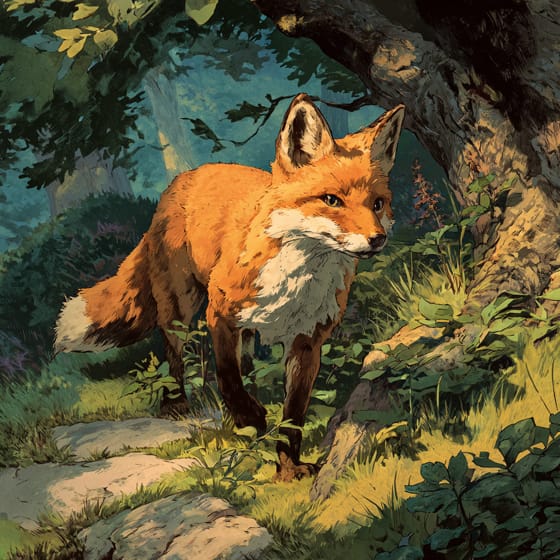
Vulpes vulpes
Hunts eggs and young goslings on nesting grounds.
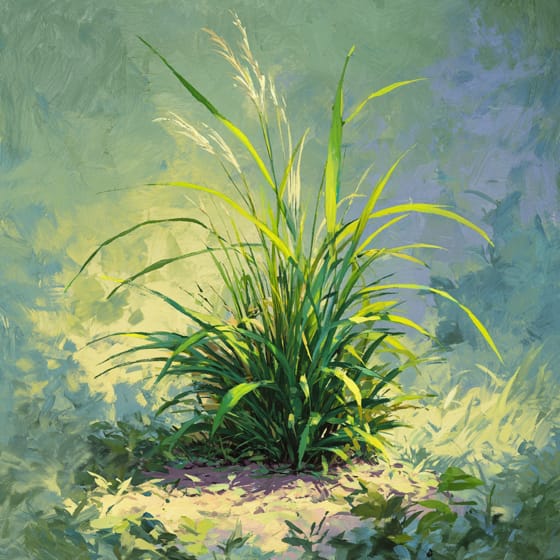
Poa pratensis
Grazes on fresh blades of this common grass.
Carex aquatilis
Consumes shoots and roots from marshy areas.
Feathered describes animals, primarily birds, possessing a covering of feathers.
Characterized by having toes connected by a membrane, typically aiding in swimming.
Social animals live in organized groups, cooperating for survival benefits such as foraging, defense, and raising offspring.
This trait characterizes organisms whose diet consists entirely or primarily of plant material.

This habitat trait identifies species found in wetlands, which are areas of land saturated with water, either permanently or seasonally, including marshes, swamps, and bogs.

Diurnal animals are primarily active during daylight hours, typically resting or sleeping at night.

This trait identifies organisms that exhibit exceptional swiftness in movement for hunting, escape, or travel.

Migratory animals undertake seasonal movements from one region to another, typically in response to changes in climate or food availability.
No aliases listed yet.
Danger
2/5 · Low
Always watch geese from a distance, as they can be protective of their nests.
The easiest way to identify Cackling Goose is to use the Snappit nature identifier app.
55-75 cm
110-130 cm
0.9-3.2 kg
10-20 years
90 km/h
Cackling Geese are plant-eaters, enjoying a variety of grasses, seeds, and grains.
Wetlands
Zoom in to split clusters and explore where this object has been snapped.
Jan 17, 2026
Potter Park ZooPhoto attribution
(c) Alan Prather, some rights reserved (CC BY)
License: CC BY 4.0 ↗
Image may be shown cropped inside the card frame.

Alaska, US
You might spot Moose, Fly Agaric, and Bald Eagle.
View guide →

Washington, US
You might spot Ring-Billed Gull, Cackling Goose, and Black-Bellied Plover.
View guide →

California, US
You might spot Sandhill Crane and Spined Turban Gall Wasp.
View guide →

Oregon, US
You might spot Western Sword Fern, Duck, and Black-Tailed Bumble Bee.
View guide →

Michigan, US
You might spot Tiger, Red Panda, and Snow Leopard.
View guide →

Oregon, US
You might spot Canada Goose, Duck, and Greater White-Fronted Goose.
View guide →
Take the discovery with you
Snap it with Snappit to identify it, learn what makes it special, and add the discovery to your collection.




.jpg&width=800)







