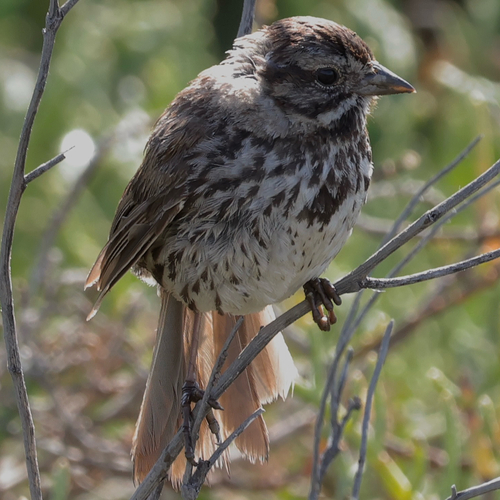
Northern Harrier

The Palo Alto Baylands Nature Preserve is a crucial wetland sanctuary for wildlife.
The Palo Alto Baylands Nature Preserve is a crucial wetland sanctuary for wildlife.
This expansive preserve, encompassing nearly 2,000 acres along the southern edge of the San Francisco Bay, is a vital natural haven and one of the largest remaining tracts of undisturbed marshland. It serves as a critical stopover on the Pacific Flyway, making it a renowned destination for birdwatching and a peaceful escape from the urban hustle of Silicon Valley. Visitors can immerse themselves in diverse tidal and freshwater habitats, experiencing the serene beauty of the Bay.
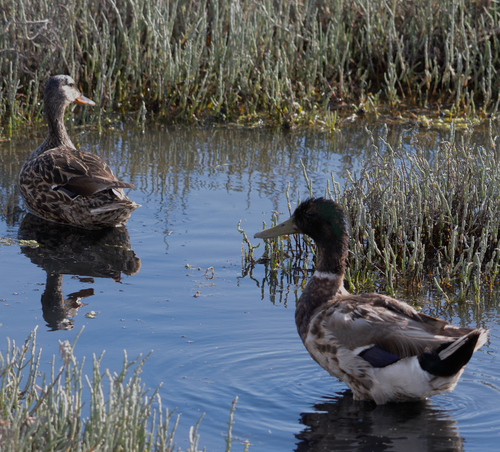
The preserve boasts nearly 15 miles of multi-use trails, including the accessible boardwalk extending from the Lucy Evans Baylands Nature Interpretive Center, offering unparalleled views into the Harriet Mundy Marsh and beyond. Key highlights include the freshwater Duck Pond, attracting various waterfowl like Mallards and Ruddy Ducks, and the unique Byxbee Park Hills, a former landfill transformed into a grassy art park with sweeping vistas. Birdwatchers can spot over 150 species, from the endangered Ridgway's Rail and Western Burrowing Owl to elegant American Avocets, Black-necked Stilts, and magnificent Pelicans.
A visit to the Palo Alto Baylands offers a profound connection to nature, whether you're observing Black-crowned Night Herons nesting or watching Snowy Egrets forage in the pickleweed flats. The preserve's rich biodiversity and tranquil landscapes provide endless opportunities for photography, reflection, and outdoor recreation. It's a memorable place where the quiet grandeur of the Bay ecosystem can be appreciated, leaving visitors refreshed and inspired by its natural wonders. Take the ultimate field guide with you: use the Snappit app to identify birds, plants, and animals on your trip.
The Palo Alto Baylands has a rich history of development and preservation. The City of Palo Alto acquired its first 40 acres of marshland in 1921. By the 1930s, ambitious plans were in motion to transform the baylands into a comprehensive recreational area, featuring a saltwater swimming pool (which later became the Duck Pond), a municipal airport, a yacht harbor, and a golf course. However, public sentiment shifted significantly in the 1960s towards conservation, leading to a citizens' committee recommendation that the baylands be designated as park land. This vision was realized in 1968, cementing the preserve's future as a natural sanctuary. Subsequent additions and dedications, such as the Lucy Evans Baylands Nature Interpretive Center (rededicated in 1978), the Harriet Mundy Marsh (dedicated in 1982 in honor of conservation efforts), and the Emily Renzel Wetlands (restored in 1992), have further enhanced its protected status and educational value.
Birdwatching is a primary activity, with over 150 species to observe. Enjoy hiking, walking, and bicycling on the extensive trail network. Wildlife viewing and nature photography are highly rewarding. The Sailing Station offers opportunities for windsurfing and non-motorized boating.
Winter: Expect rafts of Canvasbacks and Northern Shovelers. Trails can be muddy after rain.
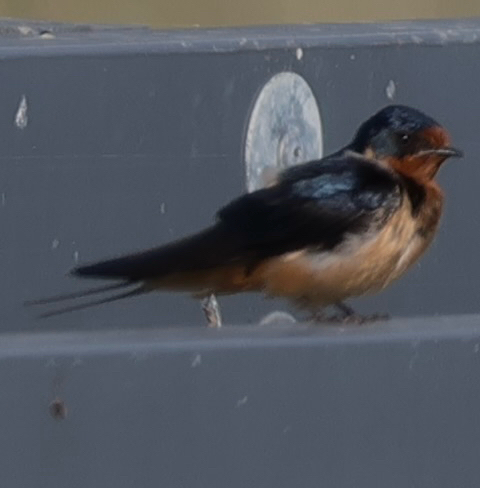
Spring: A great time for nesting activity from species like Black-crowned Night Herons, Snowy Egrets, American Avocets, and Cliff Swallows.
Summer: Mudflats attract avocets and stilts. Be prepared for sun exposure and potential mosquitoes on humid evenings.
General: Breezes off the water can be chilly, and there is little shade, so plan accordingly.
Many of the nearly 15 miles of trails offer some wheelchair access. The Lucy Evans Baylands Nature Interpretive Center, picnic areas, and accessible restrooms are available. While some trails feature smooth surfaces, others may be rough, poorly graded, or have soft sections; bike lanes adjacent to roads can serve as alternatives.
Learn about local wildlife through displays, use the ecology lab, and enjoy telescope views of shorebirds and waterfowl from the deck.
A picturesque quarter-mile boardwalk extends from the interpretive center, providing close-up views of the Harriet Mundy Marsh.
A popular spot for observing various ducks, geese, and other waterfowl.
Explore public art installations on this former landfill, which offers sweeping panoramic views of the Bay and surrounding landscape.
Each card links to a full Explore page with photos, traits, and fun facts.
Start with the big picture, then zoom in to explore individual wildlife observations around this place.
Bring Binoculars
** Enhance your birdwatching experience; many birds can be seen even without them, but binoculars reveal more detail.
Dress in Layers
The Bay Area weather can change quickly, and strong winds are common, especially in the afternoons, so layers are essential.
Check Tide Charts
Low tide is often best for observing wading birds foraging in the mudflats.
Visit Early or Late
The early morning and late afternoon (about two hours before sunset) offer the best light for photography and increased bird activity.
Stay Hydrated & Protected
Carry water and wear sun protection (hat, sunscreen) as there is very little shade on the trails.
Observe Leash Laws
If visiting with a dog, ensure it remains on a leash to protect wildlife and comply with preserve rules.
Jun 19, 2026
Photo attribution
no rights reserved
License: CC0 1.0 ↗
Image may be shown cropped inside the card frame.
Jun 19, 2026
Photo attribution
no rights reserved
License: CC0 1.0 ↗
Image may be shown cropped inside the card frame.
Jun 19, 2026
Photo attribution
no rights reserved
License: CC0 1.0 ↗
Image may be shown cropped inside the card frame.
Jun 19, 2026
Photo attribution
no rights reserved
License: CC0 1.0 ↗
Image may be shown cropped inside the card frame.
Jun 19, 2026
Photo attribution
no rights reserved
License: CC0 1.0 ↗
Image may be shown cropped inside the card frame.

Maryland, US
You might spot White-Tailed Deer and Eastern Gray Squirrel.
View guide →
.jpg)
District of Columbia, US
You might spot Eastern Gray Squirrel, Duck, and House Sparrow.
View guide →

Illinois, US
You might spot American Robin, Canada Goose, and House Sparrow.
View guide →

Virginia, US
You might spot Spotted Lanternfly and Northern Cardinal.
View guide →
Take the discovery with you
Identify the wildlife you spot, learn as you go, and keep a collection of the adventure.