





California Incense-Cedar
calocedrus decurrens
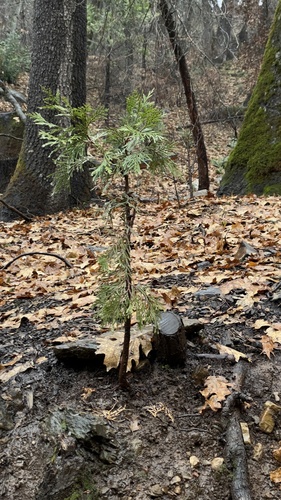
The California Incense-Cedar is a tall tree with fragrant wood that smells wonderful! It has beautiful, soft, green needles that are perfect for making nature crafts!
Habitat: California's mountainous regions, particularly in mixed conifer forests.
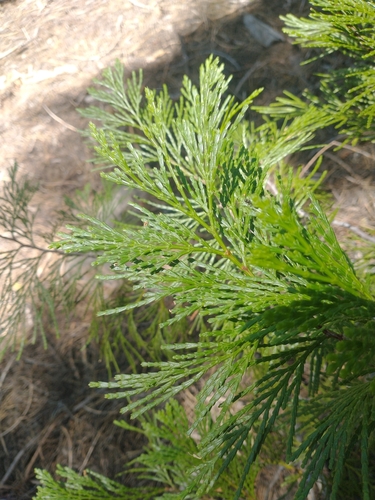
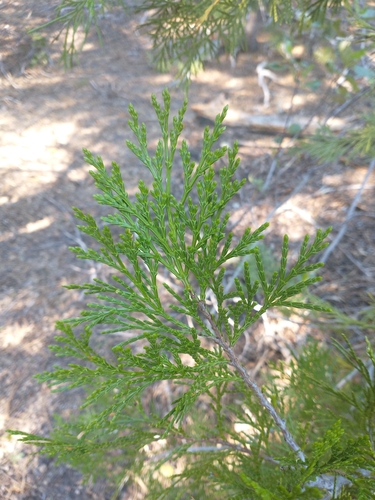
The California Incense-Cedar is a tall, slender conifer with a distinctive narrow, columnar crown. It has flattened, scale-like leaves arranged in sprays, which are bright green to yellowish-green. Its reddish-brown bark is deeply furrowed and peels in long, vertical strips, giving it a unique textured look.
Category
PlantsRarity
Common
Danger
0/5 · No known danger
Snaps
11
It is the only living species in its genus, a true botanical survivor!
Its wood gives off a spicy-sweet aroma, making it prized for cedar chests!
Native American tribes traditionally used parts of this tree for medicine.
The tiny cones open like a duck's bill, releasing winged seeds!
California Incense-Cedar has thick, fibrous bark that protects its inner tissues, helping it survive some wildfires.
California Incense-Cedar can access deep water sources with its extensive root system, allowing it to withstand long dry periods.
California Incense-Cedar has highly rot-resistant heartwood, which helps the tree stay strong and healthy for centuries.

Sciurus griseus
collects and caches its winged seeds

Cyanocitta stelleri
forages for seeds from its cones
Strix occidentalis
nests in cavities of large, old trees
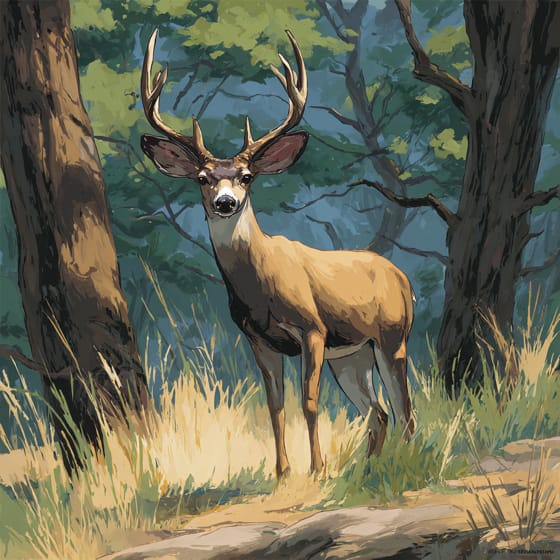
Odocoileus hemionus
uses dense stands for cover
Social animals live in organized groups, cooperating for survival benefits such as foraging, defense, and raising offspring.
Arboreal animals live primarily in trees, utilizing them for shelter, food, and protection from predators.
Colorful describes organisms or objects displaying a wide range of bright and distinct colors.
Forest habitats are terrestrial environments dominated by dense tree cover, supporting a high diversity of plant and animal life.

Diurnal animals are primarily active during daylight hours, typically resting or sleeping at night.
Danger
0/5 · No known danger
No special safety notes yet.
The easiest way to identify California Incense-Cedar is to use the Snappit nature identifier app.
3000-6000 cm
300-600 cm
Spring
No
None
Perennial
Wind
Zoom in to split clusters and explore where this object has been snapped.
Aug 1, 2023
Sun Pass State ForestPhoto attribution
no rights reserved
License: CC0 1.0 ↗
Image may be shown cropped inside the card frame.
Jun 10, 2023
Sun Pass State ForestPhoto attribution
no rights reserved
License: CC0 1.0 ↗
Image may be shown cropped inside the card frame.
Dec 27, 2022
Alder Creek GrovePhoto attribution
(c) Ike Ikemori, some rights reserved (CC BY)
License: CC BY 4.0 ↗
Image may be shown cropped inside the card frame.

California, US
You might spot Sequoia, California Newt, and Pacific Dogwood.
View guide →
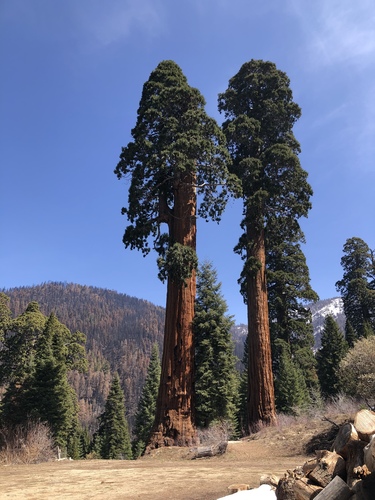
California, US
You might spot Sequoia, Mountain Misery, and Black Bear.
View guide →

California, US
You might spot Sequoia, California Incense-Cedar, and White Fir.
View guide →

California, US
You might spot California Scrub-Jay and Acorn Woodpecker.
View guide →

California, US
You might spot Yellow Star-Tulip and Mountain Misery.
View guide →
California, US
You might spot Sequoia, Mountain Misery, and Snowplant.
View guide →
Take the discovery with you
Snap it with Snappit to identify it, learn what makes it special, and add the discovery to your collection.








.jpg&width=800)



_001.jpg&width=800)




