.jpg&width=800)





Cinnamon Teal
Spatula cyanoptera
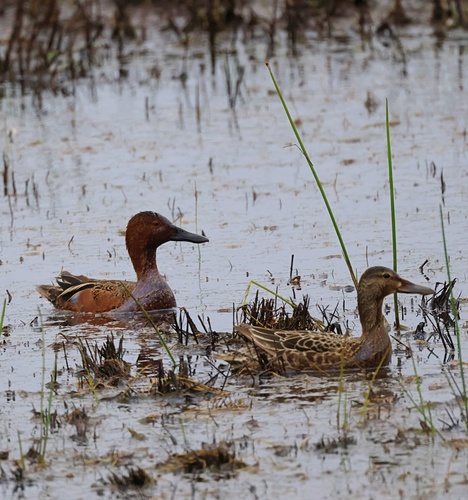
The Cinnamon Teal is a beautiful duck with bright chestnut feathers and a lovely blue wing patch. They like to swim in shallow waters and can often be seen in wetlands.
Habitat: Wetlands
The Cinnamon Teal male is vibrant cinnamon-red with a distinctive dark eye patch, making him stand out. Females are mottled brown, offering excellent camouflage. Both sexes display brilliant sky-blue wing patches visible when in flight.
Category
BirdsRarity
Common
Danger
1/5 · Very low
Snaps
11
Baby teal can swim and find food hours after hatching.
Male Cinnamon Teals boast vibrant feathers!
Their bright blue wings flash like jewels in the sun.
They are speedy flyers, migrating thousands of miles.
Cinnamon Teal can burst into flight instantly, helping them escape predators quickly.
Cinnamon Teal has a special bill that helps them filter tiny food from the water's surface.
Cinnamon Teal females build hidden nests in dense plants, keeping their eggs safe from harm.
These ducks feast on tiny water bugs, insect larvae, and plant seeds from shallow waters.
Age differences: Young ducklings eat more protein-rich insects for growth.

Falco peregrinus
A top predator, it hunts adult ducks.

Canis latrans
Coyotes can prey on ducks near wetlands.
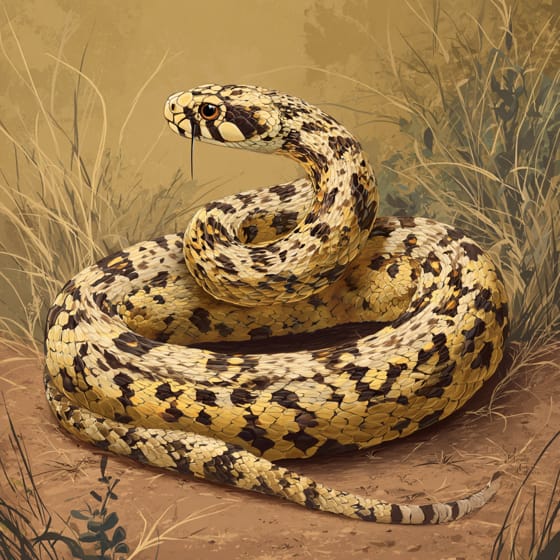
Pituophis catenifer
These snakes may eat eggs or young ducklings.
Daphnia pulex
Tiny crustaceans that are a vital food source.
Notonecta undulata
Common aquatic insect eaten by the teal.
Feathered describes animals, primarily birds, possessing a covering of feathers.
Social animals live in organized groups, cooperating for survival benefits such as foraging, defense, and raising offspring.
This trait identifies organisms whose diet includes both plant and animal matter.
Colorful describes organisms or objects displaying a wide range of bright and distinct colors.

Filter feeders obtain nutrients by straining suspended food particles and small organisms from water.

This habitat trait identifies species found in wetlands, which are areas of land saturated with water, either permanently or seasonally, including marshes, swamps, and bogs.

Diurnal animals are primarily active during daylight hours, typically resting or sleeping at night.

Freshwater habitats include non-saline aquatic environments such as rivers, lakes, ponds, and wetlands, vital for numerous species.

Aquatic habitats encompass environments where organisms live predominantly in water, including oceans, rivers, lakes, and wetlands.

Migratory animals undertake seasonal movements from one region to another, typically in response to changes in climate or food availability.
No aliases listed yet.
Danger
1/5 · Very low
Always watch birds from a distance and don't try to touch them.
The easiest way to identify Cinnamon Teal is to use the Snappit nature identifier app.
35-43 cm
56-66 cm
0.28-0.5 kg
5-10 years
70 km/h
These ducks feast on tiny water bugs, insect larvae, and plant seeds from shallow waters.
Wetlands
Zoom in to split clusters and explore where this object has been snapped.
Jun 3, 2026
Humboldt Botanical GardensPhoto attribution
(c) Eric Austin, some rights reserved (CC BY)
License: CC BY 4.0 ↗
Image may be shown cropped inside the card frame.

California, US
You might spot American Avocet, Great Egret, and Snowy Egret.
View guide →

Wyoming, US
You might spot Elk, American White Pelican, and Arrowleaf Balsamroot.
View guide →

Oregon, US
You might spot Mule Deer, Song Sparrow, and Northern Yellow Warbler.
View guide →

Oregon, US
You might spot Belding's Ground Squirrel and Yellow-Headed Blackbird.
View guide →

US
You might spot Sea Otter, Magellanic Penguin, and Zebra Shark.
View guide →

Washington, US
You might spot Red-Tailed Hawk and Colorado Checkered Whiptail.
View guide →
Take the discovery with you
Snap it with Snappit to identify it, learn what makes it special, and add the discovery to your collection.




.jpg&width=800)







