





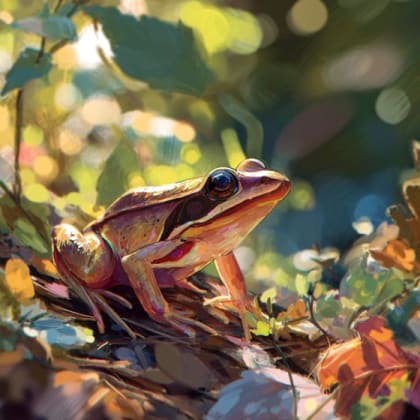
American Toad

The Cambridge Historic District offers a charming journey back in time, showcasing a rich tapestry of American history and architectural beauty.
The Cambridge Historic District offers a charming journey back in time, showcasing a rich tapestry of American history and architectural beauty. This 105-acre district in Washington County, New York, is a preserved snapshot of a thriving 19th-century village. It stands as a testament to the community's growth, particularly during its heyday as home to the world-renowned Rice Seed Company.
Visitors can immerse themselves in a diverse collection of architectural styles, from elegant Federal and Greek Revival homes to ornate late Victorian, Second Empire, and Queen Anne buildings. Key highlights include the Dorr-Randall House, a notable 1779 Federal-style residence, and Hubbard Hall, an impressive 1878 Second Empire opera house still active today. The Rice Seed Company's historic warehouse and office buildings, alongside St. Luke's Church with its stunning Tiffany interiors, provide a glimpse into the village's prosperous past.
Exploring the Cambridge Historic District is an invitation to wander through history, offering picturesque streetscapes and unique landmarks that tell stories of early American enterprise and community spirit. It's an ideal destination for those seeking a tranquil escape, architectural inspiration, and a deeper connection to New York's historical roots, making every corner memorable. Wondering what that bird or insect is? Find out on your visit using the Snappit nature app.
The settlement of what would become the village of Cambridge began in the 1760s, following the French and Indian War, which made the area safe for development north of Albany. The Cambridge Patent, purchased in 1761, laid the groundwork for a community of independent landowners. The village itself was incorporated in 1866, merging the hamlets of Cambridge and North White Creek. The 19th century brought significant growth, spurred first by the Albany & Rutland Railroad, connecting Cambridge to larger markets, and later by the booming success of the Rice Seed Company. Once the largest seed company globally, its presence transformed Cambridge into a bustling economic center. In recognition of its well-preserved historical and architectural integrity, the Cambridge Historic District was designated a historic district and added to the National Register of Historic Places in 1978.
Enjoy a self-guided walking tour to admire the diverse 18th and 19th-century architecture. Visit the Cambridge Historical Society and Museum for deeper insights into local heritage. Attend a show or event at Hubbard Hall.
Spring and summer bring lush greenery, while autumn offers vibrant foliage, enhancing the scenic beauty. Winter visits might be quieter, but the historical buildings retain their charm. Check the Cambridge Historical Society and Hubbard Hall websites for seasonal event schedules.
The district is primarily explored via public sidewalks. Individual building accessibility may vary, with older structures potentially having steps. The Cambridge Historical Society and Museum is housed in an old building, so it's advisable to contact them directly for specific accessibility information.
The oldest surviving house in the district, built in 1779, and an excellent example of Federal-style architecture.
A magnificent Second Empire opera house from 1878, still serving as a cultural center.
Significant structures representing Cambridge's economic peak.
An 1866 church featuring notable Tiffany artwork and stained glass windows.
Each card links to a full Explore page with photos, traits, and fun facts.
Start with the big picture, then zoom in to explore individual wildlife observations around this place.
Wear comfortable walking shoes to explore the district's streets and admire the architecture at your own pace.
Bring a camera to capture the historic buildings and picturesque streetscapes.
Consider visiting the Cambridge Historical Society and Museum (12 Broad Street) for a deeper understanding of the area's heritage and to view artifacts.
Check the schedule for Hubbard Hall (25 West Main Street) for any live performances or events during your visit.
Look for historical markers or plaques on buildings to learn more about their individual stories.
Parking is generally available on Main Street, which offers convenient access to many key sites.
Jun 18, 2026
Jun 18, 2026
Jun 17, 2026
Jun 17, 2026
Jun 16, 2026

Maryland, US
You might spot White-Tailed Deer and Eastern Gray Squirrel.
View guide →
.jpg)
District of Columbia, US
You might spot Eastern Gray Squirrel, Duck, and House Sparrow.
View guide →

Illinois, US
You might spot American Robin, Canada Goose, and House Sparrow.
View guide →

Virginia, US
You might spot Spotted Lanternfly and Northern Cardinal.
View guide →
Take the discovery with you
Identify the wildlife you spot, learn as you go, and keep a collection of the adventure.










































.JPG&width=800)
