





Common Dewberry
Rubus flagellaris
Common Dewberry is a sweet, juicy berry that grows on low bushes. Kids love to pick and eat these tasty treats during summer adventures in nature!
Habitat: Grasslands
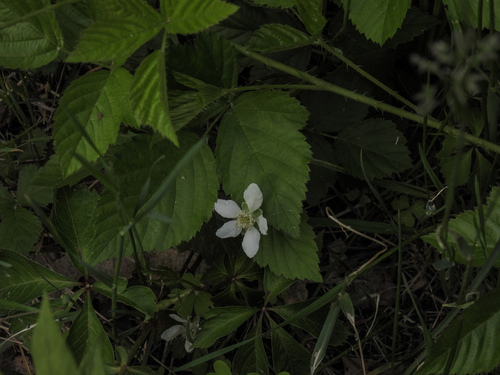
The Common Dewberry is a low-growing, trailing vine with slender, thorny stems. It produces delicate white flowers in spring, followed by shiny, dark purple to black berries. Unlike upright blackberries, its vines typically creep along the ground.
Category
PlantsRarity
Common
Danger
1/5 · Very low
Snaps
6
Dewberries get their name because they often glisten with morning dew!
Each tiny bead on a dewberry is actually a complete fruit, called a drupelet!
If a dewberry vine touches the ground, its tip can root and start a brand new plant!
These low-growing plants often ripen their sweet berries earlier than taller wild blackberries!
Common Dewberry has flexible stems that trail along the ground, helping it spread quickly and root in new spots.
Common Dewberry's stems are covered in sharp prickles, helping it defend against hungry browsers like deer.
Common Dewberry produces delicious, juicy berries that attract animals to eat them, spreading its seeds far and wide.
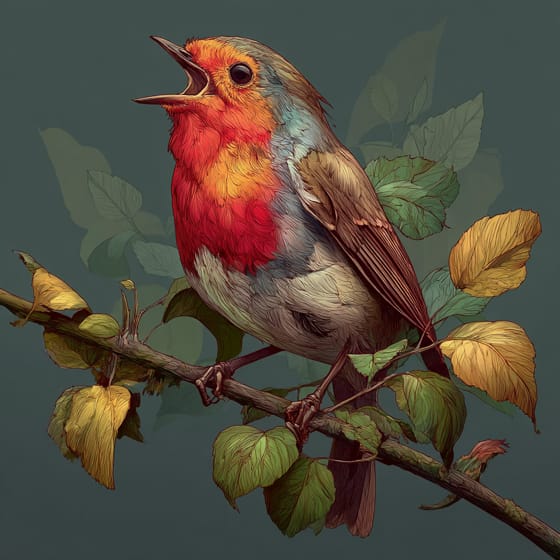
Turdus migratorius
Robins feast on the ripe berries.
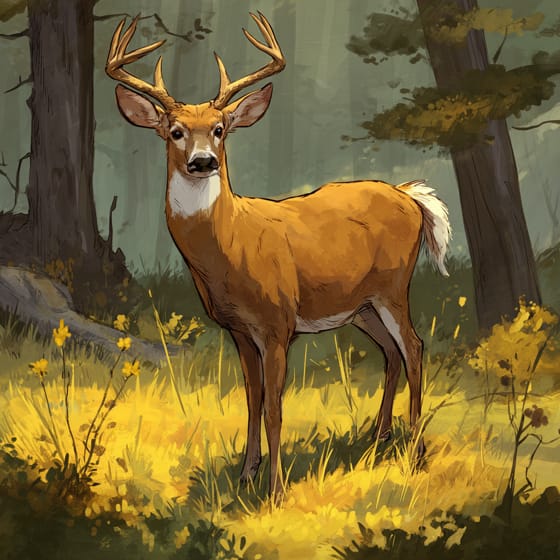
Odocoileus virginianus
Deer browse on the leaves and stems.
Apis mellifera
Bees collect nectar and pollen from flowers.

Bombus impatiens
Bumble bees visit the dewberry flowers.
Deciduous plants periodically shed all their leaves, typically during autumn or dry seasons.
Flowering plants are any plants that produce flowers as part of their reproductive cycle.
A shrub is a woody plant smaller than a tree, typically with multiple stems branching from or near the ground.
Fruit-bearing plants produce fruits, which are the mature ovaries of flowering plants containing seeds.

Edible plants are those parts of a plant that are considered safe for human consumption.

Grassland habitats are terrestrial biomes dominated by grasses and herbaceous plants, supporting a variety of grazing animals.
No aliases listed yet.
Danger
1/5 · Very low
Always wash dewberries before eating them to keep your tummy safe.
The easiest way to identify Common Dewberry is to use the Snappit nature identifier app.
15-60 cm
50-300 cm
1-2.5 cm
Spring to early Summer
Yes
None
Perennial
Zoom in to split clusters and explore where this object has been snapped.
Jun 2, 2026
Lyman School for BoysPhoto attribution
no rights reserved
License: CC0 1.0 ↗
Image may be shown cropped inside the card frame.

Massachusetts, US
You might spot Hemlock Woolly Adelgid, Eastern Newt, and Red Trillium.
View guide →

Michigan, US
You might spot Eastern Skunk Cabbage and Kirtland's Warbler.
View guide →

Massachusetts, US
You might spot Common Eastern Bumble Bee, Bee, and Eastern Calligrapher.
View guide →

Massachusetts, US
You might spot Common Eastern Bumble Bee and Song Sparrow.
View guide →

New York, US
You might spot Bloodroot, Dutchman's Breeches, and Blue Dasher.
View guide →

Massachusetts, US
You might spot White-Tailed Deer, Skunk, and Eastern Cottontail.
View guide →
Take the discovery with you
Snap it with Snappit to identify it, learn what makes it special, and add the discovery to your collection.







.jpg&width=800)



_001.jpg&width=800)



