





Coppery Leafhopper
Jikradia olitoria
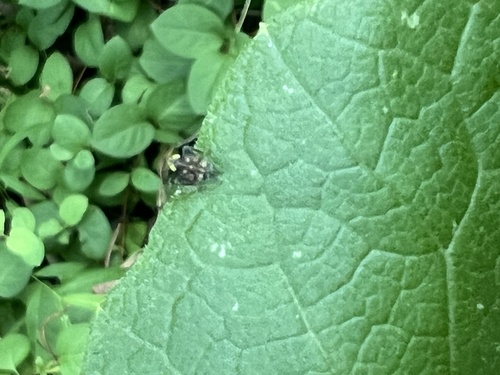
The Coppery Leafhopper is a small, colorful insect that loves to hop around on plants. It has shiny, coppery wings that sparkle in the sunlight, making it look like a tiny gem in the garden!
Habitat: Grasslands
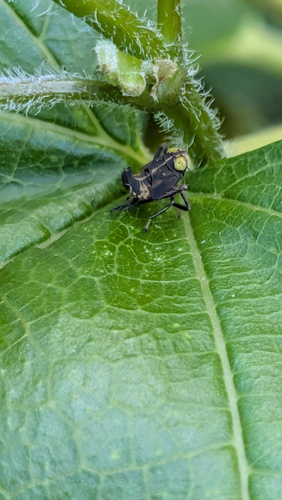
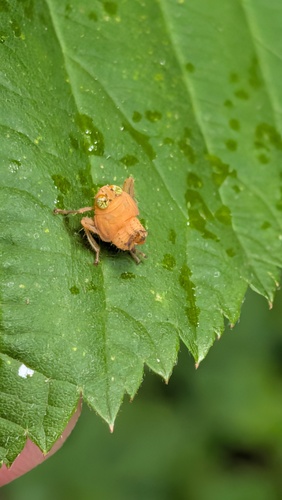
The Coppery Leafhopper is a small insect, usually 3-5 mm long, with a distinct coppery-brown to reddish body. It often has subtle pale markings on its wings and a broad, shovel-shaped head that makes it visually different from many other leafhoppers.
Category
InsectsRarity
Common
Danger
1/5 · Very low
Snaps
17
Their straw-like mouthparts are called a "rostrum" and can pierce tough plant tissues!
These tiny insects can "sing" by vibrating special body parts, sending messages through plants!
They leave behind tiny, sticky droplets called "honeydew" after feasting on sweet plant sap!
When disturbed, Coppery Leafhoppers often quickly scuttle sideways or backwards before jumping away!
Coppery Leafhopper can leap incredible distances because of powerful hind legs that help them escape danger quickly.
Coppery Leafhopper has a straw-like mouthpart that helps them suck sugary sap directly from plant stems.
Coppery Leafhopper can quickly hide by pressing flat against plant stems and blending in with its earthy color.
Coppery Leafhoppers are plant-eaters that love to sip sweet sap from plant stems.

Trifolium pratense
A primary food source for leafhoppers.

Medicago sativa
Provides essential nutrients through its sap.
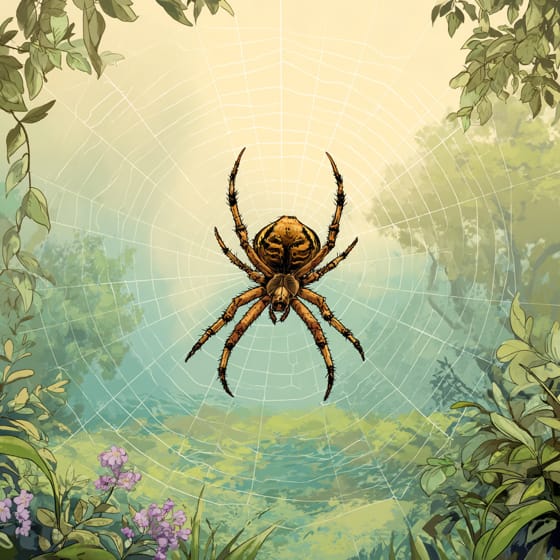
Araneus diadematus
Hunts and captures leafhoppers in its web.
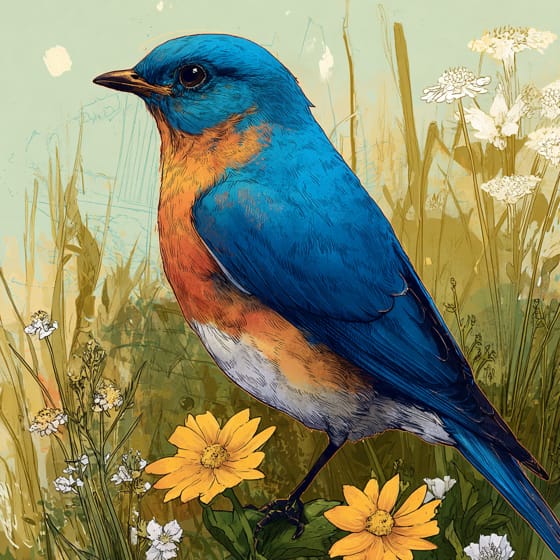
Sialia sialis
Preys on various small insects, including leafhoppers.
Solitary animals live alone for most of their lives, only interacting with others for mating or parental care.
Camouflaged describes organisms that possess coloring or patterns that allow them to blend into their environment.
Colorful describes organisms or objects displaying a wide range of bright and distinct colors.
Grassland habitats are terrestrial biomes dominated by grasses and herbaceous plants, supporting a variety of grazing animals.

This trait characterizes organisms whose diet consists entirely or primarily of plant material.

Describes plants that are particularly attractive and beneficial to a wide range of pollinating organisms.

Diurnal animals are primarily active during daylight hours, typically resting or sleeping at night.

This trait identifies organisms that exhibit exceptional swiftness in movement for hunting, escape, or travel.

Describes organisms that transfer pollen, enabling the fertilization and reproduction of plants.
No aliases listed yet.
Danger
1/5 · Very low
Leafhoppers are harmless, but it's best to observe them without touching.
The easiest way to identify Coppery Leafhopper is to use the Snappit nature identifier app.
6-10 mm
3-5 mm
30-60 days
Coppery Leafhoppers are plant-eaters that love to sip sweet sap from plant stems.
Grasslands
Foraging
6
Zoom in to split clusters and explore where this object has been snapped.
Jun 19, 2026
East Potomac ParkPhoto attribution
(c) Martin Kalfatovic, some rights reserved (CC BY)
License: CC BY 4.0 ↗
Image may be shown cropped inside the card frame.
Jun 19, 2026
East Potomac ParkPhoto attribution
(c) Martin Kalfatovic, some rights reserved (CC BY)
License: CC BY 4.0 ↗
Image may be shown cropped inside the card frame.
Jun 12, 2026
Great Falls ParkPhoto attribution
(c) Mark Richman, some rights reserved (CC BY)
License: CC BY 4.0 ↗
Image may be shown cropped inside the card frame.

Tennessee, US
You might spot House Sparrow, Northern Mockingbird, and Gulf Fritillary.
View guide →

Virginia, US
You might spot Northern Cardinal and Eastern Gray Squirrel.
View guide →

District of Columbia, US
You might spot Duck, Eastern Gray Squirrel, and House Sparrow.
View guide →

Virginia, US
You might spot Kiwi Bubbles and Eastern Skunk Cabbage.
View guide →

Ohio, US
You might spot Brown-Belted Bumble Bee and Eastern Carpenter Bee.
View guide →

District of Columbia, US
You might spot Eastern Gray Squirrel, Spotted Lanternfly, and Duck.
View guide →
Take the discovery with you
Snap it with Snappit to identify it, learn what makes it special, and add the discovery to your collection.






.jpg&width=800)



