





Creeping Bellflower
Campanula rapunculoides
The Creeping Bellflower is a pretty flower that grows close to the ground. It has lovely blue or purple bell-shaped flowers that attract bees and butterflies, making gardens more colorful and lively!
Habitat: Urban areas
The Creeping Bellflower has slender, upright stems that can reach over three feet tall, adorned with lance-shaped leaves. Its distinctive deep violet-blue, bell-shaped flowers droop in a one-sided cluster along the upper stem, making it stand out from most native wildflowers.
Category
PlantsRarity
Common
Danger
1/5 · Very low
Snaps
6
Each small flower can produce hundreds of tiny seeds, carried far by the wind!
Its edible roots taste a bit like parsnips, a yummy garden vegetable!
Its scientific name means 'like a little radish' because of its tasty roots!
Once a pretty garden flower, it escaped cultivation and now grows wild!
Creeping Bellflower can quickly spread using powerful underground stems called rhizomes that help it colonize new areas.
Creeping Bellflower has a deep, thick taproot that helps it find water and nutrients, making it tough to remove.
Creeping Bellflower produces thousands of tiny seeds annually, ensuring new plants can sprout far and wide.
Apis mellifera
Visits flowers for nectar and pollen.
Bombus impatiens
An important native pollinator.
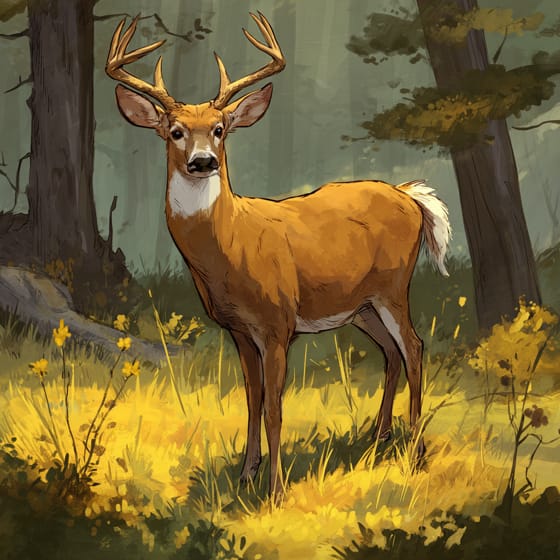
Odocoileus virginianus
Deer browse on leaves and stems.
.JPG&width=800)
Sylvilagus floridanus
Rabbits may graze on young plants.
Bell-shaped flowers possess petals fused or arranged to form a cup-like or campanulate structure resembling a bell.
Flowering plants are any plants that produce flowers as part of their reproductive cycle.
Summer blooming plants produce their flowers during the summer season, often providing vibrant color when many other plants have finished.
Fragrant flowers emit a pleasant aroma, often to attract pollinators or for defense.

Describes plants that are particularly attractive and beneficial to a wide range of pollinating organisms.

Rapid growing plants exhibit accelerated growth rates, quickly increasing in size and biomass within a short period.

This habitat trait indicates species that can coexist with humans in urban and suburban environments, utilizing man-made structures and green spaces.
No aliases listed yet.
Danger
1/5 · Very low
Always look but don't touch flowers without asking an adult.
The easiest way to identify Creeping Bellflower is to use the Snappit nature identifier app.
30-100 cm
1.5-2.5 cm
Summer to early fall
Yes
None
Perennial
Insect
Zoom in to split clusters and explore where this object has been snapped.

Illinois, US
You might spot American Robin, Canada Goose, and House Sparrow.
View guide →

Illinois, US
You might spot American Robin, Monarch, and Duck.
View guide →
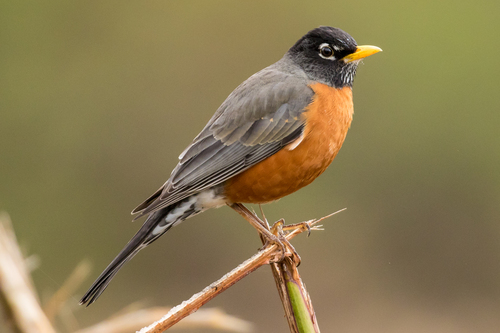
Illinois, US
You might spot American Robin, Eastern Gray Squirrel, and Canada Goose.
View guide →

Michigan, US
You might spot Yellow Lady's Slipper and Northern Whitecedar.
View guide →

Minnesota, US
You might spot African Lion, Tiger, and Snow Leopard.
View guide →

Washington, US
You might spot Duck, Common Alkanet, and Arrowleaf Balsamroot.
View guide →
Take the discovery with you
Snap it with Snappit to identify it, learn what makes it special, and add the discovery to your collection.








.jpg&width=800)


_001.jpg&width=800)




