



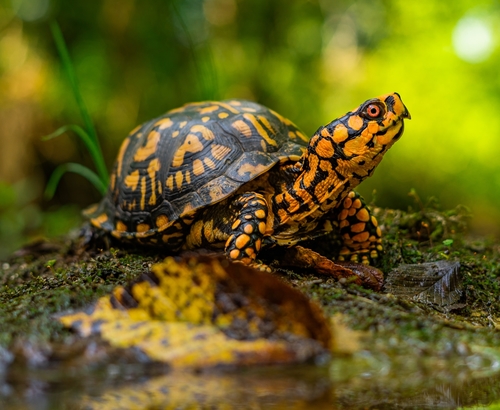
Eastern Box Turtle
Clark State Forest is Indiana's oldest state forest, a true outdoor gem.
Clark State Forest is Indiana's oldest state forest, a true outdoor gem. Covering nearly 26,000 acres, this sprawling natural area in southern Indiana offers a diverse landscape of rugged knobs, deep ravines, and scenic waterways, embodying a rich history of scientific forestry and conservation. It stands as a testament to Indiana's commitment to preserving its natural heritage and providing a sanctuary for both wildlife and outdoor enthusiasts.
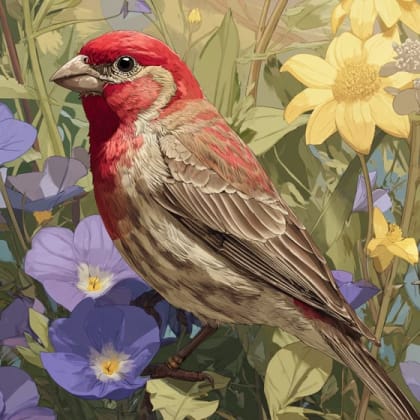
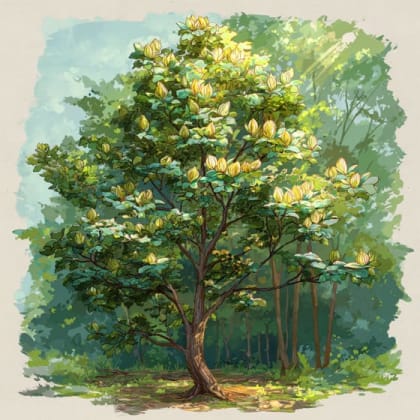
Visitors can explore an extensive network of trails, including the renowned Knobstone Trail, Indiana's longest footpath, which offers challenging backcountry hiking and breathtaking vistas. The forest is also home to four distinct nature preserves—White Oak, Virginia Pine-Chestnut Oak, Alum Cave Hollow, and Outbrook Ravine—protecting unique ecosystems and experimental tree plantings from the early 20th century. These plantings showcase over 150 different tree types, such as cucumber magnolia, black walnut, sugar maple, and tulip trees. Keep an eye out for diverse wildlife, including white-tailed deer, raccoons, red and gray foxes, wild turkeys, and Eastern box turtles, along with a variety of bird species like woodpeckers and songbirds.
Whether you seek adventure on a challenging hike, a peaceful day of fishing in one of its seven lakes, or a quiet night under the stars in its primitive campgrounds, Clark State Forest provides an unforgettable escape. Its blend of historical significance, ecological diversity, and vast recreational opportunities makes it a cherished destination for connecting with nature and experiencing the serene beauty of Indiana's wilderness. Don't miss the panoramic views from near the Henryville Fire Tower, which on clear days can even offer glimpses of the Louisville skyline. Eager to name that creature? Identify any animal you find during your visit using the Snappit app.
Clark State Forest holds the distinction of being Indiana's first state forest, established in 1903. Its creation, initially as "The State Forest Reservation and Experiment Station," was a direct response to concerns about dwindling timber supplies in the state, which threatened local woodworking industries. The initial purchase encompassed approximately 2,000 acres and was designated for forest research and as a seedling nursery. Under the guidance of botanist Charles C. Deam, who served as state forester, the forest became a living laboratory for scientific forestry. Between 1905 and 1935, over 150 different tree species were planted experimentally, many of which can still be observed today. During the Great Depression, the Works Progress Administration (WPA) further developed the forest, building artificial lakes and bridges and establishing one of Indiana's largest Civilian Conservation Corps (CCC) cantonments, contributing significantly to its infrastructure and conservation efforts. Today, the forest has grown to nearly 26,000 acres, continuing its legacy of timber management, recreation, and watershed protection.
Hiking on diverse trails, horseback riding on 70 miles of dedicated paths, mountain biking on over 20 miles of trails, fishing and electric trolling motor boating on the lakes, primitive camping, picnicking, wildlife viewing, geocaching, hunting during legal seasons, and utilizing the outdoor shooting range.
During hunting seasons (early fall to late spring), hikers and equestrians are strongly advised to wear bright orange clothing for safety. Oak Lake is typically stocked with trout in mid-to-late October. Rent-a-camp cabins are available from April 1st through mid-November.
Clark State Forest offers designated trails for disabled hunters by special permit. While campgrounds are primitive, a modern comfort station with flush toilets and showers is located in the equestrian campground and is available to all campers.
Indiana's longest footpath, offering rugged backcountry hiking experiences and stunning overlooks.
Explore the White Oak Nature Preserve Trail or the challenging terrain of the Virginia Pine-Chestnut Oak Nature Preserve. Seek out secluded waterfalls and high ridges in Alum Cave Hollow.
Cast a line in lakes like Schlamm, Franke, or Oak, which are stocked with various fish including trout, walleye, and bluegill.
Offers expansive scenic views, occasionally extending to the Louisville skyline on clear days.
Each card links to a full Explore page with photos, traits, and fun facts.
Start with the big picture, then zoom in to explore individual wildlife observations around this place.
Safety during Hunting Season
** If hiking or riding between early fall and late spring, wear highly visible hunter orange or other bright clothing.
Fishing Licenses are Required
Bring a valid Indiana fishing license if you plan to fish in any of the forest's seven lakes.
Prepare for Primitive Camping
Campgrounds are non-electric and first-come, first-served, so come prepared with all necessary supplies for a rustic experience.
Obtain Activity Permits
Horse tags are required for horseback riding, and Off-Road Cycling Permits are needed for mountain biking; these can be purchased at the forest office.
Utilize Trail Maps
With over 100 miles of trails, consult maps available at the office or online to choose routes suitable for your activity and skill level.
Leash Your Pets
All dogs must be kept on a leash in all areas of the forest for the safety of wildlife and other visitors.
May 8, 2026
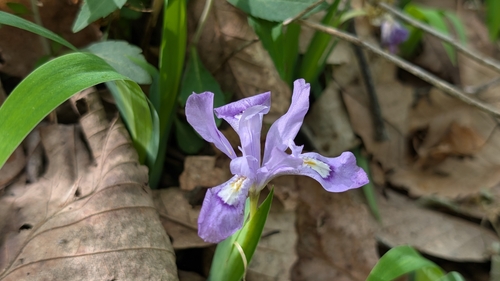
Photo attribution
(c) Peyton Phelps, some rights reserved (CC BY)
License: CC BY 4.0 ↗
Image may be shown cropped inside the card frame.
Apr 17, 2026
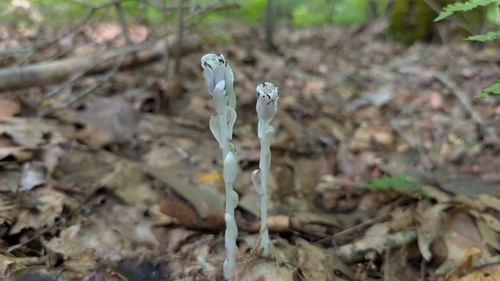
Photo attribution
(c) Peyton Phelps, some rights reserved (CC BY)
License: CC BY 4.0 ↗
Image may be shown cropped inside the card frame.
Jul 28, 2025
Photo attribution
(c) Peyton Phelps, some rights reserved (CC BY)
License: CC BY 4.0 ↗
Image may be shown cropped inside the card frame.
Mar 23, 2026
Mar 8, 2026

Maryland, US
You might spot White-Tailed Deer and Eastern Gray Squirrel.
View guide →
.jpg)
District of Columbia, US
You might spot Eastern Gray Squirrel, Duck, and House Sparrow.
View guide →

Illinois, US
You might spot American Robin, Canada Goose, and House Sparrow.
View guide →

Virginia, US
You might spot Spotted Lanternfly and Northern Cardinal.
View guide →
Take the discovery with you
Identify the wildlife you spot, learn as you go, and keep a collection of the adventure.


















_(cropped).jpg&width=800)