





Dwarf Palmetto
Sabal minor
The Dwarf Palmetto is a small palm tree that grows close to the ground. It has fan-shaped leaves and can be found in warm, sunny places. This plant is great at surviving in tough conditions!
Habitat: Coastal areas
The Dwarf Palmetto has large, rigid, fan-shaped leaves, typically dark green to blue-green, rising from a very short or often underground trunk. Its appearance is distinguished by its low growth habit, rarely exceeding head height, making it visually distinct from taller palm varieties.
Category
PlantsRarity
Common
Danger
1/5 · Very low
Snaps
9
It's one of the toughest palms, surviving icy winters far north!
Its berries turn shiny black when ripe, like little pearls!
Many tiny insects love to sip nectar from its creamy white flowers.
Native Americans once used its fibers to weave strong fishing nets!
Dwarf Palmetto can survive freezing temperatures that would kill most palms, helping it thrive in colder climates.
Dwarf Palmetto has roots that can withstand periods of flooding, helping it survive in swampy areas.
Dwarf Palmetto often grows its trunk underground, helping it protect itself from fires and extreme weather.
Apis mellifera
Nectar provides energy
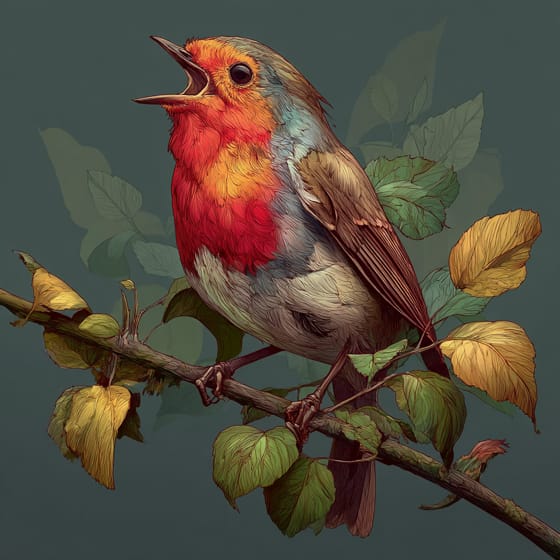
Turdus migratorius
Feeds on ripe black berries

Procyon lotor
Enjoys eating the sweet fruit

Odocoileus virginianus
Browses on its young leaves
A shrub is a woody plant smaller than a tree, typically with multiple stems branching from or near the ground.
Evergreen plants retain their foliage throughout the year, never shedding all their leaves at once.
Medicinal plants possess chemical compounds that can be used for therapeutic purposes to treat illnesses or maintain health.
Drought-tolerant plants can survive and flourish in conditions with limited water availability.

This human use trait identifies species that yield natural fibers, used by humans for textiles, rope, paper, and other manufactured goods.

Describes plants that are particularly attractive and beneficial to a wide range of pollinating organisms.

This trait characterizes organisms with an exceptionally long lifespan compared to others of their kind.

Coastal habitats are dynamic environments located along the interface between land and sea, influenced by tides, waves, and saltwater.
No aliases listed yet.
Danger
1/5 · Very low
Always look but don't touch the leaves too hard, as they can be sharp.
The easiest way to identify Dwarf Palmetto is to use the Snappit nature identifier app.
100-300 cm
150-250 cm
0.5-1 cm
Late Spring to Early Summer
Yes
None
Perennial
Zoom in to split clusters and explore where this object has been snapped.

Louisiana, US
You might spot Rough Horsetail, Northern Mockingbird, and Anole.
View guide →
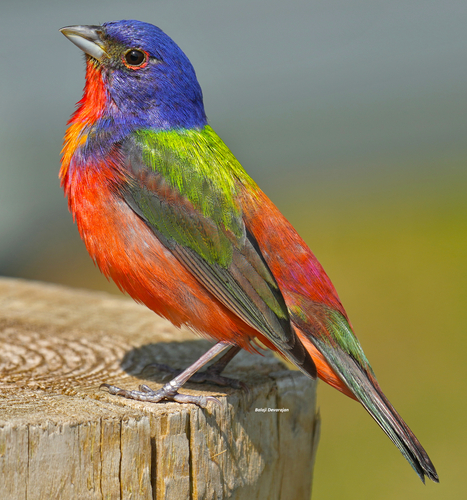
Louisiana, US
You might spot Painted Bunting, Dwarf Palmetto, and Aquatic Milkweed.
View guide →

Alabama, US
You might spot Dwarf Palmetto and Sensitive Fern.
View guide →

Mississippi, US
You might spot Gulf Fritillary, Gray Ratsnake, and Spotted Orbweavers.
View guide →

South Carolina, US
You might spot Northern Cottonmouth and Brown Watersnake.
View guide →

South Carolina, US
You might spot Gulf Fritillary, Admiral Butterfly, and Cypress Vine.
View guide →
Take the discovery with you
Snap it with Snappit to identify it, learn what makes it special, and add the discovery to your collection.









.jpg&width=800)



_001.jpg&width=800)


