





Eastern Glass Lizard
Ophisaurus ventralis
The Eastern Glass Lizard looks like a snake but is actually a lizard! It has a long, smooth body and can lose its tail to escape from predators, which will grow back later.
Habitat: Grasslands
The Eastern Glass Lizard has a long, slender, legless body that ranges from yellowish to brown, often with faint dark stripes. It features movable eyelids, small ear openings, and a distinct lateral groove along its sides, differentiating it from a snake.
Category
ReptilesRarity
Common
Danger
1/5 · Very low
Snaps
4
Its tail can break into many pieces, earning it the name 'glass lizard'!
Their bodies are stiff, unable to swallow prey much larger than their heads.
They have movable eyelids and ear openings, unlike most snakes.
This legless lizard is not venomous and poses no danger to people!
Eastern Glass Lizard can shed its long, fragile tail when threatened, creating a diversion that helps them escape predators.
Eastern Glass Lizard has tiny external ear openings that help them detect sounds, unlike most snakes which lack them.
Eastern Glass Lizard has movable eyelids, allowing them to blink and protect their eyes, a feature snakes do not possess.
They are carnivores that munch on insects, spiders, and even small lizards and rodents.
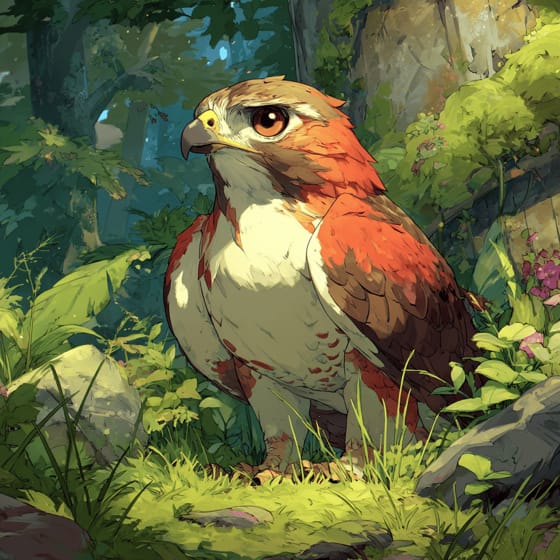
Buteo jamaicensis
A common avian predator in its range.

Coluber constrictor
This snake preys on other reptiles and lizards.
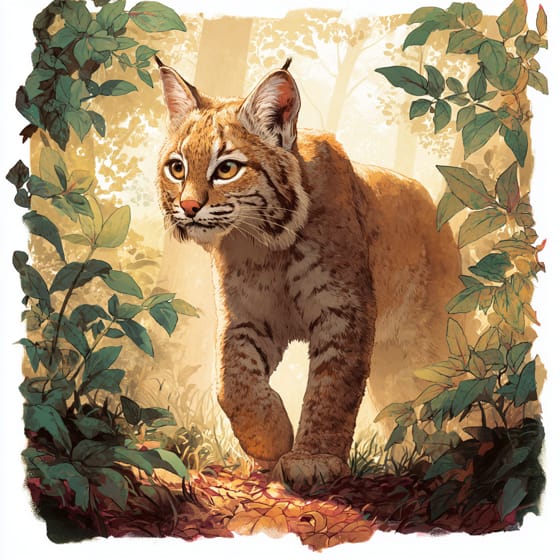
Lynx rufus
A versatile mammal predator of small vertebrates.
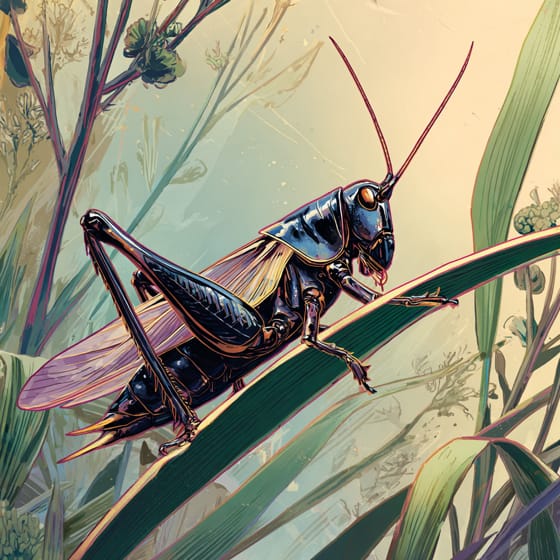
Gryllus assimilis
A primary insect food source.
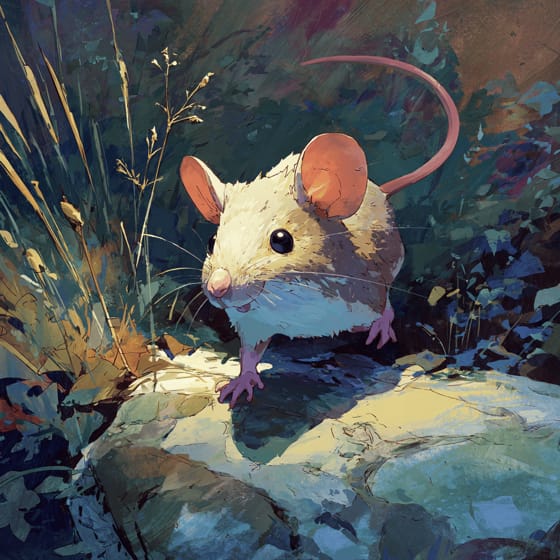
Mus musculus
Occasionally preys on small rodents.
Solitary animals live alone for most of their lives, only interacting with others for mating or parental care.
Grassland habitats are terrestrial biomes dominated by grasses and herbaceous plants, supporting a variety of grazing animals.
This trait identifies organisms whose diet primarily consists of insects and other small invertebrates.
This trait identifies organisms whose diet consists entirely or primarily of animal tissue.

Diurnal animals are primarily active during daylight hours, typically resting or sleeping at night.
Regenerative organisms possess the ability to regrow lost or damaged body parts, tissues, or organs.
Danger
1/5 · Very low
If you see a lizard, watch it from a distance and don't try to touch it.
The easiest way to identify Eastern Glass Lizard is to use the Snappit nature identifier app.
46-108 cm
0.1-0.5 kg
8-15 years
12 km/h
They are carnivores that munch on insects, spiders, and even small lizards and rodents.
Grasslands
Foraging
Zoom in to split clusters and explore where this object has been snapped.
Florida, US
You might spot Gorilla and Reticulated Giraffe.
View guide →

Georgia, US
You might spot Spanish Moss, Anole, and Resurrection Fern.
View guide →
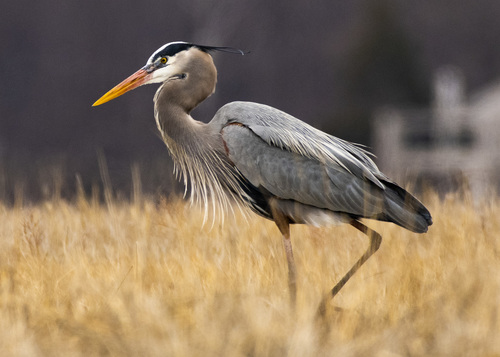
Georgia, US
You might spot Great Blue Heron and Double-Crested Cormorant.
View guide →

South Carolina, US
You might spot Northern Mockingbird, Yaupon Holly, and Heavenly Bamboo.
View guide →

Georgia, US
You might spot Bay-Breasted Warbler and Eastern Diamondback Rattlesnake.
View guide →

Florida, US
You might spot False Rosemary, Willet, and Florida Rosemary.
View guide →
Take the discovery with you
Snap it with Snappit to identify it, learn what makes it special, and add the discovery to your collection.














