





Eurasian Wigeon
Mareca penelope
The Eurasian Wigeon is a beautiful duck with a striking reddish-brown head and a white forehead. These ducks love to swim in lakes and rivers, where they search for tasty plants to eat.
Habitat: Wetlands
The Eurasian Wigeon male has a striking chestnut-coloured head with a creamy-yellow stripe on its forehead, a grey body, and a pinkish breast. Females are mottled brown, making them harder to spot. Both have a small, distinctive sky-blue bill with a black tip.
Category
BirdsRarity
Common
Danger
1/5 · Very low
Snaps
1
During winter, thousands of Eurasian Wigeons can gather in huge noisy flocks!
Their name "wigeon" comes from an old word meaning "whistling duck"!
These ducks don't usually dive for food; they prefer to graze on land!
They sometimes follow swans to eat bits of plants that float to the surface!
Eurasian Wigeon can efficiently eat tough grasses because of their strong bill, helping them get energy from plants.
Eurasian Wigeon has a unique 'whee-oo' whistle call that helps them communicate clearly over long distances with their flock.
Eurasian Wigeon sometimes steals food from other diving birds, helping them save energy by not having to dive themselves.
These ducks are mostly vegetarians, munching on grasses and aquatic plants from the surface.

Zostera marina
A favorite food source in coastal wintering areas.

Poa pratensis
Feeds on tender blades of this common grass.

Haliaeetus albicilla
A powerful raptor that preys on adult ducks.
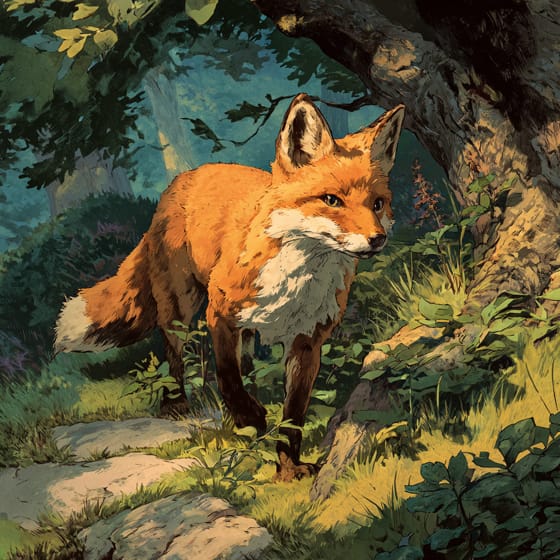
Vulpes vulpes
Predator of eggs, ducklings, and sometimes adult ducks.
Feathered describes animals, primarily birds, possessing a covering of feathers.
Characterized by having toes connected by a membrane, typically aiding in swimming.
Social animals live in organized groups, cooperating for survival benefits such as foraging, defense, and raising offspring.
Singing animals produce complex vocalizations, often for purposes of attracting mates, defending territory, or communicating within their species.

Colorful describes organisms or objects displaying a wide range of bright and distinct colors.

Filter feeders obtain nutrients by straining suspended food particles and small organisms from water.

This trait characterizes organisms whose diet consists entirely or primarily of plant material.

This habitat trait identifies species found in wetlands, which are areas of land saturated with water, either permanently or seasonally, including marshes, swamps, and bogs.

Migratory animals undertake seasonal movements from one region to another, typically in response to changes in climate or food availability.
Danger
1/5 · Very low
Always watch ducks from a distance and don't feed them bread.
The easiest way to identify Eurasian Wigeon is to use the Snappit nature identifier app.
42-59 cm
71-80 cm
0.5-1.07 kg
2-18 years
100 km/h
These ducks are mostly vegetarians, munching on grasses and aquatic plants from the surface.
Wetlands
Zoom in to split clusters and explore where this object has been snapped.

New York, US
You might spot Common Eastern Bumble Bee and American Robin.
View guide →

Washington, US
You might spot Duck, American Wigeon, and Ring-Billed Gull.
View guide →
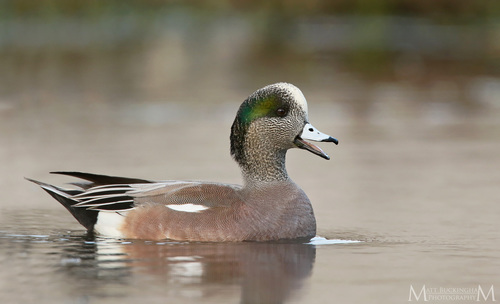
Washington, US
You might spot American Wigeon and Madrone Skin Miner.
View guide →
Take the discovery with you
Snap it with Snappit to identify it, learn what makes it special, and add the discovery to your collection.




.jpg&width=800)







