.jpg&width=800)





evergreen sumac
Rhus virens
Evergreen sumac is a green shrub that stays leafy all year round! It has small, tasty berries that many animals love to eat. This plant can grow tall and is great for making gardens beautiful.
Habitat: Desert
The evergreen sumac has glossy, dark green leaves that stay vibrant all year. Its branches often display a reddish tint, contrasting with the foliage. In fall and winter, it's adorned with dense clusters of fuzzy, reddish-brown berries.
Category
PlantsRarity
Common
Danger
1/5 · Very low
Snaps
2
Ancient people sometimes used parts of sumac plants for dyeing fabrics.
Its tart berries can be steeped in water to create a refreshing, lemonade-like drink!
The fuzzy berries get their sour taste from malic acid, just like apples!
This tough plant can thrive in rocky soils where many other plants give up.
Evergreen sumac has persistent berries that stay on the plant through winter, helping to feed hungry birds.
Evergreen sumac has strong, spreading roots that hold soil in place, preventing it from washing away.
Evergreen sumac keeps its tough, waxy leaves all year, allowing it to photosynthesize even in cooler months.
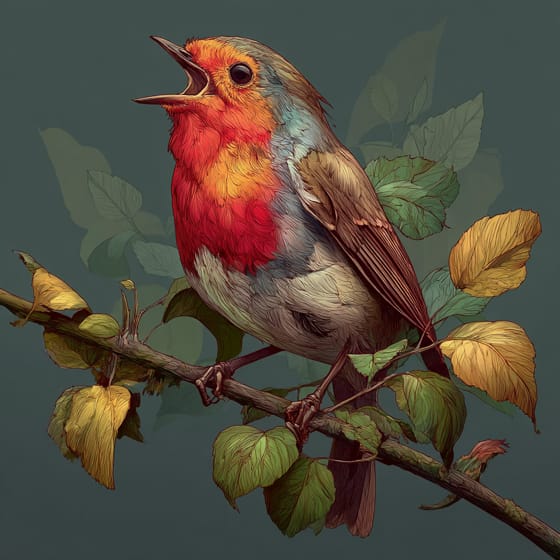
Turdus migratorius
Robins feast on its persistent berries in winter.
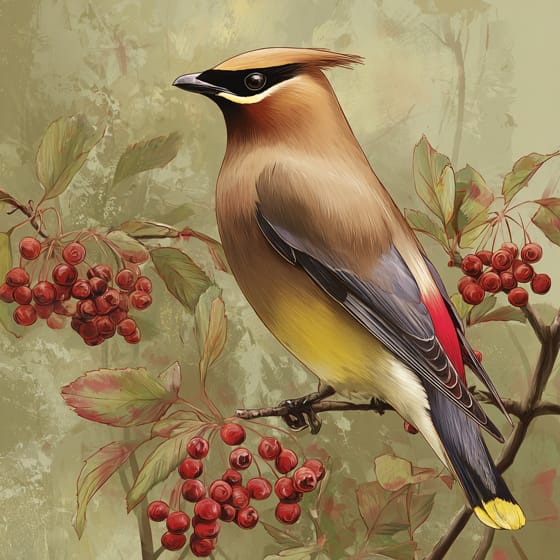
Bombycilla cedrorum
Waxwings are drawn to its fruit clusters for winter meals.
Apis mellifera
Honey bees visit its small flowers for nectar and pollen.
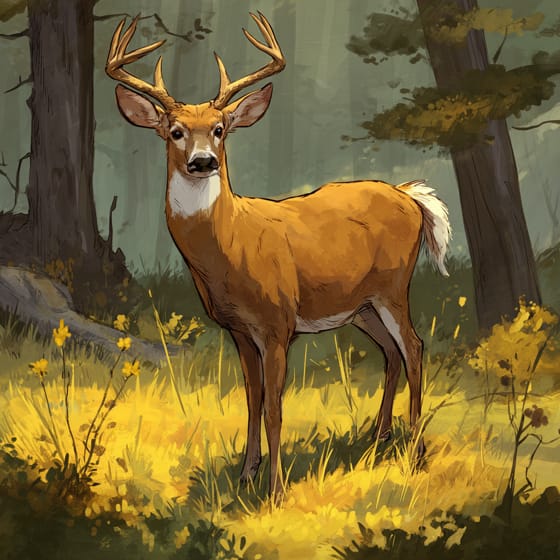
Odocoileus virginianus
Deer may browse its leaves, especially when food is scarce.
Ornamental plants are cultivated primarily for their aesthetic appeal, enhancing landscapes and gardens with their attractive foliage, flowers, or form.
A shrub is a woody plant smaller than a tree, typically with multiple stems branching from or near the ground.
Evergreen plants retain their foliage throughout the year, never shedding all their leaves at once.
Fruit-bearing plants produce fruits, which are the mature ovaries of flowering plants containing seeds.

Drought-tolerant plants can survive and flourish in conditions with limited water availability.

Edible plants are those parts of a plant that are considered safe for human consumption.

Describes plants that are particularly attractive and beneficial to a wide range of pollinating organisms.

Desert habitats are arid regions characterized by extremely low precipitation and often extreme temperatures, supporting specialized flora and fauna.

Describes a species whose presence and role have a disproportionately large effect on its environment.
No aliases listed yet.
Danger
1/5 · Very low
Always look but don't touch the berries unless an adult says it's okay!
The easiest way to identify evergreen sumac is to use the Snappit nature identifier app.
200-500 cm
0.2-0.5 cm
Late spring-early summer
Yes
None
Perennial
Insect
Zoom in to split clusters and explore where this object has been snapped.

Arizona, US
You might spot Rainbow Hedgehog Cactus and Red-Tailed Hawk.
View guide →

Texas, US
You might spot Queen, Texas Spiny Lizard, and Antelopehorn Milkweed.
View guide →

Texas, US
You might spot Evergreen Sumac, Lindheimer's Silktassel, and Ashe Juniper.
View guide →
Take the discovery with you
Snap it with Snappit to identify it, learn what makes it special, and add the discovery to your collection.









.jpg&width=800)



_001.jpg&width=800)


