





Florida panther
Puma concolor coryi
The Florida panther is a big cat that lives in the swamps and forests of Florida. With its sleek body and long tail, it is a powerful hunter and an important part of the ecosystem.
Habitat: Wetlands
The Florida panther is a tawny-brown cat with a creamy white belly, and distinctive black markings on the backs of its ears and tail tip. It has longer legs and a smaller head compared to other cougars, often with a unique cowlick of fur on its back.
Category
MammalsRarity
Rare
Danger
4/5 · High
Snaps
Be the first to snap!
Baby Florida panthers are born with adorable spots that help them hide, which fade as they grow!
Each Florida panther has a unique 'cowlick' of fur on its back, like a special hair swirl!
They use their extra-long tail as a super balancing tool when chasing prey or jumping far distances.
Unlike big roaring cats, Florida panthers can purr, but they also make chirps and whistles!
Florida panthers can stalk silently through dense vegetation, helping them ambush unsuspecting prey with a powerful pounce.
This panther has excellent eyesight and hearing, allowing it to hunt effectively under the cover of darkness.
Florida panthers can climb trees to rest, escape danger, or even ambush prey from above.
These powerful hunters stalk and ambush deer, wild hogs, and other smaller animals like raccoons.
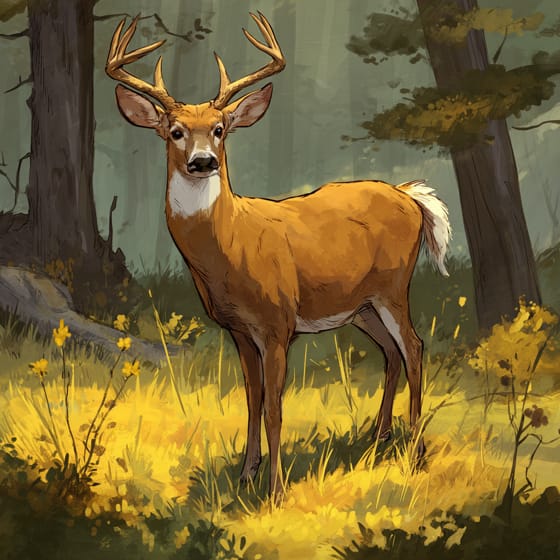
Odocoileus virginianus
A primary food source, providing essential nutrition for panthers.
Sus scrofa
Panthers frequently prey on these invasive animals in their habitat.

Procyon lotor
A common smaller prey item, especially when larger prey is scarce.
Dasypus novemcinctus
Panthers will opportunistically hunt armadillos.
Furry describes animals possessing a dense covering of soft hair or fur.
Marked with spots or patches of a different color.
Solitary animals live alone for most of their lives, only interacting with others for mating or parental care.
An ambush predator hunts by patiently waiting and concealing itself, then launching a sudden attack when unsuspecting prey comes within range.

Forest habitats are terrestrial environments dominated by dense tree cover, supporting a high diversity of plant and animal life.

This habitat trait identifies species found in wetlands, which are areas of land saturated with water, either permanently or seasonally, including marshes, swamps, and bogs.

This trait identifies organisms whose diet consists entirely or primarily of animal tissue.

Describes a species whose presence and role have a disproportionately large effect on its environment.

This trait identifies organisms that exhibit exceptional swiftness in movement for hunting, escape, or travel.

Nocturnal animals are primarily active during the nighttime hours, typically resting or sleeping during the day.

Endangered status indicates a species is at a very high risk of extinction in the wild in the near future.
Danger
4/5 · High
If you see a panther in the wild, stay calm and keep your distance. They are wild animals and should not be approached.
The easiest way to identify Florida panther is to use the Snappit nature identifier app.
180-230 cm
30-70 kg
10-15 years
65 km/h
These powerful hunters stalk and ambush deer, wild hogs, and other smaller animals like raccoons.
Wetlands
Ambush
Zoom in to split clusters and explore where this object has been snapped.
Recent snaps will appear here as new observations are added.
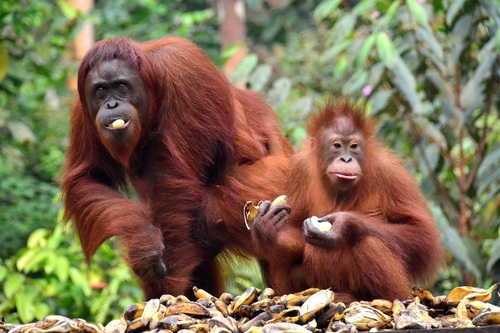
Florida, US
You might spot Bornean Orangutan, Tiger, and Asian Elephant.
View guide →
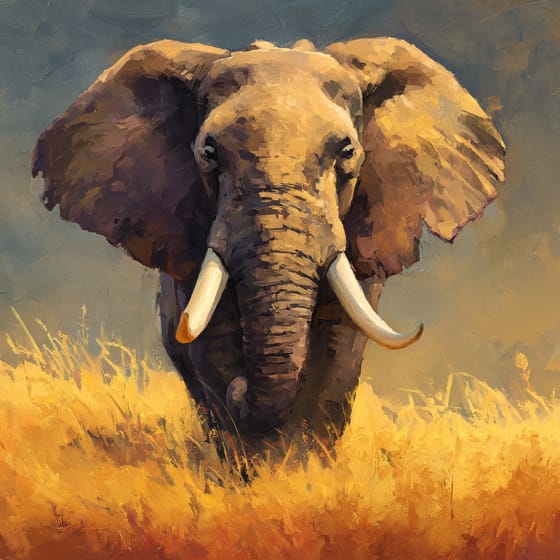
Florida, US
You might spot African Elephant, Bornean Orangutan, and Tiger.
View guide →
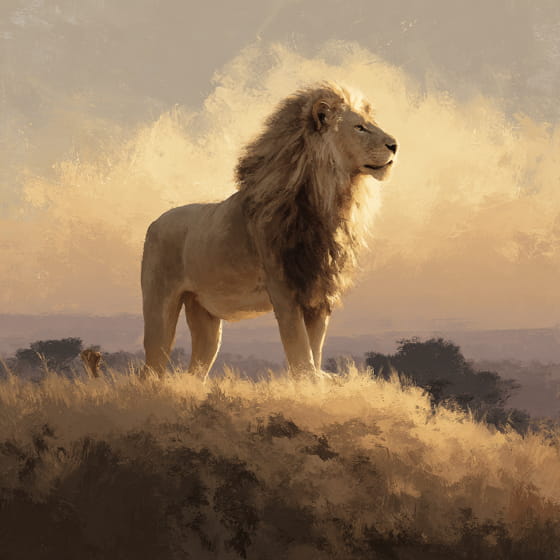
Florida, US
You might spot African Lion, Reticulated Giraffe, and Florida Panther.
View guide →
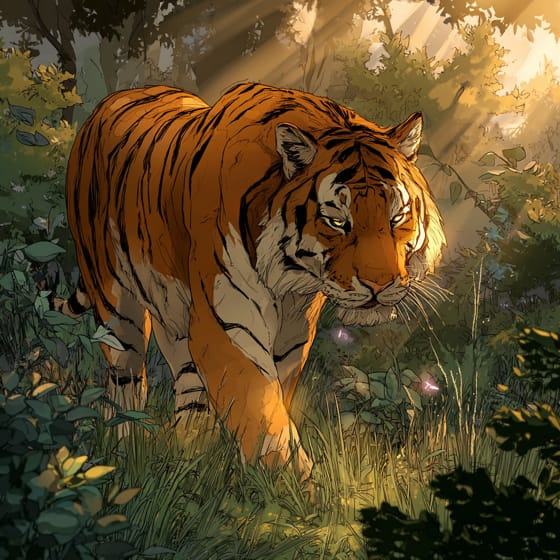
Florida, US
You might spot Tiger, Jaguar, and Florida Panther.
View guide →
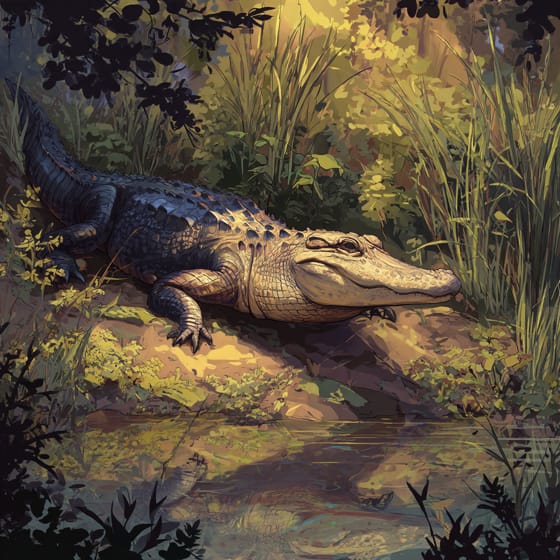
Florida, US
You might spot American Alligator, Crocodile, and Caiman.
View guide →
California, US
You might spot African Lion, Tiger, and Leopard.
View guide →
Take the discovery with you
Snap it with Snappit to identify it, learn what makes it special, and add the discovery to your collection.




.jpg&width=800)



.JPG&width=800)



.jpg&width=800)
