





Greater Scaup
Aythya marila
The Greater Scaup is a beautiful duck that loves to swim in lakes and ponds. They have a striking green head and a round body, making them easy to spot when they are floating on the water.
Habitat: Wetlands
The Greater Scaup is a medium-sized diving duck. Males have a glossy black head that often shines purple or green in light, a grey back, and bright white sides. Females are brown with a distinctive white patch at the base of their bill.
Category
BirdsRarity
Common
Danger
1/5 · Very low
Snaps
1
A Greater Scaup can hold its breath for over a minute while diving deep to find tasty snacks!
Greater Scaup often gather in enormous flocks called 'rafts' on the water, sometimes numbering thousands!
Their striking golden-yellow eyes glow brightly, helping them see clearly both above and below the water.
They are sometimes called 'bluebills' because of the subtle bluish tint on their wide, shovel-like bills.
Greater Scaup can dive to surprising depths because of their dense bodies and strong leg muscles that help them chase underwater prey.
Greater Scaup has excellent underwater vision that helps them spot hidden mussels and other food in murky waters.
Greater Scaup can fly thousands of kilometers due to their powerful wings, helping them find warm wintering grounds.
These ducks love to feast on shellfish and aquatic insects found underwater!
Age differences: Young scaup eat more aquatic insects; adults consume more mollusks and crustaceans.
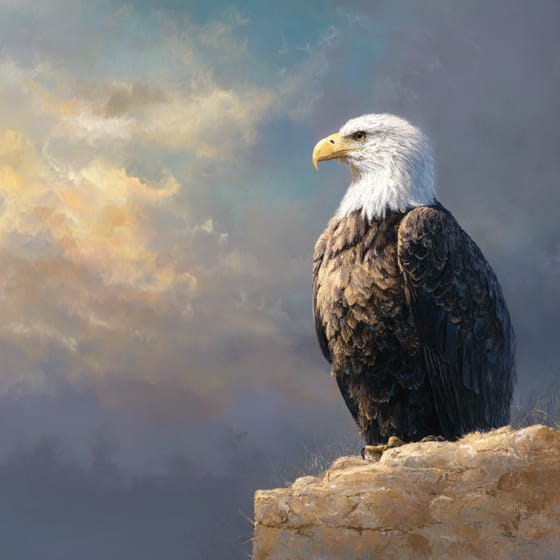
Haliaeetus leucocephalus
Adults can be preyed upon by this large raptor.
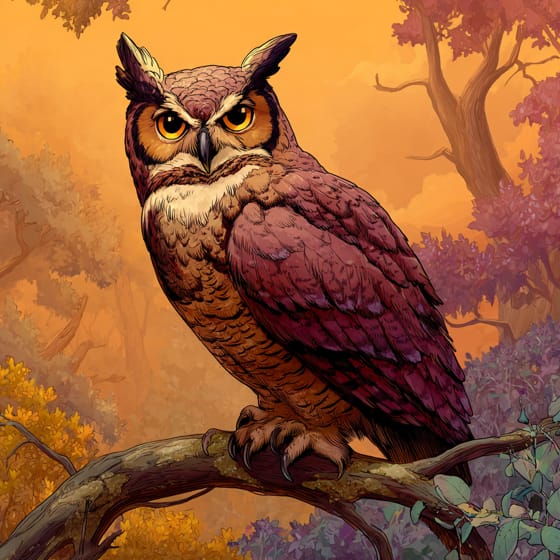
Bubo virginianus
Ducklings and sometimes adults are vulnerable to this nocturnal hunter.
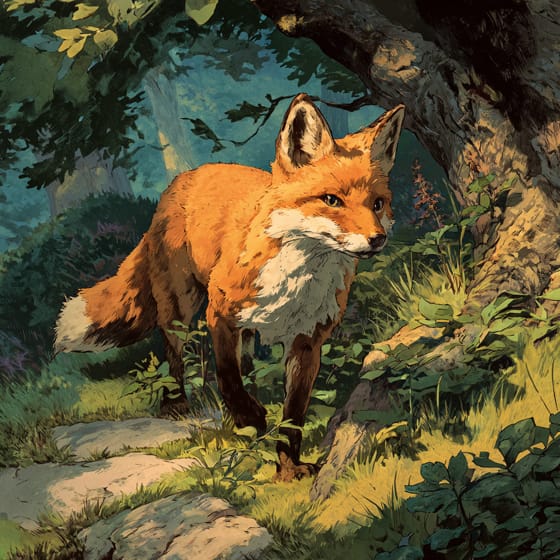
Vulpes vulpes
Nests and eggs are often targeted by opportunistic predators.

Mytilus edulis
A primary food source, often consumed in large quantities.
Feathered describes animals, primarily birds, possessing a covering of feathers.
Social animals live in organized groups, cooperating for survival benefits such as foraging, defense, and raising offspring.
This trait identifies organisms whose diet includes both plant and animal matter.
Colorful describes organisms or objects displaying a wide range of bright and distinct colors.

Filter feeders obtain nutrients by straining suspended food particles and small organisms from water.

This habitat trait identifies species found in wetlands, which are areas of land saturated with water, either permanently or seasonally, including marshes, swamps, and bogs.

Diurnal animals are primarily active during daylight hours, typically resting or sleeping at night.

Freshwater habitats include non-saline aquatic environments such as rivers, lakes, ponds, and wetlands, vital for numerous species.

Describes a species whose presence and role have a disproportionately large effect on its environment.

Aquatic habitats encompass environments where organisms live predominantly in water, including oceans, rivers, lakes, and wetlands.

Migratory animals undertake seasonal movements from one region to another, typically in response to changes in climate or food availability.
Danger
1/5 · Very low
Always watch ducks from a distance and do not feed them bread.
The easiest way to identify Greater Scaup is to use the Snappit nature identifier app.
42-51 cm
71-84 cm
0.7-1.3 kg
10-15 years
80 km/h
These ducks love to feast on shellfish and aquatic insects found underwater!
Wetlands
Zoom in to split clusters and explore where this object has been snapped.
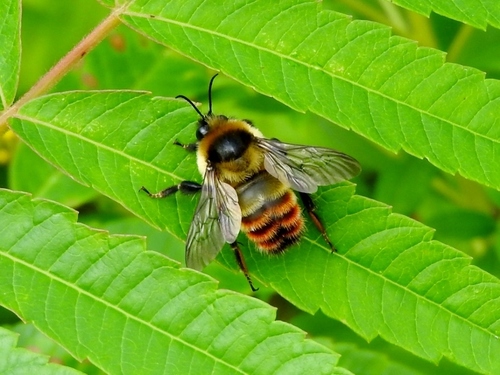
Wisconsin, US
You might spot Red-Belted Bumble Bee, Red-Breasted Merganser, and Duck.
View guide →
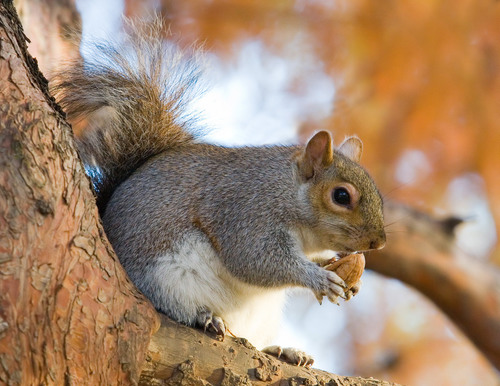
New York, US
You might spot Eastern Gray Squirrel, Snow Goose, and Great Blue Heron.
View guide →

Illinois, US
You might spot Great Blue Heron and American Herring Gull.
View guide →

British Columbia, CA
You might spot Greater Yellowlegs and Glaucous-Winged Gull.
View guide →
Take the discovery with you
Snap it with Snappit to identify it, learn what makes it special, and add the discovery to your collection.




.jpg&width=800)







