Great Blue Heron
Jackson Park, nestled along the picturesque shores of Lake Michigan in Chicago, Illinois, is a sprawling 551.
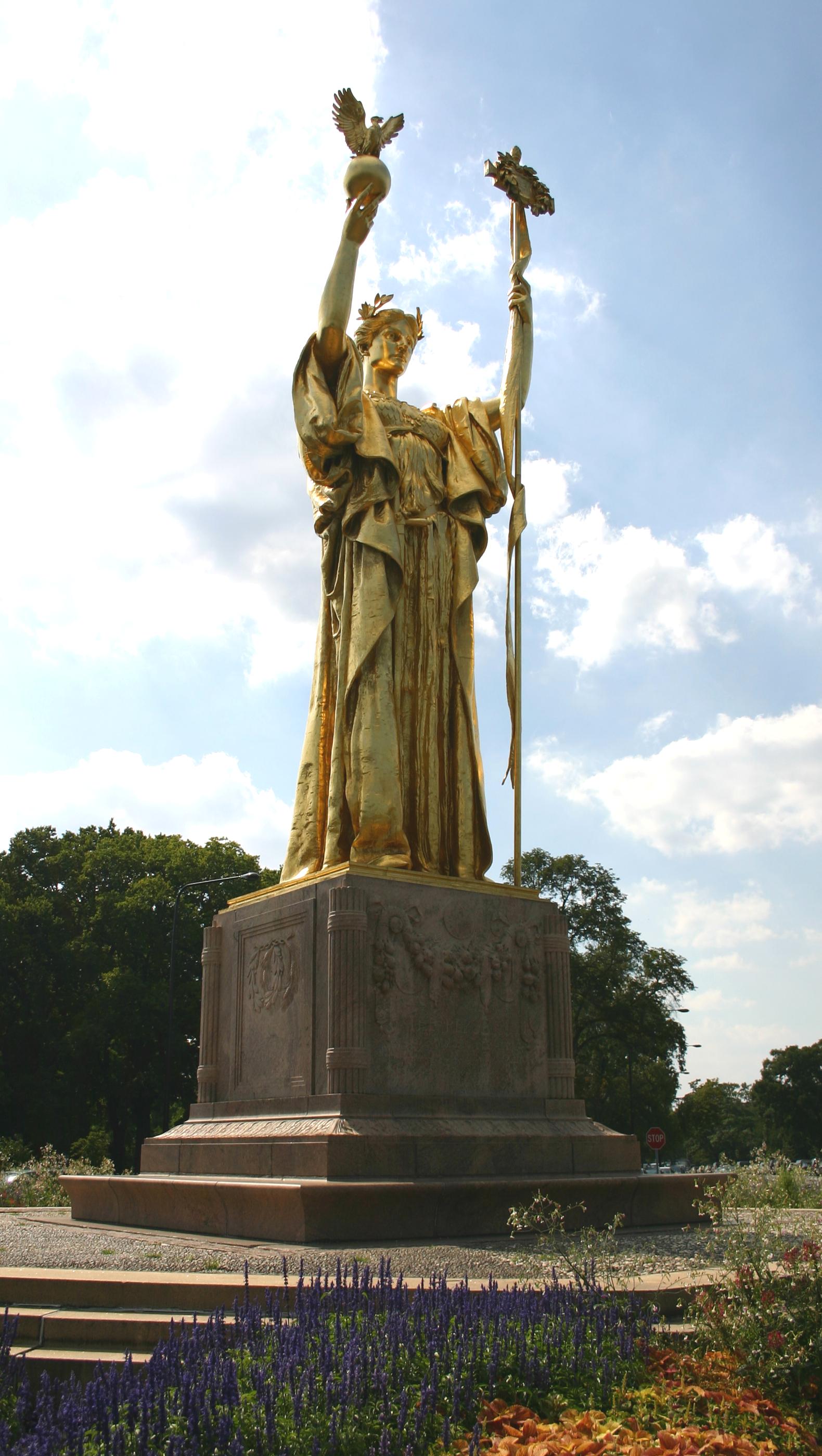
Jackson Park, nestled along the picturesque shores of Lake Michigan in Chicago, Illinois, is a sprawling 551.52-acre urban oasis designed by the visionary landscape architects Frederick Law Olmsted and Calvert Vaux. More than just a park, it's a living tapestry of history, culture, and nature, offering a serene escape from the urban bustle. Renowned for its rich biodiversity, Jackson Park provides a vital habitat for a multitude of species, making it a beloved destination for nature enthusiasts and a tranquil haven for families seeking both recreation and reflection.
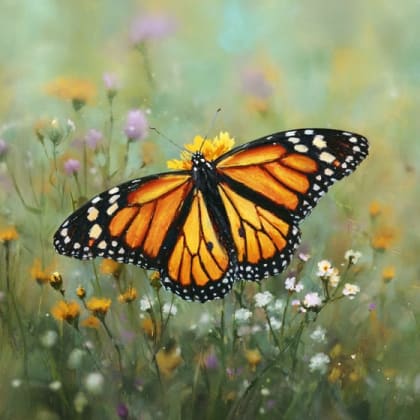
The park's diverse landscapes are home to numerous captivating features. The iconic Wooded Island, a designated nature sanctuary, boasts the serene Osaka Garden (formerly the Japanese Garden) with its koi pond, and is a world-class destination for birdwatchers, attracting over 250 different species. Visitors can often spot Great Blue Herons, Black-crowned Night Herons, and Wood Ducks gracefully navigating the lagoons, while the trees might reveal the vibrant flash of a Northern Cardinal. Beyond its avian residents, the park's meadows and wooded areas are frequented by Monarch butterflies, Eastern Gray Squirrels, Common Raccoons, and Eastern Chipmunks, providing ample opportunities for wildlife observation and photography.
Jackson Park offers an unforgettable experience, blending natural beauty with historical significance and modern development, including the forthcoming Obama Presidential Center. Its tranquil lagoons, expansive green spaces, and vibrant wildlife make it a truly memorable place to explore. Whether you're seeking a peaceful stroll amidst cherry blossoms in spring, an engaging birdwatching excursion, or simply a place to relax and connect with nature, Jackson Park provides a captivating backdrop for creating lasting memories. Eager to name that creature? Identify any animal you find during your visit using the Snappit app.
Jackson Park's origins trace back to 1869 when the South Park Commission was established, leading to renowned landscape architects Frederick Law Olmsted and Calvert Vaux being hired to design a vast park system. Originally known as Lake Park, it was renamed Jackson Park in 1880 to honor Andrew Jackson, the seventh U.S. President. The park gained international fame when it was selected as the site for the 1893 World's Columbian Exposition. Olmsted, along with architect Daniel H. Burnham, transformed the landscape into the magnificent "White City" for the fair. Following the exposition, the park was redeveloped, retaining elements like the Wooded Island and the foundation of what would become the Museum of Science and Industry (originally the Fine Arts Palace). Throughout the years, Jackson Park has undergone various rehabilitations, including significant habitat restoration efforts to enhance its green spaces and wildlife. More recently, the park was chosen as the location for the Obama Presidential Center, further cementing its historical and cultural significance as a dynamic public space.
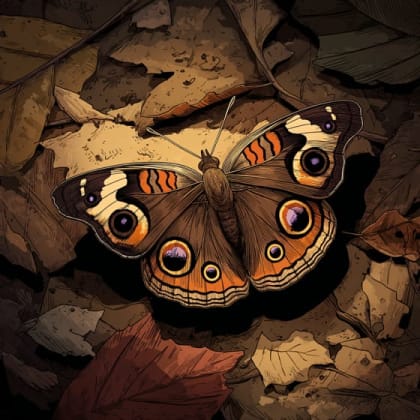
Go birdwatching, enjoy scenic walks and bike rides along the Lakefront Trail, picnic, visit the Osaka Garden, relax at 63rd Street Beach, play golf, or explore the developing Obama Presidential Center campus. You can also look for diverse species like the colorful Monarch butterfly or the striking Pearl Crescent.
Spring: Cherry blossoms (typically late April to early May), influx of migratory birds.
Summer: Beach season, outdoor sports, potential for summer events and festivals.
Fall: Peak bird migration, vibrant fall foliage.
Winter: Opportunities for quiet walks and possibly sledding on the Obama Presidential Center's Great Lawn.
Jackson Park offers wide paved, crushed-gravel, or wood-chip trails that are relatively level with minimal incline, suitable for wheelchairs in many areas. Divvy bike share stations are available near the park, and public transit provides access. Accessible parking is also available, including at the Obama Presidential Center's garage. However, some comfort stations may be temporarily inaccessible due to ongoing construction.
A tranquil escape and prime birdwatching spot, featuring Yoko Ono's "Skylanding" sculpture.
Excellent for spotting waterfowl like Mallards, Canada Geese, and various herons.
A popular spot for recreation and views of Lake Michigan.
An 18-hole course with mature hardwood trees.
Each card links to a full Explore page with photos, traits, and fun facts.
Start with the big picture, then zoom in to explore individual wildlife observations around this place.
Bring binoculars
For an enhanced experience, especially when birdwatching on Wooded Island or around the lagoons, binoculars will help you spot elusive species like the Green Heron or Common Goldeneye.
Check cherry blossom status
If visiting in spring, inquire about the cherry blossom bloom schedule for the best viewing opportunities around the Columbian Basin.
Wear comfortable footwear
Many trails are paved or crushed-gravel, but exploring the full extent of the park, including the Wooded Island, involves significant walking.
Consider public transport or early parking: While metered parking is available, especially near the Museum of Science and Industry and the Obama Presidential Center, public transportation (CTA buses, Metra Electric) is a convenient option. Parking spots can fill up, especially on weekends.
Explore Wooded Island
Don't miss this unique area for its tranquil beauty, the Osaka Garden, and excellent birding opportunities. Keep an eye out for Muskrats in the surrounding lagoons.
Pack essentials
Bring water, snacks, sunscreen, and a hat, particularly during warmer months, as the park offers expansive open areas.
Jan 24, 2026
Jan 24, 2026
Jan 21, 2026
Jan 21, 2026
Jan 21, 2026

Maryland, US
You might spot White-Tailed Deer and Eastern Gray Squirrel.
View guide →
.jpg)
District of Columbia, US
You might spot Eastern Gray Squirrel, Duck, and House Sparrow.
View guide →

Illinois, US
You might spot American Robin, Canada Goose, and House Sparrow.
View guide →

Virginia, US
You might spot Spotted Lanternfly and Northern Cardinal.
View guide →
Take the discovery with you
Identify the wildlife you spot, learn as you go, and keep a collection of the adventure.