.jpg&width=800)





Greater Short-horned Lizard
Phrynosoma hernandesi
The Greater Short-horned Lizard is a small, spiky lizard that loves to bask in the sun. It can change colors to blend in with its surroundings, making it a great little hide-and-seek player in the wild!
Habitat: Desert
The Greater Short-horned Lizard is a flat-bodied reptile with a spiky appearance, featuring a row of short, horn-like spines on its head. Its skin is typically mottled brown, grey, or tan, often with darker blotches, providing excellent camouflage against rocky or sandy ground.
Category
ReptilesRarity
Common
Danger
1/5 · Very low
Snaps
10
Its 'horns' are actually modified scales, not true horns like on a bull.
They can survive freezing temperatures by burying themselves in the soil!
They use a special glue-like substance on their tongue to catch ants!
Unlike most lizards, this species gives birth to live babies, not eggs!
Greater Short-horned Lizards can squirt a stream of blood from their eyes that helps them scare away predators like coyotes.
Greater Short-horned Lizards have sharp, bony spines all over their body that helps them become a prickly, tough meal for predators.
Greater Short-horned Lizards have mottled skin colors and a flat body that helps them blend perfectly into their surroundings.
Tiny hunters, they mainly feast on ants, gulping them down with their specialized tongue!

Pogonomyrmex occidentalis
A main food source, caught with a sticky tongue.
Formica fusca
Common ant species preyed upon by the lizard.
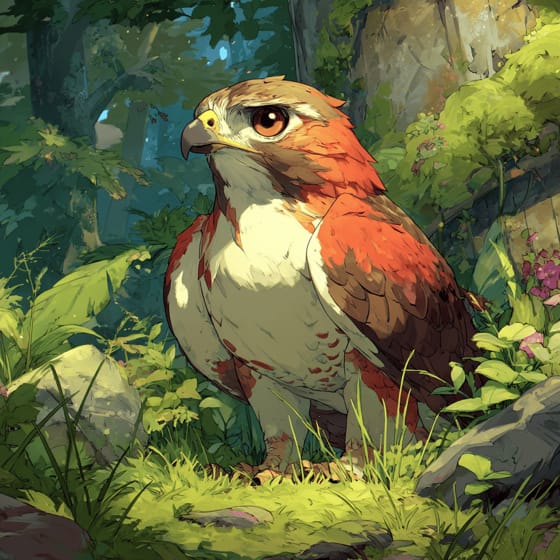
Buteo jamaicensis
A common avian predator hunting from the sky.
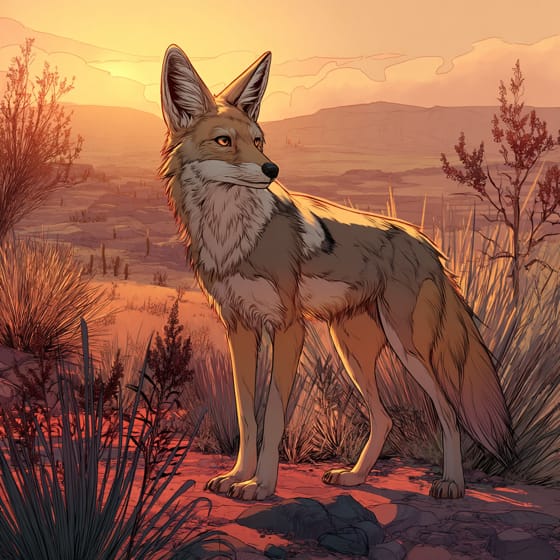
Canis latrans
Mammalian predator that hunts them on the ground.
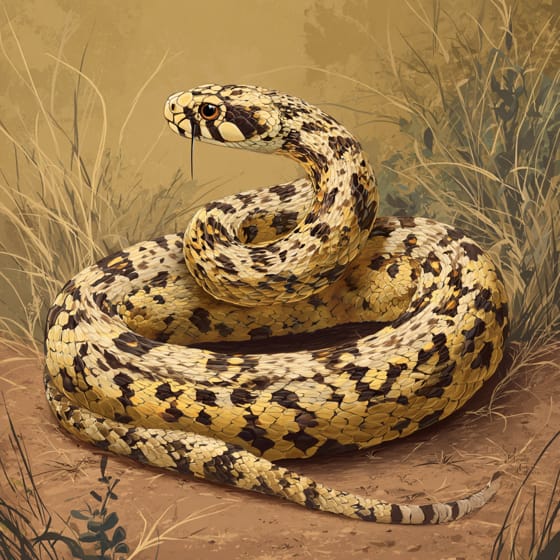
Pituophis catenifer
A snake known to prey on small lizards.
Solitary animals live alone for most of their lives, only interacting with others for mating or parental care.
Camouflaged describes organisms that possess coloring or patterns that allow them to blend into their environment.
This trait identifies organisms whose diet primarily consists of insects and other small invertebrates.
Desert habitats are arid regions characterized by extremely low precipitation and often extreme temperatures, supporting specialized flora and fauna.

Possessing sharp, pointed projections or spines on the body or surface.

This trait identifies organisms whose diet consists entirely or primarily of animal tissue.

Diurnal animals are primarily active during daylight hours, typically resting or sleeping at night.
Danger
1/5 · Very low
Don't touch wild lizards; they are best admired from a distance.
The easiest way to identify Greater Short-horned Lizard is to use the Snappit nature identifier app.
7-15 cm
0.015-0.07 kg
5-8 years
1.5 km/h
Tiny hunters, they mainly feast on ants, gulping them down with their specialized tongue!
Desert
Ambush
Zoom in to split clusters and explore where this object has been snapped.

Utah, US
You might spot Common Golden-Mantled Ground Squirrel and Steller's Jay.
View guide →

Nebraska, US
You might spot Lark Sparrow, Rock Wren, and Scarlet Globemallow.
View guide →

Utah, US
You might spot Great White Shark and Gentoo Penguin.
View guide →

New Mexico, US
You might spot Tree Cholla, Colorado Pinyon, and Apache Plume.
View guide →

New Mexico, US
You might spot Common Raven, House Sparrow, and Fourwing Saltbush.
View guide →

Arizona, US
You might spot Gambel Oak and Abert's Squirrel.
View guide →
Take the discovery with you
Snap it with Snappit to identify it, learn what makes it special, and add the discovery to your collection.













