





Gregg's tube tongue
Justicia pilosella
Gregg's tube tongue is a beautiful plant with long, tube-shaped flowers that attract butterflies and hummingbirds. Its bright colors make it a lovely addition to gardens and parks!
Habitat: Urban areas
The Gregg's tube tongue has vibrant pinkish-purple to white tubular flowers, often speckled, that give it its unique name. Its stems and leaves are covered in fine, soft hairs, making the plant appear fuzzy. These features distinguish it from smoother desert plants.
Category
PlantsRarity
Common
Danger
1/5 · Very low
Snaps
10
It's a cousin to the famous shrimp plant.
Its 'tongue' flowers are perfect for long-nosed visitors!
Some call it "Desert Honeysuckle" for its sweet nectar.
This plant can bloom for months, even in tough heat!
Gregg's tube tongue has long, narrow floral tubes that attract specific long-tongued insects and hummingbirds for pollination.
Gregg's tube tongue has fuzzy leaves that help reduce water loss in dry climates and deter some hungry plant-eaters.
Gregg's tube tongue can thrive in harsh, dry desert conditions by efficiently managing scarce water resources.
Apis mellifera
Visits for nectar and pollen
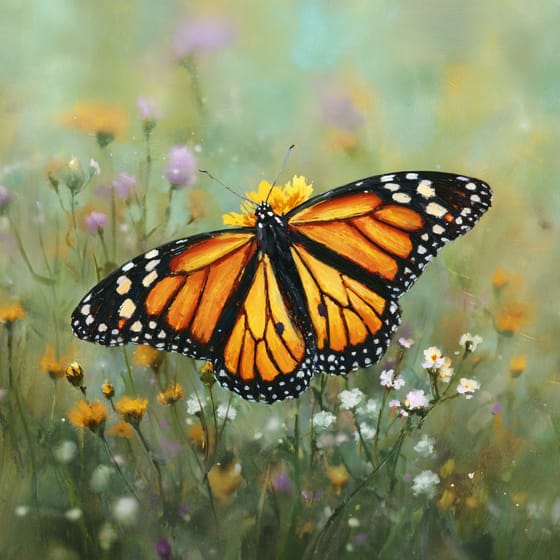
Danaus plexippus
Feeds on nectar, aids reproduction

Archilochus alexandri
Sips nectar from tube flowers
Furry describes animals possessing a dense covering of soft hair or fur.
Flowering plants are any plants that produce flowers as part of their reproductive cycle.
Summer blooming plants produce their flowers during the summer season, often providing vibrant color when many other plants have finished.
A tube flower has petals fused together at the base, forming a distinct tubular structure that typically holds nectar deep within.

Fragrant flowers emit a pleasant aroma, often to attract pollinators or for defense.

Colorful describes organisms or objects displaying a wide range of bright and distinct colors.

Describes plants that are particularly attractive and beneficial to a wide range of pollinating organisms.

This habitat trait indicates species that can coexist with humans in urban and suburban environments, utilizing man-made structures and green spaces.
No aliases listed yet.
Danger
1/5 · Very low
Always ask an adult before touching new plants.
The easiest way to identify Gregg's tube tongue is to use the Snappit nature identifier app.
15-60 cm
20-60 cm
1-2.5 cm
Late spring to fall
No
None
Perennial
Zoom in to split clusters and explore where this object has been snapped.

US
You might spot Pond Slider, Black-Bellied Whistling-Duck, and Brown Anole.
View guide →

Texas, US
You might spot Question Mark, Buttonbush, and Pomegranate.
View guide →

Texas, US
You might spot Christmas Cholla, Dakota Mock Vervain, and Honey Mesquite.
View guide →

Texas, US
You might spot African Lion, Giraffes, and Hippopotamus.
View guide →

Texas, US
You might spot Eastern Fox Squirrel, Duck, and American Robin.
View guide →

Texas, US
You might spot Duck, Egyptian Goose, and Black-Bellied Whistling-Duck.
View guide →
Take the discovery with you
Snap it with Snappit to identify it, learn what makes it special, and add the discovery to your collection.








.jpg&width=800)


_001.jpg&width=800)




