





Grey Field-speedwell
Veronica polita
The Grey Field-speedwell is a small plant with pretty blue flowers. It often grows in fields and gardens, making them look beautiful and colorful.
Habitat: Grasslands
The Grey Field-speedwell is a small, low-growing plant with creeping stems and soft, oval, greyish-green leaves. Its tiny, vivid blue-purple flowers have four petals, often with darker veins, and a white center, making it easily distinguishable.
Category
PlantsRarity
Common
Danger
1/5 · Very low
Snaps
6
Each tiny seed has a special oil packet called an elaiosome that ants love to carry away!
Its name "speedwell" might come from how quickly its delicate petals fall off!
Sometimes, Grey Field-speedwell flowers only last for a single day before fading.
The plant's scientific name, Veronica, is thought to honor Saint Veronica from Christian tradition.
Grey Field-speedwell can explosively launch its tiny seeds, helping them spread far from the parent plant for reproduction.
Grey Field-speedwell has stems that can grow roots wherever they touch soil, helping it quickly spread and colonize new ground.
Grey Field-speedwell can grow in many harsh, disturbed places, like cracks or compacted soil, to survive almost anywhere.
Apis mellifera
Collects nectar and pollen from flowers.
Bombus terrestris
Visits flowers for nectar, aiding pollination.

Helix aspersa
Snails munch on its tender leaves and stems.
Myzus persicae
Aphids suck sap from its stems and leaves.
Flowering plants are any plants that produce flowers as part of their reproductive cycle.
Ornamental plants are cultivated primarily for their aesthetic appeal, enhancing landscapes and gardens with their attractive foliage, flowers, or form.
Spring blooming plants produce their flowers during the spring season, often signifying the end of winter and the start of new growth.
Colorful describes organisms or objects displaying a wide range of bright and distinct colors.

Edible plants are those parts of a plant that are considered safe for human consumption.

Grassland habitats are terrestrial biomes dominated by grasses and herbaceous plants, supporting a variety of grazing animals.

Describes plants that are particularly attractive and beneficial to a wide range of pollinating organisms.

Pertaining to species that are significantly smaller than typical or average for their kind.

This habitat trait indicates species that can coexist with humans in urban and suburban environments, utilizing man-made structures and green spaces.
No aliases listed yet.
Danger
1/5 · Very low
Always check with an adult before touching or picking plants.
The easiest way to identify Grey Field-speedwell is to use the Snappit nature identifier app.
5-30 cm
10-50 cm
0.5-1 cm
March to July
Yes
None
Annual
Zoom in to split clusters and explore where this object has been snapped.

Missouri, US
You might spot Common Eastern Bumble Bee and Brown-Belted Bumble Bee.
View guide →
Kentucky, US
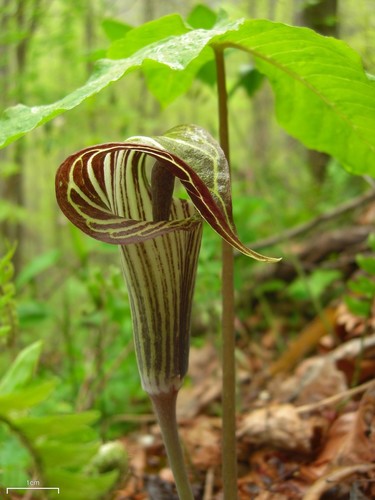
You might spot Jack-In-The-Pulpit and Prairie Trillium.
View guide →

Kansas, US
You might spot Panthera Pardus Orientalis, Snow Leopard, and African Lion.
View guide →

Kentucky, US
You might spot Fortune's Spindle, Amur Honeysuckle, and Osage-Orange.
View guide →

Illinois, US
You might spot Henbit Deadnettle, Metric Paper Wasp, and Dryad's Saddle.
View guide →
Take the discovery with you
Snap it with Snappit to identify it, learn what makes it special, and add the discovery to your collection.








.jpg&width=800)



_001.jpg&width=800)



