





hairy manzanita
Arctostaphylos columbiana
The hairy manzanita is a special shrub with beautiful, reddish-brown bark and shiny green leaves. It grows small, pinkish flowers that turn into tasty berries, making it a favorite for birds and other animals.
Habitat: Mountain regions
The hairy manzanita has reddish-brown, smooth bark that peels, and distinctive hairy stems and leaves. Its clusters of tiny, bell-shaped pink or white flowers ripen into bright red berries, standing out against its leathery, evergreen foliage.
Category
PlantsRarity
Common
Danger
1/5 · Very low
Snaps
Be the first to snap!
"Manzanita" means "little apple" in Spanish, referring to its small, apple-like berries!
Its bark constantly peels away in thin strips, revealing new, smoother, reddish layers underneath.
Native peoples traditionally ground the dried berries into a meal or made a refreshing cider drink.
This evergreen shrub can live for hundreds of years, becoming a grand, gnarled fixture in its habitat.
Hairy manzanita can resprout vigorously from its woody base after wildfires, helping it thrive in fire-prone landscapes.
Its fuzzy leaves and stems trap moisture and reduce water loss, allowing it to survive dry, arid conditions.
The thick, leathery leaves are angled to minimize direct sunlight, protecting the plant from intense solar radiation.
Apis mellifera
Collects nectar from its bell-shaped flowers.

Toxostoma redivivum
Feeds on its sweet, ripe berries in winter.
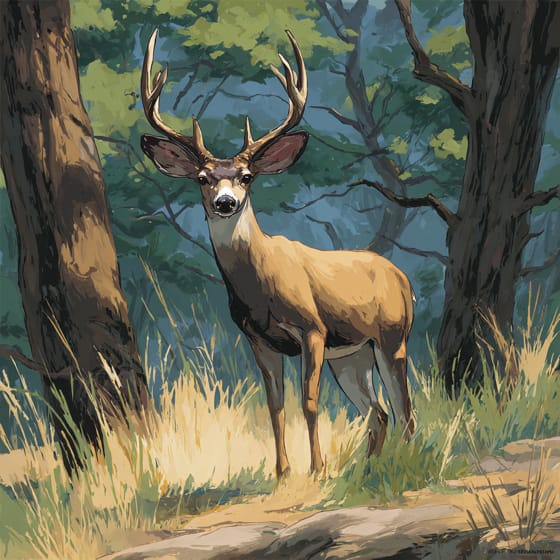
Odocoileus hemionus
Browses on its evergreen leaves and twigs.
.jpg&width=800)
Selasphorus rufus
Sips nectar from early blooming flowers.
Flowering plants are any plants that produce flowers as part of their reproductive cycle.
A shrub is a woody plant smaller than a tree, typically with multiple stems branching from or near the ground.
Evergreen plants retain their foliage throughout the year, never shedding all their leaves at once.
Fruit-bearing plants produce fruits, which are the mature ovaries of flowering plants containing seeds.

Drought-tolerant plants can survive and flourish in conditions with limited water availability.

Edible plants are those parts of a plant that are considered safe for human consumption.

Describes plants that are particularly attractive and beneficial to a wide range of pollinating organisms.

This habitat trait identifies species found in mountainous regions, characterized by high elevation, steep slopes, and varying climate zones.

This trait characterizes organisms with an exceptionally long lifespan compared to others of their kind.

Describes a species whose presence and role have a disproportionately large effect on its environment.
No aliases listed yet.
Danger
1/5 · Very low
Always look but don't touch the plants in nature. Some can be prickly or have berries that aren't safe to eat.
The easiest way to identify hairy manzanita is to use the Snappit nature identifier app.
100-500 cm
100-400 cm
0.5-0.7 cm
Winter-early spring
Yes
None
Perennial
Zoom in to split clusters and explore where this object has been snapped.
Recent snaps will appear here as new observations are added.
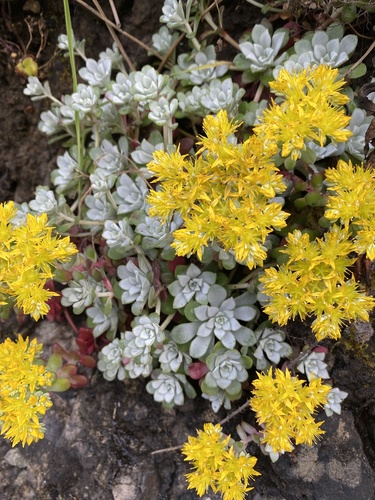
British Columbia, CA
You might spot Broad-Leaved Stonecrop and Littleleaf Silverback.
View guide →

British Columbia, CA
You might spot Canada Jay, Pink Mountainheath, and Yellow-Pine Chipmunk.
View guide →

British Columbia, CA
You might spot Western Rattlesnake Plantain and Fairy-Slipper.
View guide →
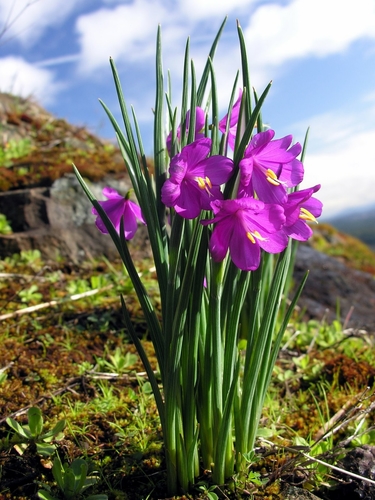
British Columbia, CA
You might spot Grasswidow and Broad-Leaved Stonecrop.
View guide →
British Columbia, CA
You might spot Broad-Leaved Stonecrop and Western Rattlesnake Plantain.
View guide →
Take the discovery with you
Snap it with Snappit to identify it, learn what makes it special, and add the discovery to your collection.








.jpg&width=800)



_001.jpg&width=800)

