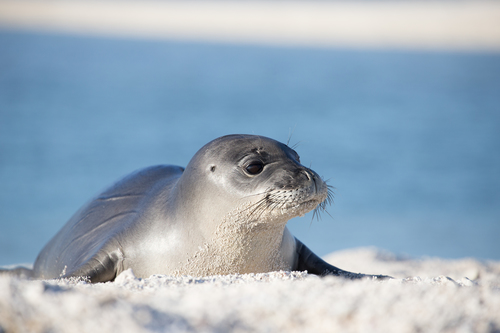


Hawaiian Monk Seal
neomonachus schauinslandi
The Hawaiian Monk Seal, known scientifically as Neomonachus schauinslandi, is one of the world's most critically endangered marine mammals and the only seal native to Hawaii. This fascinating pinniped plays a vital role in its unique island ecosystem. Often found basking on pristine, secluded beaches, these seals are primarily bottom-feeders, adept at navigating the complex coral reefs and ocean floor of the Hawaiian Archipelago in search of food. Their isolation in the remote Northwestern Hawaiian Islands has made them a symbol of marine conservation efforts, highlighting the delicate balance of life in this Pacific paradise and the urgent need to protect vulnerable species from human-induced threats.
Habitat: Hawaiian Monk Seals are primarily found in the warm, clear waters and isolated, sandy beaches of the Hawaiian Archipelago, particularly the remote Northwestern Hawaiian Islands.
Hawaiian Monk Seals possess a sleek, torpedo-shaped body, typically dark gray or brownish on their dorsal side, fading to a lighter, silvery-gray or yellowish-white on their belly. Pups are born with a thick, dark, woolly coat called lanugo, which they shed after a few weeks. Adults average 2.1 to 2.4 meters (7-8 feet) in length and can weigh between 170 to 270 kilograms (375-600 pounds). Their large, dark eyes and relatively small, flat head give them a somewhat 'hooded' appearance, which contributes to their common name.
Category
MammalsRarity
Common
Danger
1/5 · Very low
Snaps
6
Female Hawaiian Monk Seals return to their birth islands to give birth to their single pup, showing strong philopatry.
Hawaiian Monk Seal pups are born with a dark, woolly coat called lanugo, which they shed after about three to five weeks to reveal their adult fur.
The Hawaiian Monk Seal is one of only two remaining monk seal species in the world, the other being the critically endangered Mediterranean Monk Seal.
They are named 'monk' seals due to their solitary nature and the folds of skin around their neck that resemble a monk's cowl.
Hawaiian Monk Seals can dive to impressive depths, sometimes exceeding 500 meters (1,640 feet), to hunt for their prey on the ocean floor, utilizing their excellent eyesight and whiskers to locate food in low light conditions.
Unlike most other seals that gradually shed their fur, Hawaiian Monk Seals undergo a 'catastrophic molt' once a year, shedding both their fur and outer layer of skin in large patches while hauled out on land.
These seals possess specialized physiological adaptations, including a high blood volume and efficient oxygen storage, allowing them to hold their breath for up to 20 minutes during dives to pursue prey.
Hawaiian Monk Seals are opportunistic bottom-feeders, primarily preying on a variety of marine organisms found on coral reefs and the seafloor.
Age differences: Younger seals tend to eat smaller and shallower-water prey, gradually shifting to larger and deeper-water food sources as they mature and develop stronger diving capabilities.
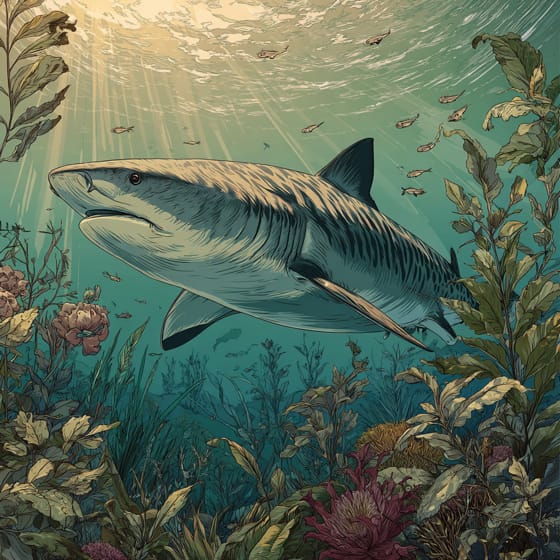
Galeocerdo cuvier
Major natural predator of adult and juvenile seals.
Octopus cyanea
A primary prey item, typically hunted on the seafloor.
Muraenidae
These bottom-dwelling fish are a significant part of the monk seal's diet.

Homo sapiens
Humans pose threats through marine debris, fishing gear entanglement, and habitat encroachment.
No trait badges are assigned for this object yet.
No aliases listed yet.
Collections for this object will appear here as more themes are added.
Danger
1/5 · Very low
No special safety notes yet.
The easiest way to identify Hawaiian Monk Seal is to use the Snappit nature identifier app.
210-240 cm
170-270 kg
25-30 years
25 km/h
Hawaiian Monk Seals are opportunistic bottom-feeders, primarily preying on a variety of marine organisms found on coral reefs and the seafloor.
Hawaiian Monk Seals are primarily found in the warm, clear waters and isolated, sandy beaches of the Hawaiian Archipelago, particularly the remote Northwestern Hawaiian Islands.
Foraging, Pursuit
Zoom in to split clusters and explore where this object has been snapped.

Hawaii, US
You might spot Brown Anole, Gold Dust Day Gecko, and Red-Crested Cardinal.
View guide →

US
You might spot Brown Anole, Zebra Dove, and Red-Crested Cardinal.
View guide →
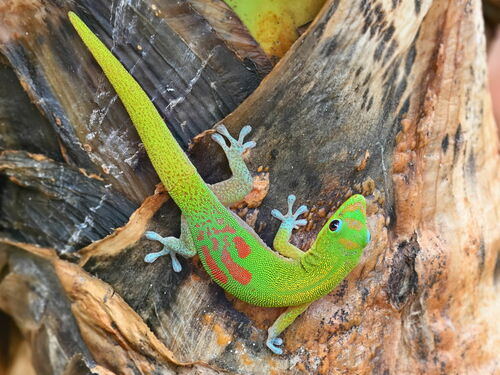
Hawaii, US
You might spot Gold Dust Day Gecko, Sea Turtle, and Brown Anole.
View guide →

Hawaii, US
You might spot Hawaiian Monk Seal, Seahorse, and Box Jellyfish.
View guide →
Hawaii, US
You might spot Hawaiian Monk Seal, Ant, and Seahorse.
View guide →
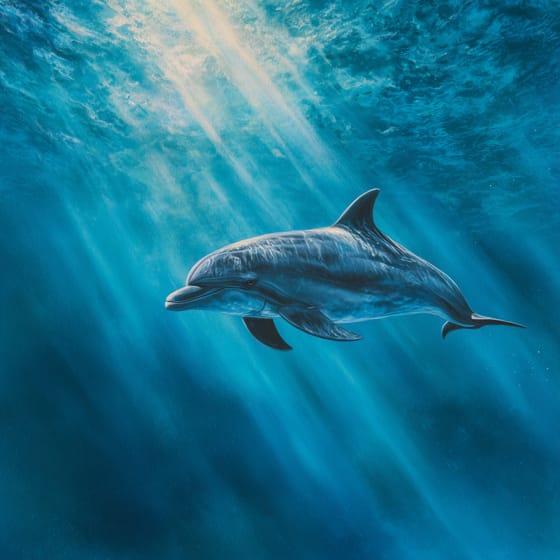
Hawaii, US
You might spot Bottlenose Dolphin, Sea Lion, and Sea Turtle.
View guide →
Take the discovery with you
Snap it with Snappit to identify it, learn what makes it special, and add the discovery to your collection.








.jpg&width=800)


.JPG&width=800)



.jpg&width=800)
