Ant

Discover the wonders of the Pacific at the Waikiki Aquarium, the second oldest public aquarium in the United States, nestled along the picturesque Waikiki shoreline.
Discover the wonders of the Pacific at the Waikiki Aquarium, the second oldest public aquarium in the United States, nestled along the picturesque Waikiki shoreline. Founded in 1904, this compact yet captivating "small gem of the Pacific" is home to over 3,500 marine animals from 500 species, alongside vibrant marine plants, making it a crucial center for the understanding, appreciation, and conservation of Hawaii's unique aquatic ecosystems.
Wander through 13 distinct display areas, including the impressive Living Reef exhibit, showcasing over 100 species of fish and 200 types of coral in a 60,000-gallon saltwater tank. Marvel at the rare and endangered Hawaiian Monk Seals, Maka onaona and Ho'ailona, in their dedicated habitat, or witness the iridescent beauty of Giant Clams, some specimens over three feet long. The Amazing Adaptations gallery introduces visitors to exotic seahorses, seadragons, and pipefishes, while the Edge of the Reef Touch Pool offers a hands-on experience with sea stars, anemones, and sea cucumbers. Don't miss the mesmerizing Jellyfish Gallery, where graceful moon jellies and upside-down jellyfish captivate with their ethereal movements.
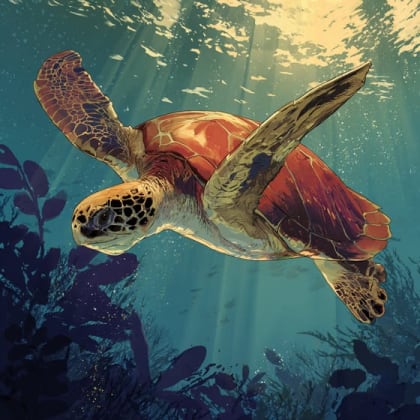
More than just an exhibit space, the Waikiki Aquarium is a dynamic hub for marine research and conservation, designated a Coastal Ecosystem Learning Center. It actively engages visitors of all ages with interactive programs, daily animal feedings, and educational initiatives focused on protecting marine life, including Hawaiian Green Sea Turtles and its pioneering coral propagation program. A visit here offers not only stunning photographic opportunities but also a deeper connection to the health and beauty of the ocean. Enhance your adventure: download the Snappit app to identify the local species you encounter.
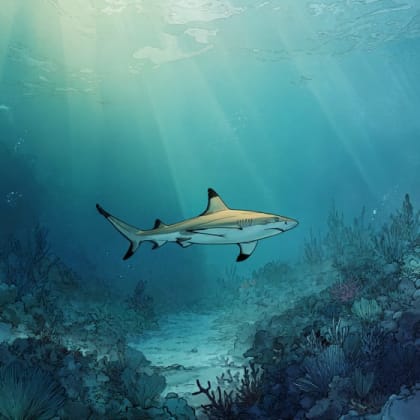
The Waikiki Aquarium boasts a rich history, established on March 19, 1904, by the Honolulu Rapid Transit and Land Company. Initially known as the Honolulu Aquarium, its primary purpose was to encourage trolley riders to travel to the end of the line at Queen Kapiʻolani Park by showcasing the mesmerizing reef life of the islands. Since 1919, it has been an institution of the University of Hawaiʻi at Mānoa, evolving into a globally recognized center for conservation, education, and marine research. It holds the distinction of being the second-oldest continuously operating public aquarium in the United States. Over its long history, the aquarium has achieved several "firsts," including the first displays of living Pacific corals in the U.S. in 1978 and the first in the world to produce viable Nautilus embryos. Notable exhibits like the Giant Clam display in 1979 and the blacktip reef sharks around 1957 also marked significant milestones in its development. In 1955, the Aquarium relocated to its present 2.35-acre site, continuing its mission to inspire marine appreciation and conservation.
Observe a wide array of Pacific marine life, participate in interactive educational programs, witness daily animal feedings (including sharks, moray eels, and jellyfish), and get hands-on at the touch pool.
Check the aquarium's calendar for special monthly events like "Aquarium After Dark," which offers a unique nocturnal viewing experience. Be aware of potential closures on holidays like Christmas Day and Honolulu Marathon Day.
The Waikiki Aquarium is fully wheelchair accessible, with smooth pathways throughout its exhibits.
Don't miss the endangered Hawaiian Monk Seals, the vibrant Living Reef, the awe-inspiring Giant Clams, the captivating seahorses and seadragons in the Amazing Adaptations gallery, the interactive Edge of the Reef Touch Pool, and the ethereal Jellyfish Gallery.
Each card links to a full Explore page with photos, traits, and fun facts.
Start with the big picture, then zoom in to explore individual wildlife observations around this place.
Arrive early or late
** To avoid larger crowds, especially families, consider visiting right after the 9:00 AM opening or closer to the 4:30 PM closing time.
Check event schedules
Consult the aquarium's website for daily feeding times and educational programs, which offer engaging insights into the animals.
Engage with the Touch Pool
Dedicate time to the Edge of the Reef Touch Pool for a unique hands-on interaction with marine invertebrates like sea stars and sea cucumbers.
Explore outdoor exhibits
Don't miss the outdoor habitats, including the Hawaiian Monk Seals and the vibrantly colored Giant Clams.
Combine with nearby attractions
The aquarium is conveniently located near Kapiolani Park and the Honolulu Zoo, making it easy to create a full day of activities in the area.
Consider walking or public transport
Located centrally in Waikiki, many hotels are within walking distance, and public buses or trolleys are convenient options. Parking availability may vary.
Jun 5, 2026
Photo attribution
(c) ramonsita625, some rights reserved (CC BY)
License: CC BY 4.0 ↗
Image may be shown cropped inside the card frame.
Jun 5, 2026
Photo attribution
(c) Damien Wallace, some rights reserved (CC BY)
License: CC BY 4.0 ↗
Image may be shown cropped inside the card frame.
Jun 5, 2026
Photo attribution
(c) Damien Wallace, some rights reserved (CC BY)
License: CC BY 4.0 ↗
Image may be shown cropped inside the card frame.
Jun 6, 2026
Jun 6, 2026

Ohio, US
You might spot Sand Tiger Shark, Nurse Shark, and Cow.
View guide →

California, US
You might spot Orca, Bottlenose Dolphin, and Beluga Whale.
View guide →

Illinois, US
You might spot Beluga Whale, Pacific White-Sided Dolphin, and Sea Otter.
View guide →

Texas, US
You might spot Brown-Throated Three-Toed Sloth, Ant, and Penguin.
View guide →
Take the discovery with you
Identify the wildlife you spot, learn as you go, and keep a collection of the adventure.