.jpg&width=800)





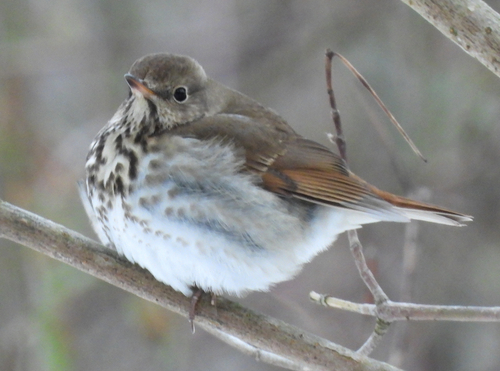
Hermit Thrush
Catharus guttatus
The Hermit Thrush is a small, brown bird known for its sweet song. It loves to hop around on the forest floor, searching for tasty insects and berries to eat.
Habitat: Forests
The Hermit Thrush is a medium-sized bird with a warm brown back and a noticeably reddish-brown tail, which sets it apart from other thrushes. It has a white chest heavily marked with distinct dark spots, and a pale eye-ring.
Category
BirdsRarity
Common
Danger
1/5 · Very low
Snaps
11
Hermit Thrushes are tough birds, often staying in cold areas later than other thrushes!
Its amazing song is actually two notes sung at once, creating a magical harmony!
They are one of the first migratory birds to return north each spring!
You can often see it flicking its tail up and down while searching for tasty treats!
Hermit Thrush has excellent hearing and vision that helps them spot hidden insects and berries on the forest floor.
Hermit Thrush can fly thousands of kilometers each year because of its strong wing muscles, helping it find warmer climates.
They mostly eat insects and berries they find on the forest floor.
Age differences: Adults eat more berries and fruits in fall and winter, while insects are dominant in spring and summer.
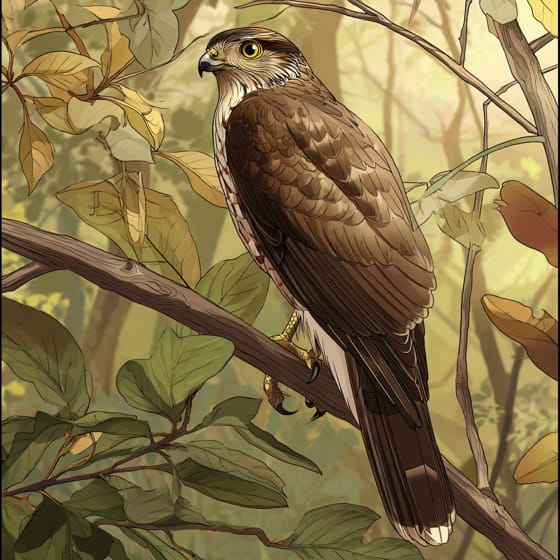
Accipiter cooperii
Common predator in their breeding and wintering grounds.
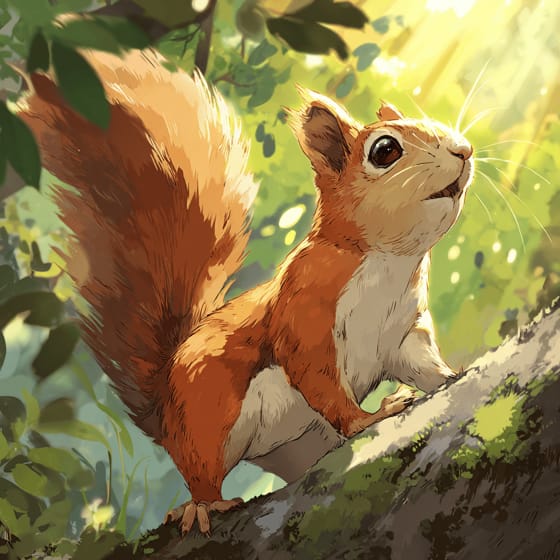
Sciurus carolinensis
May raid nests for eggs and young nestlings in forest habitats.
Vaccinium corymbosum
Feeds on berries, especially during migration and winter.
Dendroctonus ponderosae
Forages for ground insects and larvae, helping control pest populations.
Feathered describes animals, primarily birds, possessing a covering of feathers.
Marked with spots or patches of a different color.
Solitary animals live alone for most of their lives, only interacting with others for mating or parental care.
Singing animals produce complex vocalizations, often for purposes of attracting mates, defending territory, or communicating within their species.

Camouflaged describes organisms that possess coloring or patterns that allow them to blend into their environment.

This trait identifies organisms whose diet primarily consists of insects and other small invertebrates.

Forest habitats are terrestrial environments dominated by dense tree cover, supporting a high diversity of plant and animal life.

Diurnal animals are primarily active during daylight hours, typically resting or sleeping at night.
No aliases listed yet.
Danger
1/5 · Very low
Enjoy watching birds from a distance and don't try to catch them.
The easiest way to identify Hermit Thrush is to use the Snappit nature identifier app.
15-18 cm
25-30 cm
0.018-0.035 kg
2-10 years
35 km/h
They mostly eat insects and berries they find on the forest floor.
Forests
Zoom in to split clusters and explore where this object has been snapped.
Jan 23, 2025
Gifford State ForestPhoto attribution
(c) Anna Hess, some rights reserved (CC BY)
License: CC BY 4.0 ↗
Image may be shown cropped inside the card frame.

California, US
You might spot Sequoia, California Newt, and Pacific Dogwood.
View guide →

New York, US
You might spot American Robin, Pond Slider, and Northern Cardinal.
View guide →

New York, US
You might spot American Toad and Intermediate Wood Fern.
View guide →

New York, US
You might spot White Snakeroot, Rock Pigeon, and Eastern Gray Squirrel.
View guide →

North Carolina, US
You might spot Northern Cardinal, Carolina Wren, and Tufted Titmouse.
View guide →

New York, US
You might spot Rock Pigeon, American Robin, and Spotted Lanternfly.
View guide →
Take the discovery with you
Snap it with Snappit to identify it, learn what makes it special, and add the discovery to your collection.




.jpg&width=800)








